Micro1 VS HyrinG
Micro1 vs Hyring:
A Detailed Comparison
Written on: 18 Aug 2025
Last updated: 21 Aug 2025

Written by
Team Hyring

Fact Checked by
Adithyan RK
Table of Contents
- An Overview
- Why Hiring Teams Migrate From Micro1 To Hyring
- Micro1 vs Hyring - Metrics Comparison
- Ecosystem: Products & Hiring Workflow
- Micro1 vs Hyring: A Snapshot
- How Hyring Outperforms Micro1
- Conversational AI Interviewing
- Candidate Authenticity & Proctoring
- Scoring, Fairness & Bias Reduction
- Assessment Types & Role Coverage
- Scheduling & Automation
- Reporting & Hiring Analytics
- Global Hiring & Accessibility
- The Human Touch: Micro1 vs Hyring
- UI UX Experience
- Recruiter Experience
- Candidate Experience
- Security & Compliance
- Cost & Pricing Structure: The Bottomline
- Client Testimonials
- Summary: Which is the Best AI Interviewer?
- Frequently Asked Questions
An Overview
When recruiters are considering alternatives to Micro1, they may be looking for more targeted screening (video, phone, coding), more in-depth anti-cheating that is built into the app itself, and ATS integration that allows them to easily advance candidates to interview/hire decisions.
Hyring’s product area is recruitment workflows (screen → assess → decide), while Micro1’s is the human data layer and sourcing and vetting expert talent (using Zara).
Why Hiring Teams Migrate From Micro1 To Hyring
Micro1 is marketed as a human data and intelligence platform (Data Engine, Zara, Intelligence) aimed at enterprises and labs.
This makes it extremely strong at sourcing and expert-level screening, but less clear on recruiter-facing functionality that many high-volume hiring teams need out of the box. These include - documented remote proctoring guidelines, role-based scoring templates, public pricing, and ready-made ATS connectors.
This mismatch in requirements is often why teams whose core problem is running hiring workflows ultimately choose Hyring.
Micro1 vs Hyring - Metrics Comparison


Ratings change over time. Review live pages for the latest updates.
Ecosystem: Products & Hiring Workflow
This section outlines how Hyring and Micro1 structure their product ecosystems and how candidates move through each platform's hiring and vetting workflow, based on publicly available product information from their websites.
Hyring Review
Product Ecosystem
Hyring’s ecosystem is built around end-to-end recruiting and screening workflows. Its core products and modules include:
AI Video Interviewer
Asynchronous and live two-way video interviews are conducted with the video interview software , which also offers dynamic follow-ups.
AI Phone Screener
AI Coding Interviewer
AI Resume Screener
English Proficiency Test

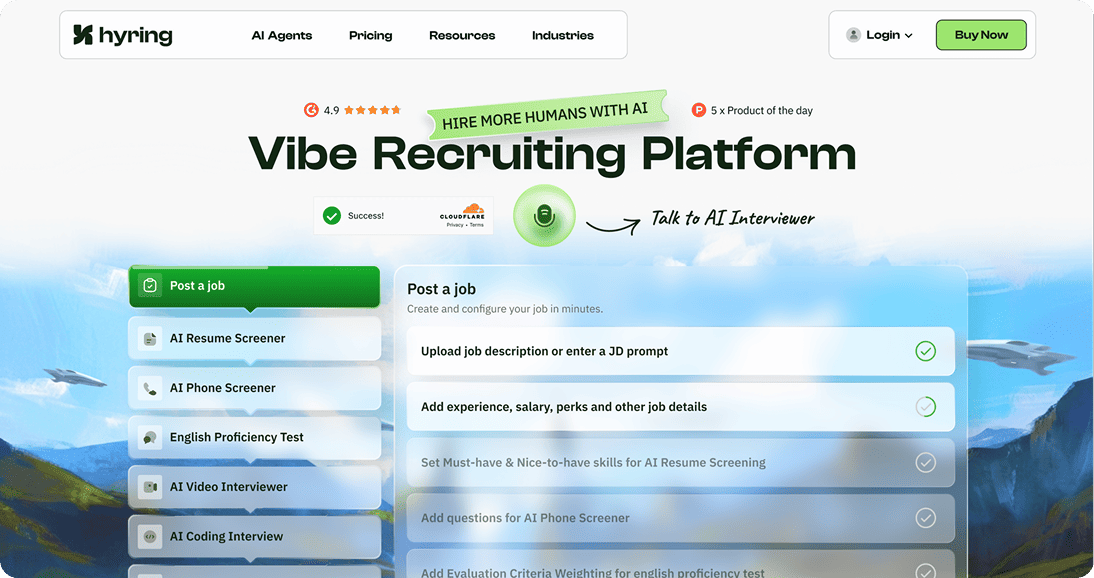
Together, these products form a unified screening-to-hire system focused on operational recruiting teams.
Brief
Hyring is an AI interviewing platform designed for recruiters who need to hire quickly without sacrificing judgment or control. On review platforms such as G2 and Capterra, users often discuss how Hyring cuts down on screening work in the early stages of hiring and helps recruiters identify better candidates earlier.
PROS
- Cuts early-stage screening time
- Consistent, structured interviews
- Visible interview integrity signals
- Clear summaries for hiring managers
- Easy to roll out for recruiters
CONS
- Less useful for very small teams
- Best value at moderate to high volume
- Not a replacement for an ATS
TAKEAWAY
Hyring is commonly seen as a practical, dependable tool for larger teams and MNCs hiring at scale who want speed, structure, and transparency without removing humans from the decision-making process.
Micro1 Review
Product Ecosystem
Micro1’s ecosystem is centered on sourcing, vetting, and managing expert talent and human data for enterprise and research use cases. Its main products and components include:
Zara (AI Recruiter)
AI agent for sourcing, interviewing, and qualifying experts
Human Data Engine
Talent Marketplace & Network
Enterprise Integration Layer
Program Management Tools
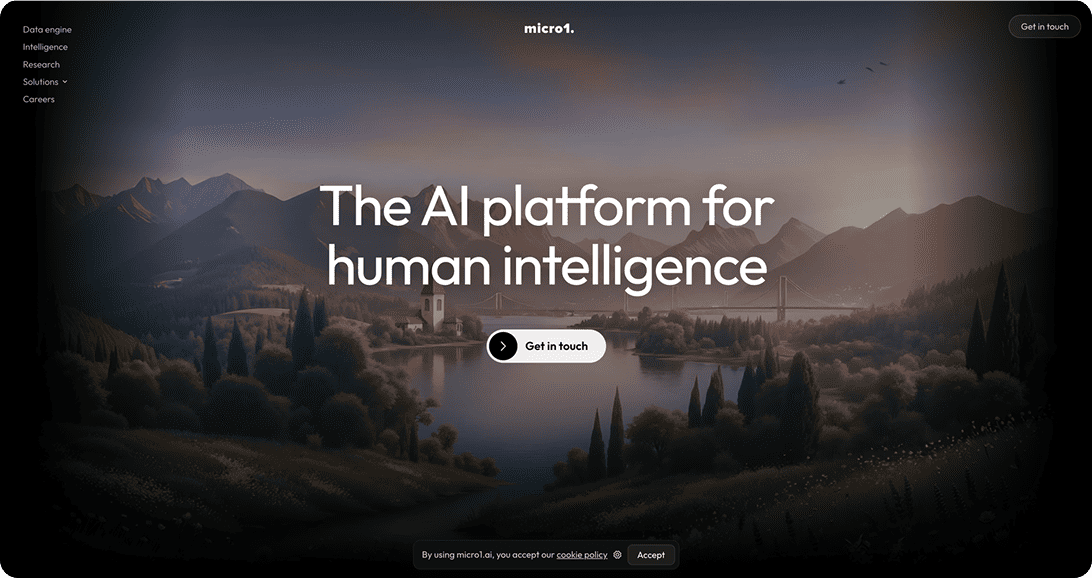
These products are designed primarily for enterprise AI, ML, and data operations rather than traditional hiring teams.
Brief
Micro1 is an AI-powered platform that concentrates on sourcing and screening expert talent, with its AI recruiter Zara frequently mentioned in reviews. The feedback on platforms such as Capterra and Trustpilot is generally centered on the candidate experience and the platform’s capability to engage expert contributors in a relaxed and conversational manner.
PROS
- Friendly interview experience
- Comfortable for candidates
- Strong for niche expert vetting
- Built for long-running programs
CONS
- Less recruiter-focused
- Limited hiring workflow signals
- Slower fit for fast hiring cycles
TAKEAWAY
Micro1 is well regarded for expert vetting and candidate engagement, but it aligns more closely with expert programs than with the realities of traditional recruiting pipelines and workflows.
Bottom Line
Hyring's ecosystem is built around modular recruiting tools that support high-volume and role-based hiring from screening to handoff.
Micro1's ecosystem is built around expert sourcing, validation, and human data management for enterprise and research programs.
Hyring excels at: Recruiter-driven screening, assessment integrity, and fast hiring decisions

Micro1 excels at: Long-term expert programs, data quality assurance, and enterprise AI operations
Both ecosystems are mature, but they serve fundamentally different workflow priorities.
Micro1 vs Hyring: A Snapshot
Feature / Capability
Micro1
Conversational AI interviewing (dynamic, two-way)
Dynamic follow-up questions
Not fully documented
Candidate authenticity & remote proctoring
Liveness Checks & Proctoring
Coding & role-based assessments
Limited capacity
Language & communication testing
No public data
Automated scheduling/calendar sync
Enterprise-oriented
Hiring analytics & reports
ATS / HRIS integrations & public API
SOC2 & ISO 27001 enterprise security
Only SOC2
Custom branding & candidate experience
Likely Enterprise Only
Accessibility & global support
No public data
Support & onboarding (SLA, Account Manager, training)
As audited on 30th Jan 2026.
How Hyring Outperforms Micro1
Across core hiring workflows, which are screening, assessment integrity, recruiter efficiency, and ATS handoff, Hyring is the stronger platform for recruiting teams.
Conversational AI Interviewing

Hyring
Two-way video interviews + phone interviews with dynamic follow-ups that adjust to candidate responses, scoring that goes beyond keywords (speech patterns, content depth, role fit). This provides quicker shortlists for high-volume positions where structured conversational screening is important.

Micro1
Zara is an AI recruiter that specializes in sourcing and vetting subject matter experts. Micro1 is capable of qualifying experts at scale, but the publicly available documentation stresses sourcing & vetting over the recruiter product for high-volume conversational subject-matter interviewing.
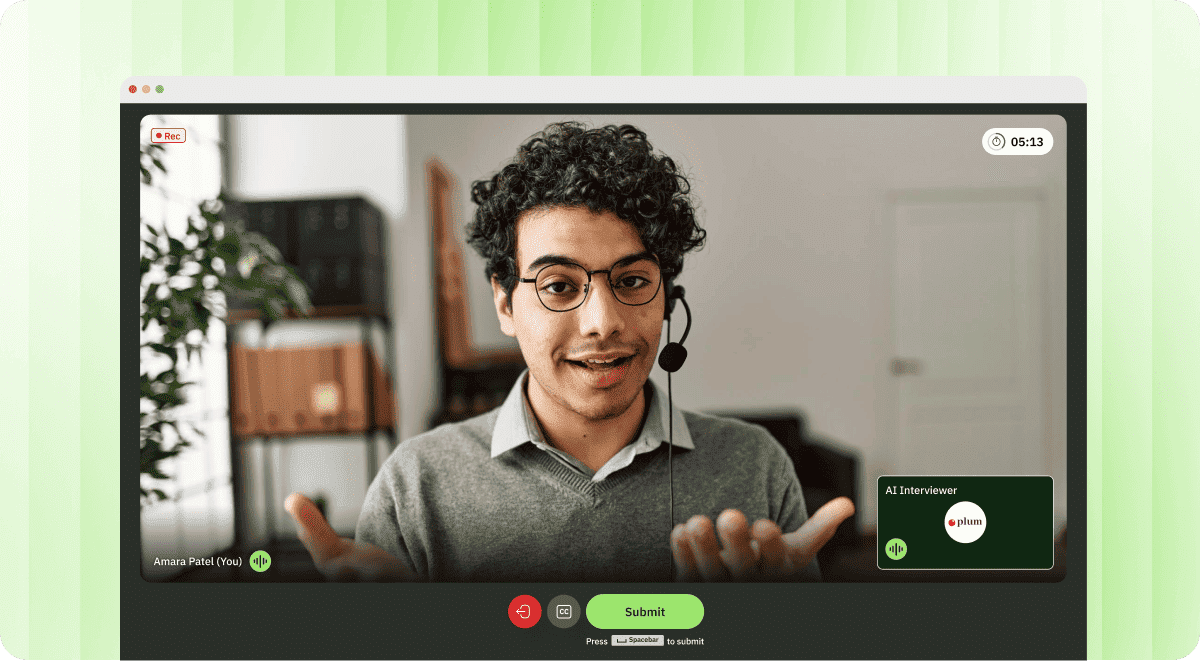

If the recruiter's main requirement is high-volume, role-specific video screening with documented proctoring, Hyring is more visible regarding product fit.
Candidate Authenticity & Proctoring
Hyring
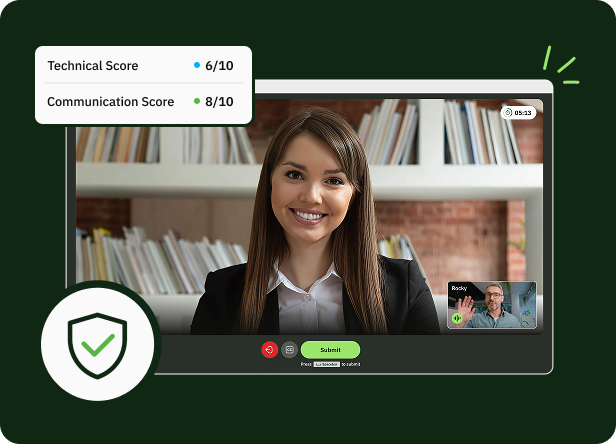
Hyring provides specific proctoring events (tab change, external monitor, face out of view, multiple faces/voices, plagiarism detection) and shows how these events are represented in the candidate reports, allowing recruiters to focus on and manually assess challenging interviews.
This makes the process more honest while still providing a decent candidate experience. It considers candidate authenticity as a first-class signal with clear proctoring signals represented directly in the recruiter reports.
Micro1
Micro1 uses Ava, a multimodal proctoring system that monitors for cheating indicators like including tab switching, external monitors, overlay detection, face/voice liveness checks, and keystroke patterns.
However, Micro1's anti-cheating approach is embedded within their broader expert-vetting and human-in-the-loop workflows, rather than designed as a discrete recruiter-facing proctoring dashboard. The platform doesn't necessarily highlight individual proctoring events, like Hyring does.
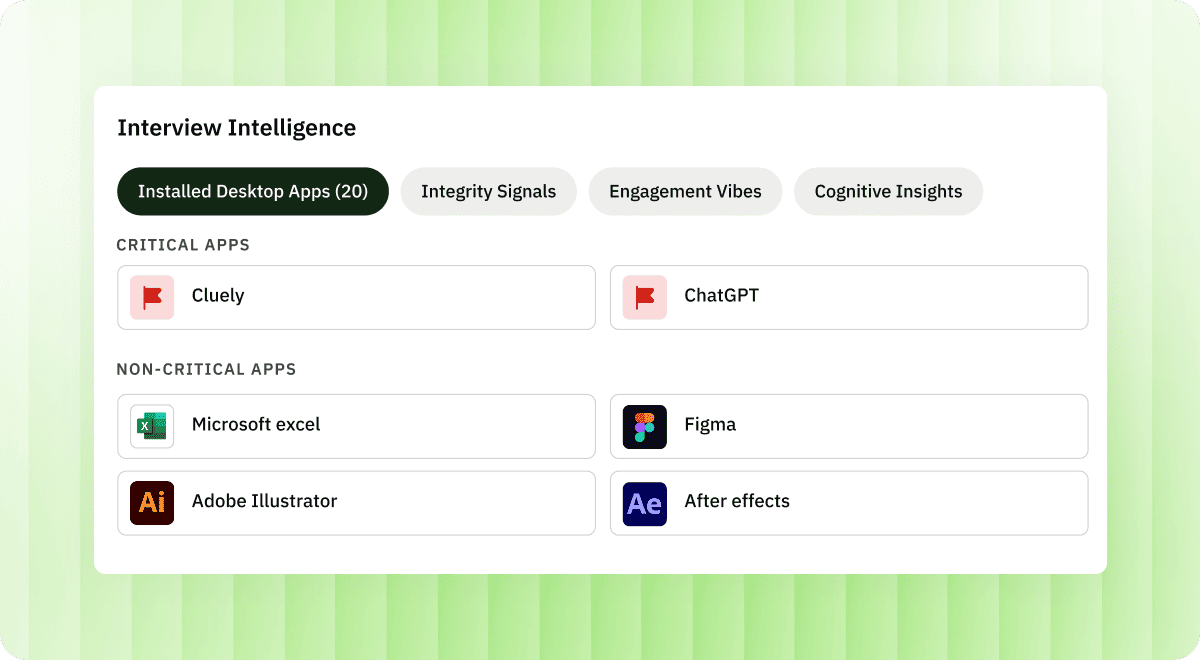
Both platforms reflect different priorities. Hyring's proctoring is built for recruiter workflows with clear integrity signals seen in their reports. Micro1's Ava system provides equally comprehensive technical detection, but operates within a broader human-expert-review context where proctoring is one input among many.
For teams that need transparent, interview-level proctoring data tailored to high-volume screening, Hyring is the clearer choice.
Scoring, Fairness & Bias Reduction
Hyring
Hyring stresses the importance of structured scoring with human override, traceable score explanations (transcripts, competency-by-competency ratings), and bias mitigation controls via weighted questions. These are described in product blogs and help articles.
Micro1
Micro1's platform focuses on evaluating expert reliability and data quality, whereas Hyring's scoring framework is designed specifically for structured, role-based hiring decisions at scale.
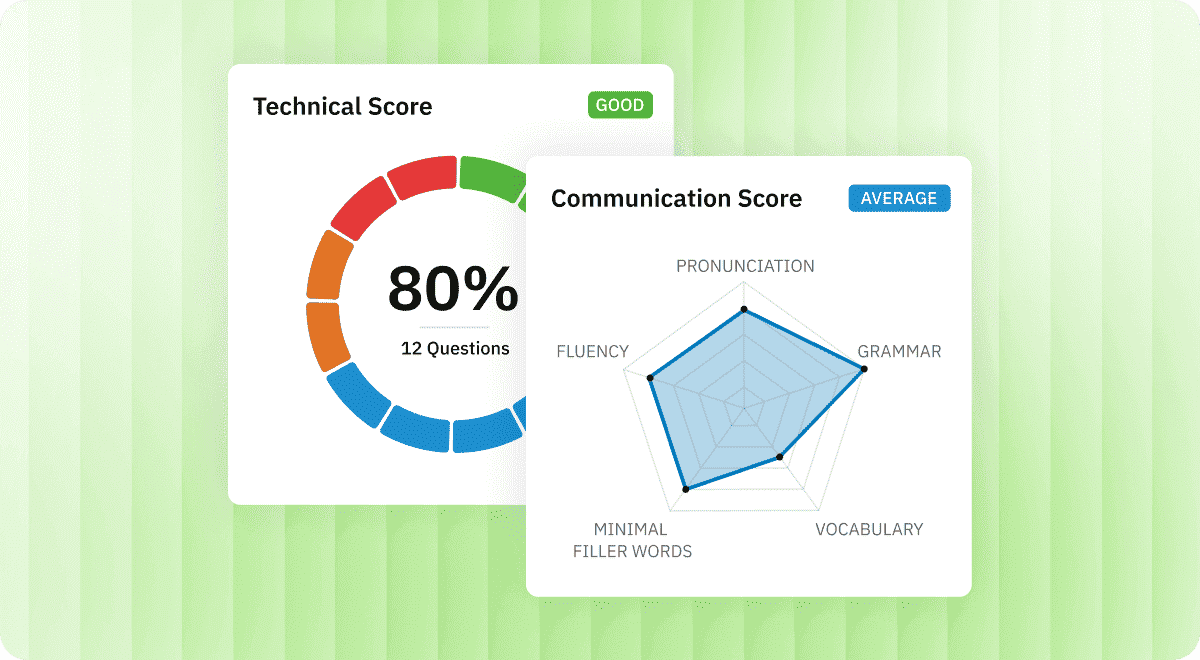
For recruiters, Hyring is materially better suited to handle biases and score better
Assessment Types & Role Coverage
Hyring
Assists in developer (coding interview), customer-facing (language & communication test), and operational (scenario/situation interview) positions, with templates for entry → senior level.
Micro1
If you require custom expert screening for model training or niche skill sets, Micro1's Zara and Data Engine are intended for this purpose.
Micro1 is optimized for vetting specialized domain experts, while Hyring provides standardized assessment modules designed for common hiring roles such as developers, customer support, sales, and operations.
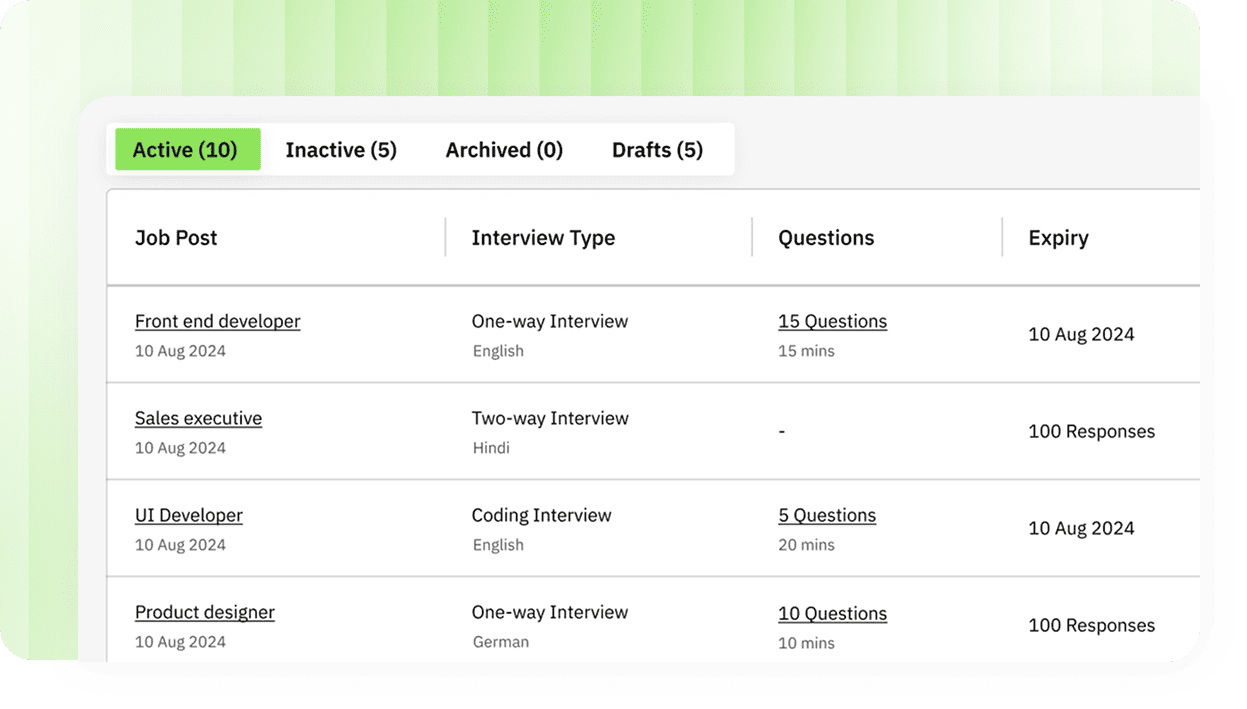
Overall, considering the number of available assessment modes, Hyring offers a better alternative to Micro1.
Scheduling & Automation
Hyring
It has built-in scheduling automation + API to push/pull candidates and results into ATS workflows, and bulk invite/reminder features for high-volume campaigns.
Micro1
Enterprise implementations may include scheduling. It is seen that they prioritize sourcing and data pipelines rather than recruiter scheduling workflows.
Micro1's scheduling capabilities are typically delivered as part of broader enterprise deployments.
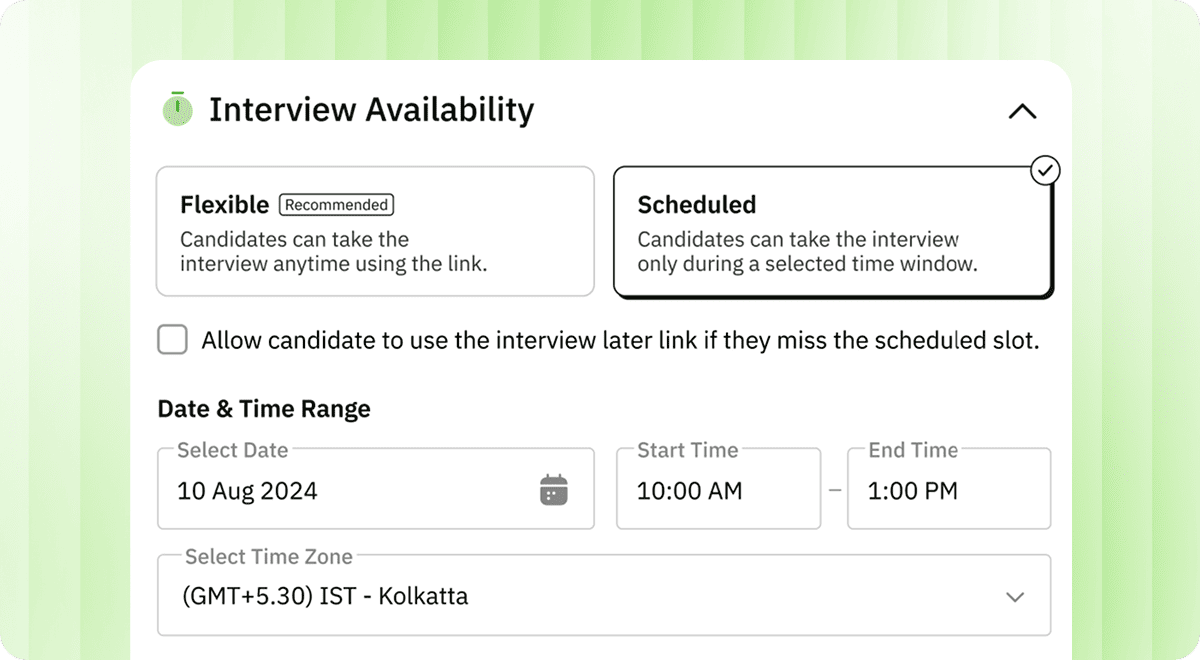
For wider options on scheduling and automation, Hyring remains more decisive and offers a wide variety of options.
Reporting & Hiring Analytics
Both have surface analytics. Hyring's analytics functionality is adapted for candidate assessment, scoring for roles, or assessing incidents of proctoring, while Micro1's analytics functionality is adapted for talent performance data that can be used for assessing the caliber of the annotators or experts, as well as data reliability (useful if you're constructing model training data pipelines).
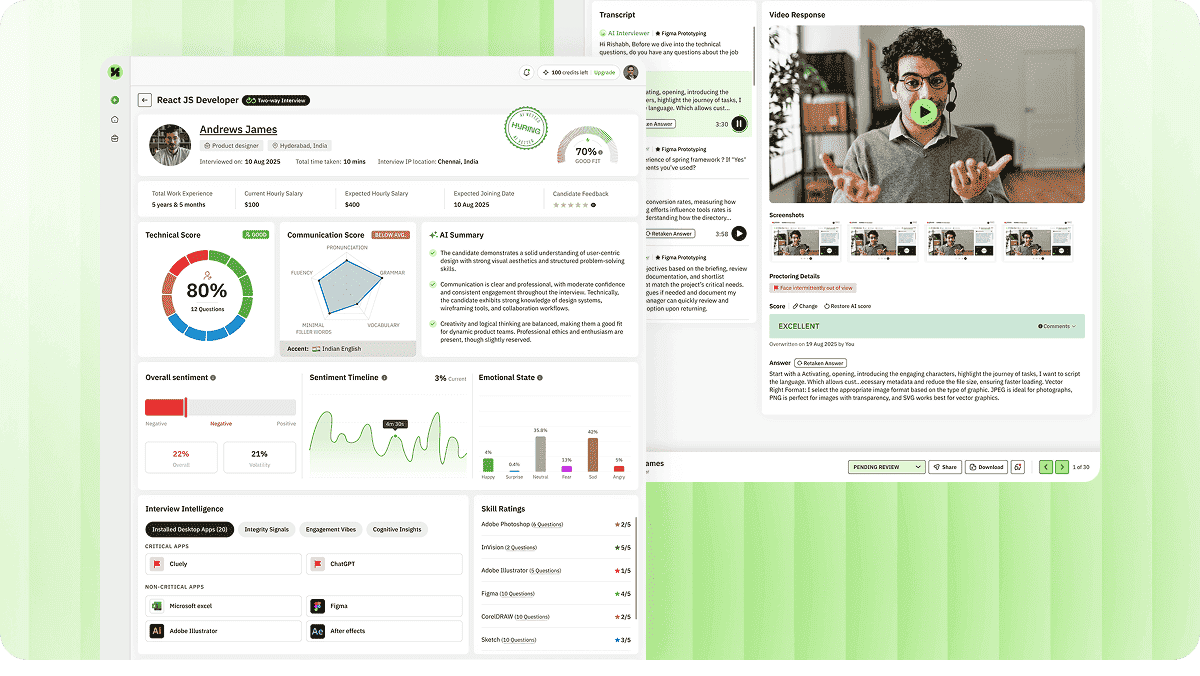
If one would prefer quality recruitment analytics dashboards, Hyring becomes the obvious choice among Micro1 alternatives.
Global Hiring & Accessibility
Hyring
Hyring is noted for multilingual interviews and mobile-optimized candidate flows for global recruitment teams and offers a more inclusive option.
Micro1
Micro1 has a global presence and is mainly engaged in enterprise data operations and expert verification, and is not particularly linked to language-specific candidate screening processes.

Considering the equal spread of both platforms globally, this would be a tie.
The Human Touch: Micro1 vs Hyring
Hyring
Hyring involves a lot more human handover (assessment of flagged proctoring incidents, human override in scoring, follow-up of interviews, and views by the hiring manager to guide final decisions). These human steps are clearly indicated and is aimed at de-robotizing the entire process so that it is always in control of human decisions.
Micro1
Zara of Micro1, is automating sourcing and vetting, but the workflows for the enterprise would normally include human assessments of the vetted candidates, particularly for experts.
The integration points would differ - Hyring is centered on handing off for recruiter assessment, whereas Micro1 is geared toward model/data curation/expert selection workflows of the enterprise.
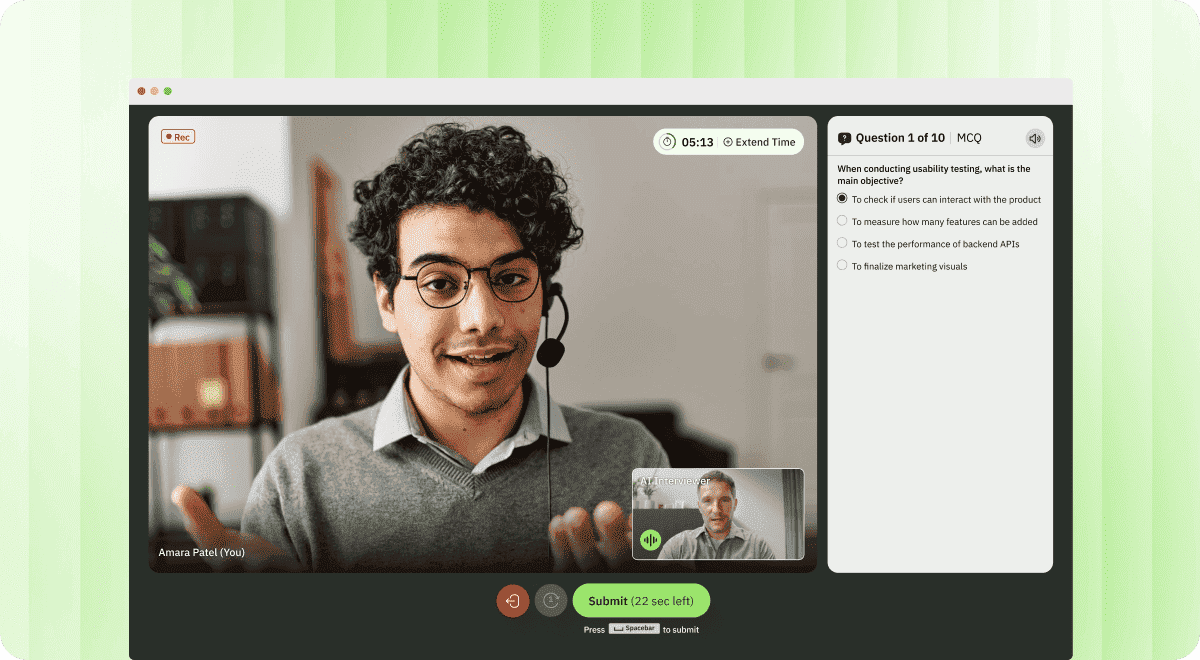
Hiring decisions carry legal, ethical, and reputational consequences and are intentionally designed to keep humans in control at critical decision points, with AI supporting, not replacing, the recruiter's judgment.
This philosophy aligns more closely with how most organizations want to hire, making Hyring the more trusted choice for real-world recruitment.
UI UX Experience
Recruiter Experience
Hyring
The software application has a recruiter dashboard, templates, and a very short learning curve for building interview flows (demo video + annotated screenshots recommended on the live page). Product documents and help centers make common tasks (create interview → launch → review) much more easily discoverable and reliable.
Micro1
It includes dashboards for data and model evaluation, plus Zara’s recruiting automation. One can expect a longer integration & onboarding process for enterprise customers - Micro1’s recruiter experience is designed for enterprise work and data operations.
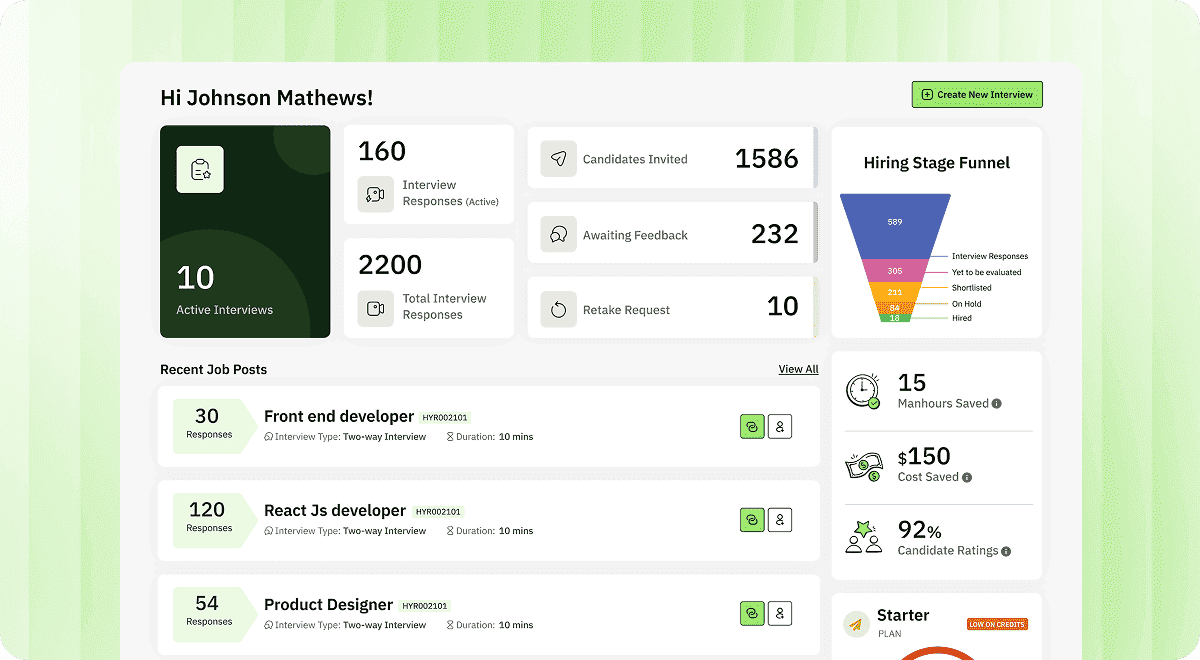
Hyring’s user interface is more intuitive, interactive and aesthetically pleasing to use when compared to Micro1.
Candidate Experience
Hyring
Hyring designs both asynchronous and live two-way experiences with proctoring that tries to balance fraud detection and candidate comfort - documentation lists the features used so recruiters can calibrate tolerances.
Micro1
Micro1's candidate experience is less publicly documented. As an enterprise platform, it is frequently integrated into bespoke flows for hiring expert contributors.
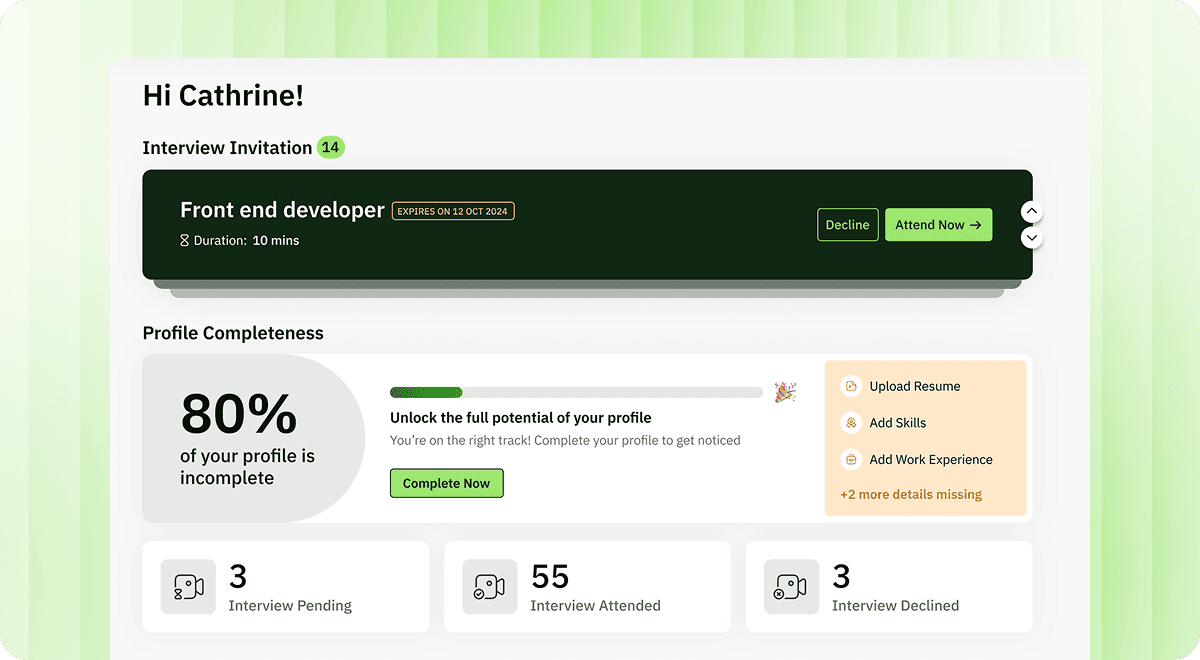
In practice, this is why recruiters ramp faster and rely more heavily on Hyring, making it the better choice as an alternative to Micro1.
Security & Compliance
Data Protection
Both companies are enterprise compliant. Hyring marks enterprise-grade security on use cases and provides help center articles explaining data handling.
Micro1 publicly displays SOC2 Type II compliance and presents enterprise controls for data handling. Evaluate any vendor's data residency, encryption-at-rest/in-transit, and access control with your security team.
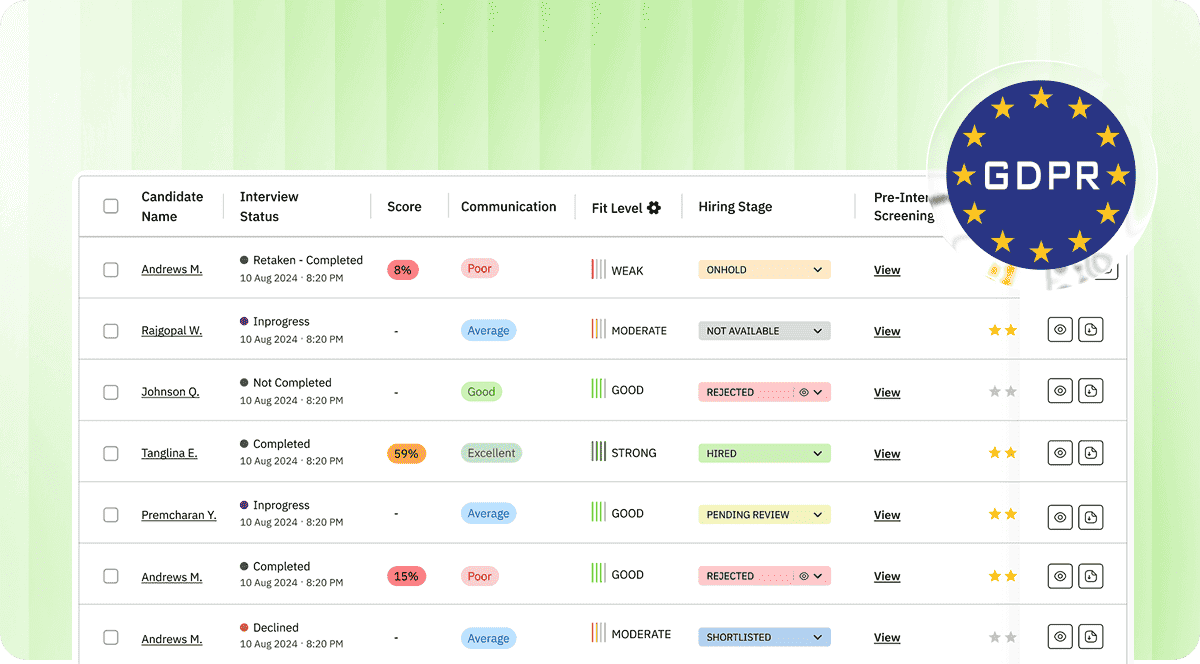
Compliance & Certifications
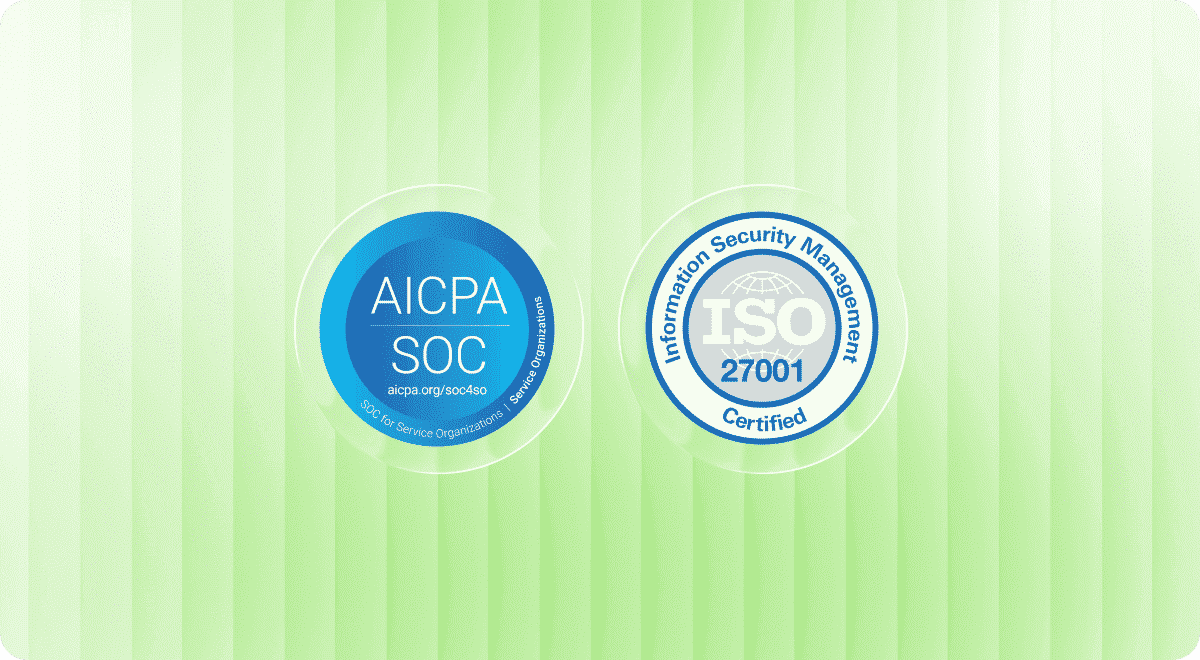
For Micro1, the SOC2 Type II badge is visible publicly on the site. For Hyring, the SOC2/ISO badges appear on use-case pages and enterprise collateral. Hyring has ISO 27001 certification, which Micro1 doesn't.
For regulated workflows (e.g., healthcare hiring), formal compliance evidence and data residency options can be opted for during commercial considerations and evaluations for both.
Candidate Privacy
Hyring focuses on retention, reporting, and candidate transparency in help articles; Micro1's privacy details are available through their legal center and enterprise contracts.
While both platforms meet enterprise security expectations, Hyring's compliance and data-handling practices are designed specifically around candidate interviews, recruiter workflows, and hiring data.
For organizations evaluating security in the context of hiring operations rather than data annotation or expert marketplaces, Hyring is the more natural alternative to Micro1.
Cost & Pricing Structure: The Bottomline
Pricing model
Pricing can translate directly to cost per interview (starting around $1–$5+ per interview for larger volumes). Thus, enabling recruiters and finance teams to estimate cost per hire based on interview volume and hiring funnel design.
Micro1’s pricing is often customized and bundled, without any explicit per-interview or cost-per-hire figures, as they are not directly published. This can make budgeting less transparent for recruiting teams compared to a model that is based on usage patterns.
Transparency
Hyring uses a usage-based pricing model aligned to interview volume, making costs predictable and scalable for teams running high-volume or diverse (in terms of jobs) hiring campaigns.
This approach allows organizations to pay based on their screening activity (in terms of no. of interviews, credits used, volume of candidates screened) rather than seat count (fixed price per month per recruiter whether hiring actually happens or not) and is customizable to a greater degree.
Micro1 follows an enterprise pricing model designed around platform deployments and AI recruiter agents, with costs typically structured around scope, scale, and integration complexity rather than per-interview usage.
Pricing model
Pricing can translate directly to cost per interview (starting around $1–$5+ per interview for larger volumes). Thus, enabling recruiters and finance teams to estimate cost per hire based on interview volume and hiring funnel design.
Micro1’s pricing is often customized and bundled, without any explicit per-interview or cost-per-hire figures, as they are not directly published. This can make budgeting less transparent for recruiting teams compared to a model that is based on usage patterns.
Transparency
Hyring uses a usage-based pricing model aligned to interview volume, making costs predictable and scalable for teams running high-volume or diverse (in terms of jobs) hiring campaigns.
This approach allows organizations to pay based on their screening activity (in terms of no. of interviews, credits used, volume of candidates screened) rather than seat count (fixed price per month per recruiter whether hiring actually happens or not) and is customizable to a greater degree.
Micro1 follows an enterprise pricing model designed around platform deployments and AI recruiter agents, with costs typically structured around scope, scale, and integration complexity rather than per-interview usage.
You can further look at Hyring’s pricing structure and even request a consultation and avail special offers at Hyring Subscription Plans. In the case of Micro1 alternatives, Hyring offers a bang for your buck that is rarely matched when considering recruiting at scale.
Summary: Which is the Best AI Interviewer?
Most hiring teams prefer Hyring for their recruiter-owned workflows, transparent proctoring, role-ready assessments, and fast ATS integration - all of which are critical for real-world hiring.

Why Hyring is stronger for traditional recruiting teams
Recruiter-facing product with proctoring, role-based templates (video/phone/coding), public API + ATS integration docs, and pricing that makes scaling up evaluation value-friendly.
Choose Hyring if
You run high-volume or role-varied hiring and want transparent proctoring, recruiter dashboards, and easy ATS integration.
Where Micro1 is strong
Sourcing and vetting domain experts, human data operations, and tooling designed for enterprises that need to build/benchmark human datasets (Zara, Data Engine).
Choose Micro1 if
Your primary need is sourcing/qualifying expert contributors, building high-quality human datasets, or integrating recruitment into a larger ML/data-ops program.
For organizations deciding between the two, Hyring is the clearer choice when the goal is effective, scalable hiring.
Disclaimer: Information is sourced from public records and is subject to change. This comparison does not constitute a guarantee of current service offerings or specifications.
Frequently Asked Questions
Can Hyring or Micro1 replace human recruiters?
No. Hyring is intentionally designed not to.
Hyring augments recruiters by automating screening while keeping humans in control of scoring, review, and final decisions regarding culture-fit. Micro1 automates the sourcing and vetting of experts, often within broader enterprise programs.
For organizations that want AI support without losing recruiter accountability, Hyring is the safer and more practical option.
Will Hyring or Micro1 work with my ATS, like Greenhouse or Workday?
Yes, but Hyring integrates more directly into recruiter workflows.
Hyring provides a robust API that seamlessly pipes candidate data, interview results, and reports into your preferred ecosystem - whether that's Greenhouse, Workday, Lever, Zoho Recruit, iCIMS, Workable, Ashby, SmartRecruiters, BambooHR, JazzHR, Bullhorn, or SAP.
While Hyring offers smart streamlined, data-ready connections out of the box, Micro1 typically handles enterprise integrations through custom manual implementations.
Which integrates better with LinkedIn Recruiter - Hyring or Micro1?
Hyring fits more naturally with LinkedIn Recruiter-led hiring workflows.
Teams often source candidates via LinkedIn Recruiter and then use Hyring for screening and assessment. The sourced candidate upon clicking apply, automatically enters the interviewing screen directly, cutting out the scheduling stages. Simple, direct integration. Micro1 focuses more on sourcing experts through its own networks.
If LinkedIn is your primary sourcing channel, Hyring perfectly complements it better.
Micro1 vs Hyring: Which supports non-English interviews?
Hyring supports non-English and multilingual interviews for global hiring teams. Micro1 operates globally, but language-specific interview screening is not a primary focus in public materials.
For global or multilingual recruiting, Hyring is the more apt solution. Hyring is better suited for multilingual hiring.
Is Hyring or Micro1 better for screening software engineers vs sales roles?
Hyring is adaptable in the sense that both roles and a variety of others are supported by its AI Interviewer. The support extends to developers, sales, customer support, and operational roles with role-specific interview and assessment formats. Micro1 excels at vetting niche or highly specialized experts.
For most day-to-day hiring roles, Hyring is the more practical option.
Stop Screening Manually.
Start Hiring Smarter with Hyring.
If this comparison has shown you anything, it's that Hyring is built for the way recruiting teams actually work — fast-paced, high-volume, and demanding real accountability at every step. From AI video and phone screening to built-in proctoring and ATS sync, Hyring gives your team the tools to move faster without cutting corners.
See why hiring teams at scaling companies choose Hyring over Micro1.
Compare with other platforms