Interviewer AI VS Hyring
Interviewer AI vs Hyring:
A Detailed Comparison
Written on: 02 Mar 2026
Last updated: 02 Mar 2026

Written by
Rakesh Kumar

Fact Checked by
Adithyan RK
Table of Contents
- An Overview
- Why Hiring Teams Migrate From Interviewer AI To Hyring
- Interviewer AI vs Hyring - Metrics Comparison
- Ecosystem: Products & Hiring Workflow
- Interviewer AI vs Hyring: A Snapshot
- Deepdive: Hyring vs Interviewer AI
- Conversational AI Interviewing
- Candidate Authenticity & Proctoring
- Scoring, Fairness & Bias Reduction
- Assessment Types & Role Coverage
- Scheduling & Automation
- Reporting & Hiring Analytics
- Global Hiring & Accessibility
- The Human Touch: Interviewer AI vs Hyring
- UI UX Experience
- Recruiter Experience
- Candidate Experience
- Security & Compliance
- Cost & Pricing Structure
- Conclusion: Which Is the Best AI Interviewer?
- Frequently Asked Questions
An Overview
There are many Interviewer AI alternatives that recruiters can choose for various purposes; their reasons tend to cluster around a few recurring needs. They want more assessment formats beyond video.
Interviewer AI handles video-based interviewing and shortlisting well. Rich dialogue in conversational mode, real-time insights, and an Explainable AI stack for scoring. Campus hiring, remote hiring, and enterprise hiring each get dedicated templates. A 14-day free trial lets teams test the waters before committing.
Hyring's product area is broader. Screen, assess, decide. Five modules under one roof. AI Video Interviewer, AI Phone Screener, AI Coding Interviewer, Resume Screening, and English Proficiency Test. Published pricing, verified reviews on three platforms, and a help centre with live chat. The recruiter stays in control from the first screen to the final shortlist.
Both platforms automate hiring. They solve fundamentally different slices of the problem.
Why Hiring Teams Migrate From Interviewer AI To Hyring
Interviewer AI is built around a video-first assessment. That focus makes it strong for teams that need structured interviews with scoring and shortlisting at scale. Where it gets harder is when recruiting teams need a little more nuance than video.
No AI phone screen, AI coding interview, or English proficiency assessments. The proctoring functionality is more limited than what Hyring has publicly documented. Enterprise security certifications such as SOC2 and ISO 27001 are not detailed publicly. No help desk. No live support.
This list of gaps is what usually drives hiring teams to Hyring. The underlying issue they are trying to solve is more than just automating the interview process. It involves managing the entire hiring process, no matter how many formats it takes.
Interviewer AI vs Hyring - Metrics Comparison


Ratings change over time. Review live pages for the latest updates.
Ecosystem: Products & Hiring Workflow
Both platforms structure their ecosystems around hiring. The fundamentals differ in scope and depth. This is based on what has been obtained from their respective media communications.
Hyring Review
Product Ecosystem
Hyring built its ecosystem around the full screening-to-hire arc. Five core modules sit at the centre:
AI Video Interviewer
Asynchronous and live two-way video interviews with dynamic follow-ups that adapt to candidate responses.
AI Phone Screener
AI Coding Interviewer
AI Resume Screener
English Proficiency Test

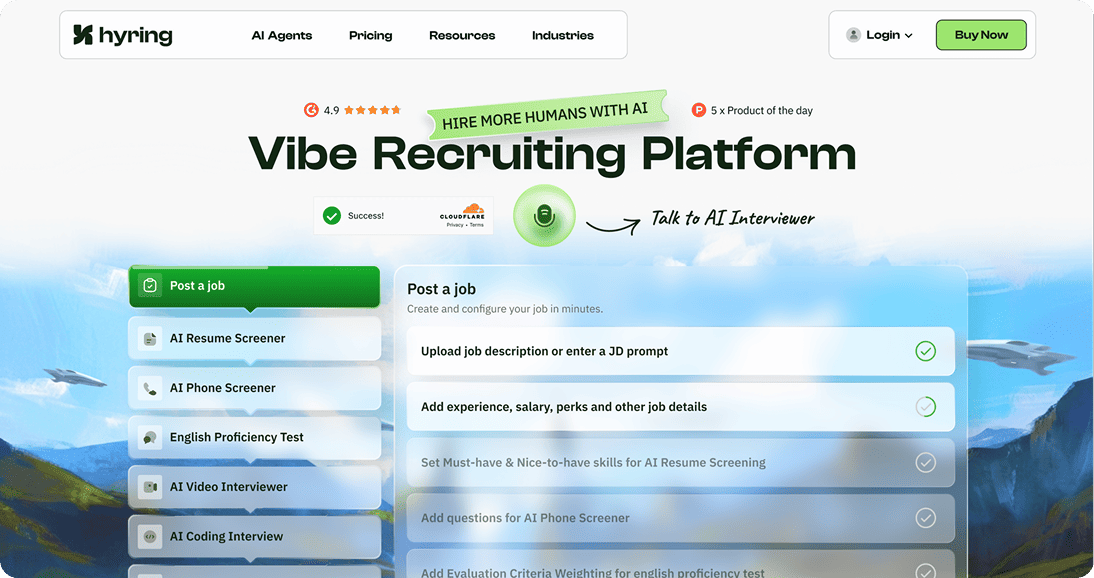
These work together as a single screening system. A recruiter does not stitch separate tools together.
Brief
Hyring works well for teams and MNCs that hire at scale. Speed and structure without pulling humans out of the decision loop.
PROS
- Cuts early-stage screening time significantly
- Consistent, structured interviews across roles
- Integrity signals visible right inside the reports
- Clear summaries that hiring managers can act on
- Quick rollout for recruiting teams
CONS
- Less useful for very small teams
- Best value shows at moderate to high volume
- Does not replace an ATS
TAKEAWAY
Hyring works well for teams and MNCs that hire at scale. Speed and structure, yes. But without pulling humans out of the decision loop.
Interviewer AI Review
Product Ecosystem
Interviewer AI orients its ecosystem around video-based interviewing and candidate shortlisting. Based on publicly available information, the capabilities include:
AI Interviewer
Conversational and one-way video interviews with adaptive follow-ups for campus, remote, and enterprise hiring.
AI Resume Screener
Role-specific Templates
Scoring & Analytics
ATS Integrations
Identity Verification
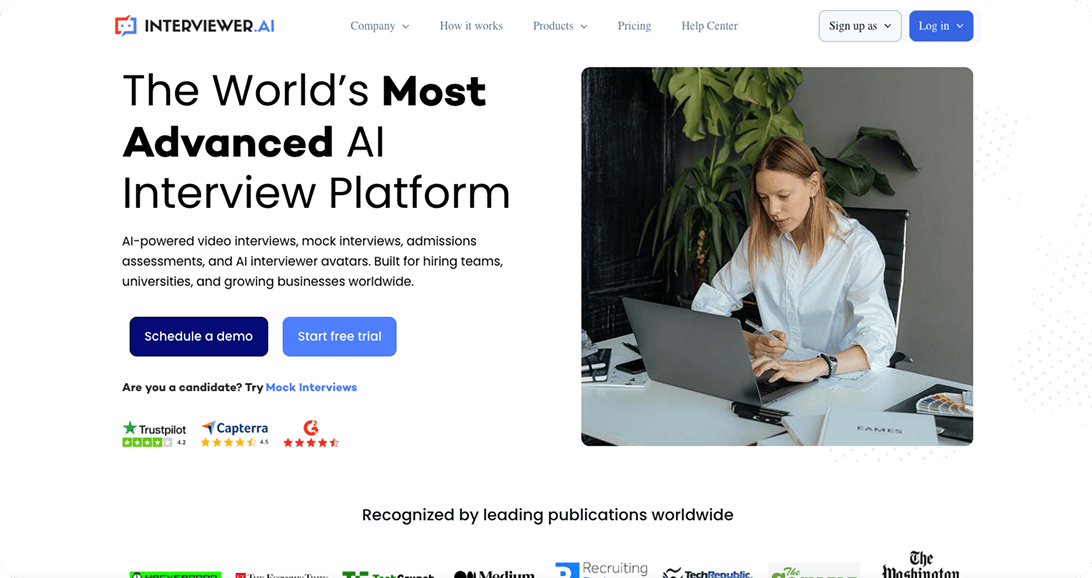
The focus is video-first assessment with structured scoring. Phone screening, coding interviews, and English proficiency testing sit outside its current scope.
Brief
Interviewer AI handles video-based assessment capably. Teams whose needs stretch beyond video, especially those hiring across tech and non-tech roles, will find the gaps quickly.
PROS
- Strong conversational AI with rich dialogue and dynamic follow-ups
- Explainable AI stack gives transparency into scoring
- Identity verification and liveness checks available
- Campus hiring template is a specific strength
- 14-day free trial lowers the barrier to evaluation
CONS
- No AI phone screener
- No AI coding interviewer
- No English proficiency test
- Limited proctoring features
- No help centre or live chat support
- Enterprise security certifications not well-documented publicly
TAKEAWAY
Interviewer AI handles video-based assessment capably. Teams whose needs stretch beyond video, especially those hiring across tech and non-tech roles, will find the gaps quickly.
Bottom Line
Hyring gives you modular recruiting tools that cover high-volume and role-based hiring from first screen to final handoff.
Interviewer AI gives you a strong video interview engine with scoring and shortlisting focused on mid-level and scaling-up use cases.

Hyring excels at: Recruiter-driven screening, multi-format assessment, interview integrity, and fast hiring decisions across a range of roles.
Interviewer AI excels at: Video-first structured interviews, campus hiring, and conversational AI with Explainable AI scoring.
Both target hiring but have different target priorities.
Interviewer AI vs Hyring: A Snapshot
Feature / Capability
Interviewer AI
AI Interviewer
AI Phone Screener
AI Resume Screener
AI Coding Interviewer
English Proficiency Test
Conversational AI interviewing (adaptive follow-ups)
Dynamic follow-up questions
Asynchronous video interviews
Phone-based screening
Unavailable
Candidate authenticity and proctoring
Limited features
Identity verification / liveness checks
Role-specific interview templates
Technical and coding assessments
Unavailable
High-volume automation
Structured scoring and rubrics
Hiring analytics and reports
ATS integrations and APIs
Multilingual support
Enterprise security (SOC2 / ISO)
Limited public data, GDPR compliant
Live human support and onboarding
Free trial
Ratings change over time. Review live pages for the latest updates.
Deepdive: Hyring vs Interviewer AI
Conversational AI Interviewing

Hyring
Two-way video interviews and phone interviews, both with follow-ups that shift based on what the candidate actually says. The scoring engine looks at speech patterns, content depth, and role fit. A recruiter screening 200 candidates for a mid-level ops role gets a ranked shortlist in hours. That speed compounds when every open day on a position carries real cost.
Interviewer AI
The conversational mode is strong. Rich dialogue, dynamic follow-ups, and an intuitive feel for candidates. Interviewer AI does this part well. The gap is format range. No phone-based screening means recruiters work with one conversational channel instead of two.
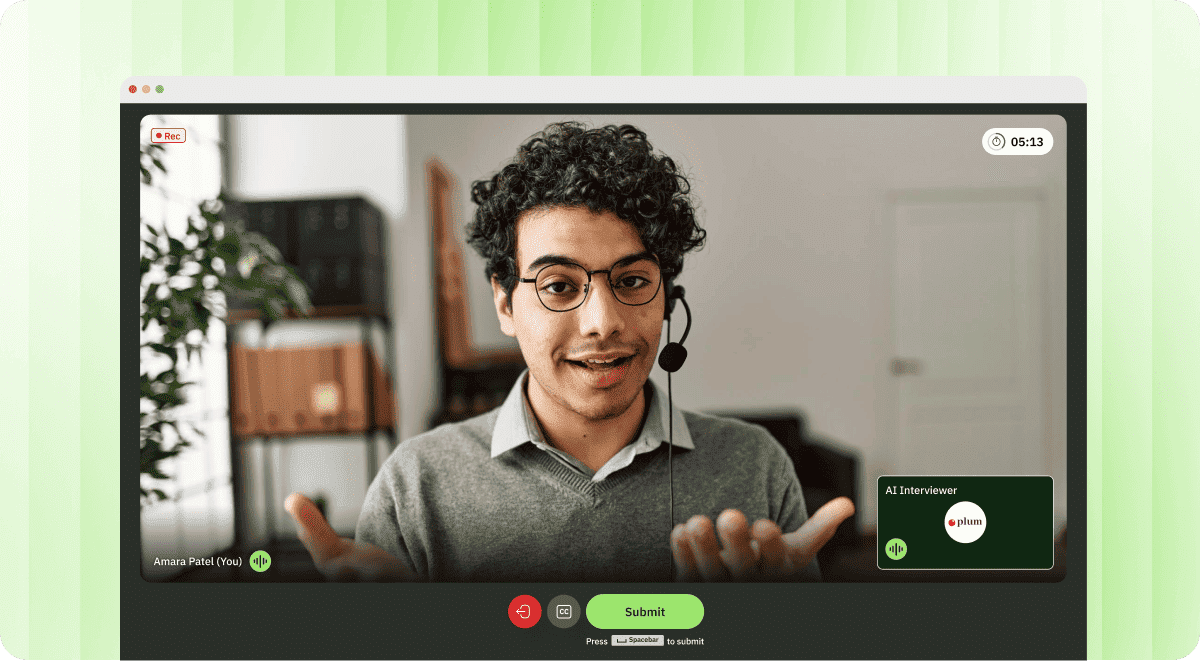
Hyring. Three interview formats (video, phone, adaptive dialogue) versus one. Both platforms handle conversational AI capably. Hyring gives recruiters more ways to reach candidates, which matters when hiring across roles that suit different screening formats.
Candidate Authenticity & Proctoring
Hyring
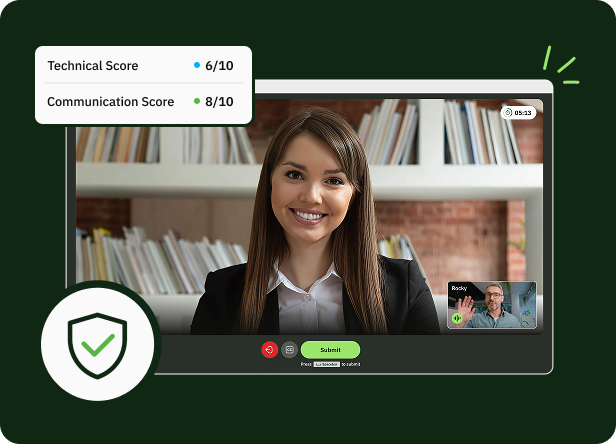
Face detection, gaze tracking, audio detection, background app usage. Each of these indicators appears right in the recruiter's report. When the recruiter views the problematic interview, the reason is right there. A tab switch. A second voice. A gaze drop at a bad time, maybe? The recruiter notices it and makes a choice. Fraud detection remains transparent without making the candidate experience disappointing.
Interviewer AI
Identity verification and liveness checks are available. That is a real strength. Proctoring beyond that, the kind that catches tab switches or secondary audio during a live assessment, is listed as limited in feature scope. For recruiters who need granular integrity signals inside their reports, the difference matters.
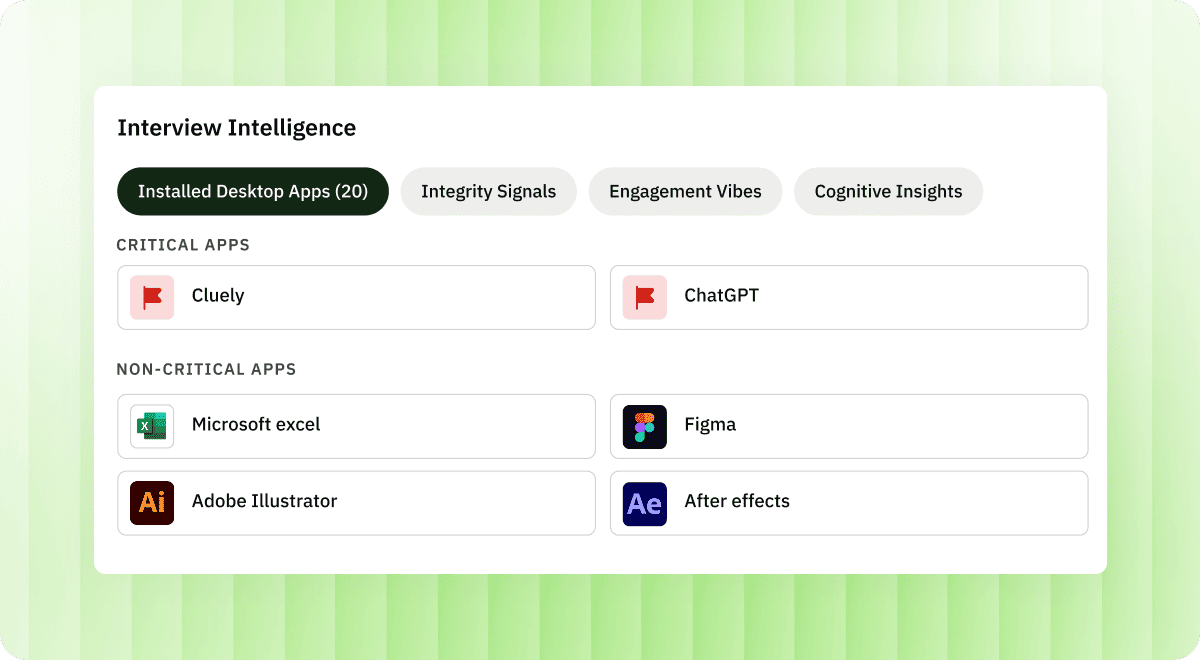
Hyring. Proctoring signals embedded in recruiter reports give a clear basis for decisions. Interviewer AI covers identity verification well, but the proctoring layer during the interview itself is where Hyring pulls ahead. Among Interviewer AI alternatives, this is a frequent reason teams switch.
Scoring, Fairness & Bias Reduction
Hyring
Insights for sentiment analysis, job fit scores, intelligence indicators. All organized by competency, with full transcripts included. Any score can be overridden by the recruiter. Screening 1000 candidates for the same position requires consistency across all of the 1000 assessments. This is what distinguishes a defensible hiring outcome from one that is in question.
Interviewer AI
Real-time insights and an Explainable AI stack. Computer vision and NLP signals feed into scoring. This is genuinely useful for transparency. Recruiters can see why a candidate scored the way they did. Both platforms take scoring seriously. Where Hyring adds a layer is the human override and transcript-level detail in every report.
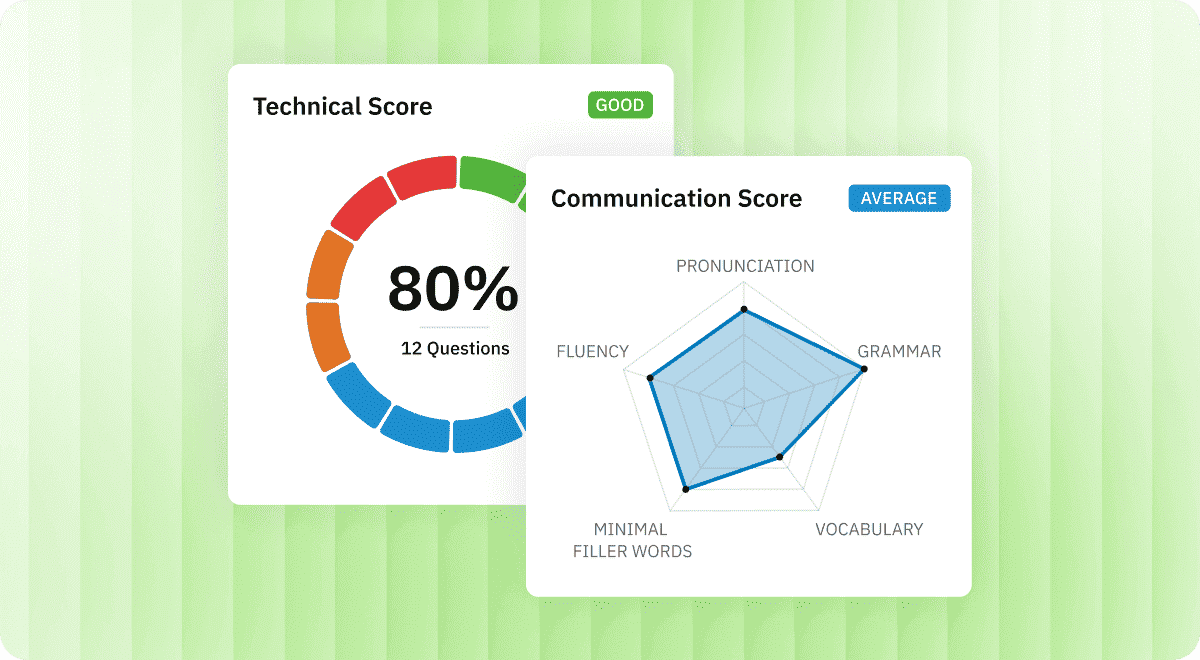
Hyring. Both platforms score well. Hyring's combination of structured rubrics, recruiter override, and full transcripts gives hiring managers more to work with when the decision is close. Interviewer AI's Explainable AI approach is a real asset, but the recruiter override and transcript depth tip the balance.
Assessment Types & Role Coverage
Hyring
Hyring's software suite is pretty versatile according to the job roles and fits it can be useful for. This happens from entry-level to senior roles - without needing extra AI recruiting tools. One stop shop.
Interviewer AI
Video-based interviewing with role-specific templates for campus hiring, remote roles, and enterprise use cases. Resume screening available. Technical and coding assessments are not part of the current product. A recruiter hiring for a backend developer and a customer support agent in the same quarter would need a second tool for the technical side.
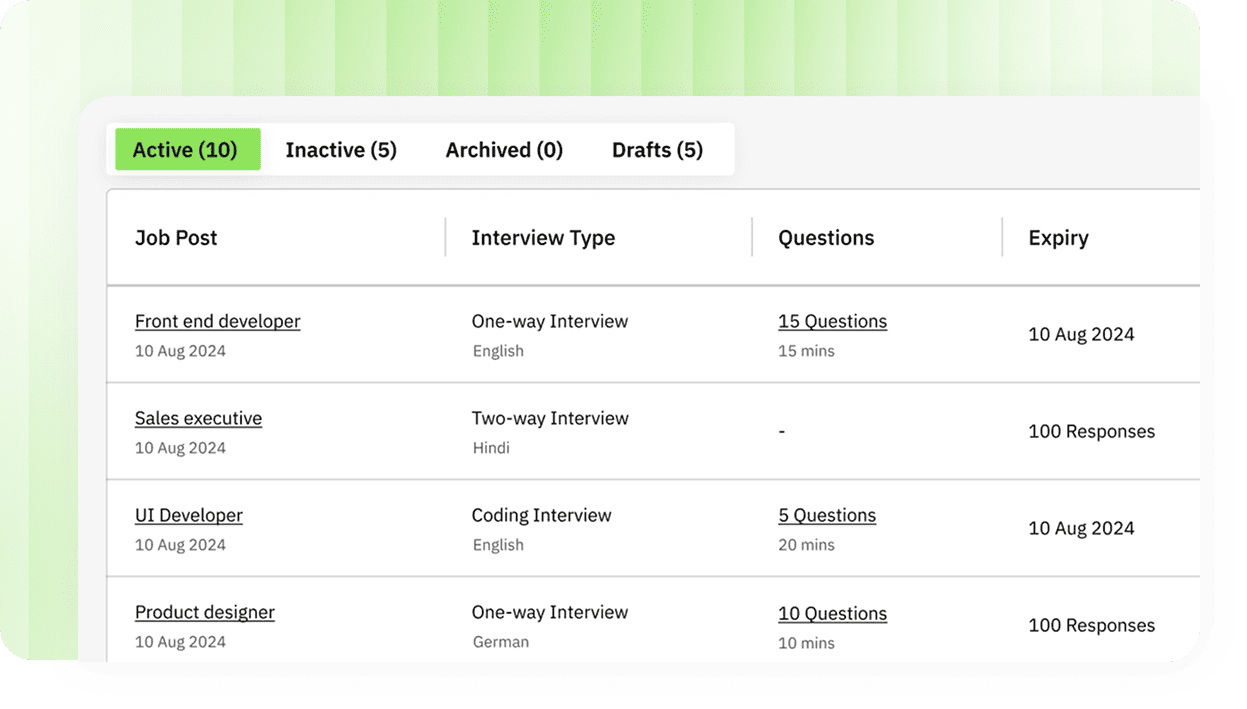
Hyring. Five assessment modules versus a video-focused toolkit. Interviewer AI's templates are well-designed for their scope. The breadth gap shows the moment a hiring pipeline includes both technical and non-technical roles. For recruiters evaluating Interviewer AI alternatives, this is often the deciding factor.
Scheduling & Automation
Hyring
Automated scheduling, API integration to push and pull candidates into the ATS process. Bulk invites, automated reminders are also present. A recruiting team with a 2,000-candidate campaign in three time zones sets it up all at once. The system takes care of the rest.
Interviewer AI
ATS integrations are available. High-volume automation is a stated capability, with a focus on campus and high-volume hiring. The scheduling layer works within its video-first workflow.
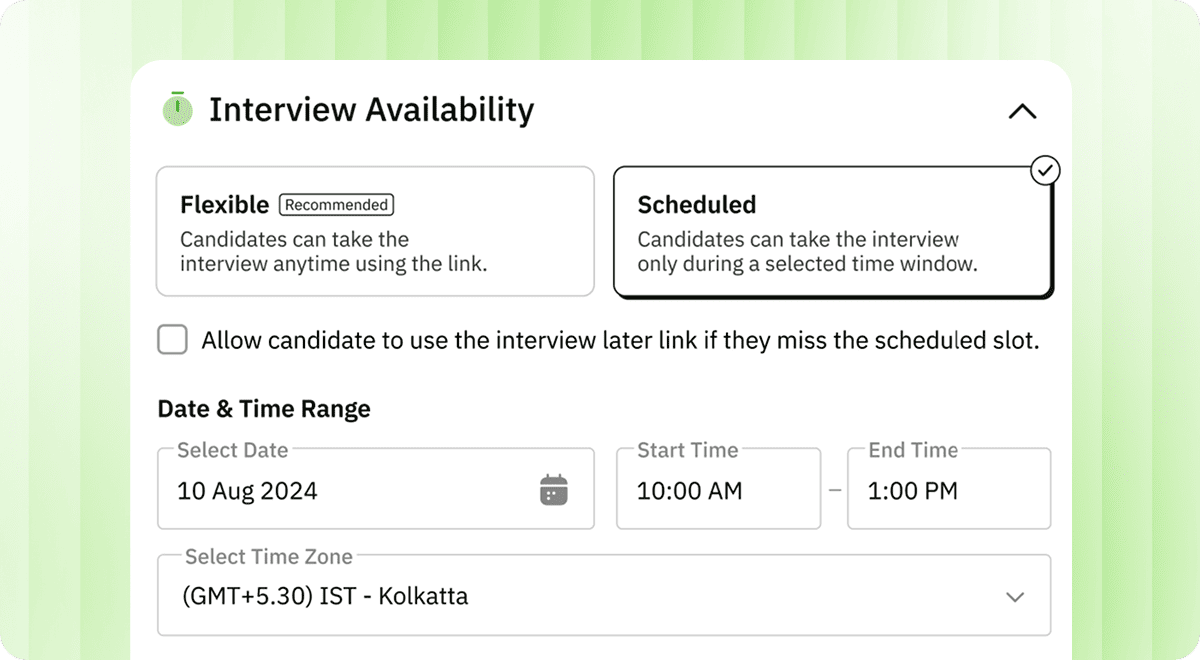
Both platforms handle scheduling and ATS integration. Hyring's edge comes from coupling scheduling with multi-format interviews and API-driven ATS sync. Teams hiring across role types get wider utility from Hyring's approach.
Reporting & Hiring Analytics
Hyring
Each report includes sentiment analysis, job-fit scores, proctoring alerts, competency breakdowns, and complete transcripts. The result is that a hiring manager who wasn't in the interview can review the report and make a shortlist decision in minutes - eliminating the gap between screening and action.
Interviewer AI
In-depth reports with an Explainable AI stack. Computer vision and NLP signals feed into analytics. This gives recruiters visibility into how scores were generated. A solid reporting foundation. The difference is in proctoring flags and transcript-level detail, which Hyring includes as standard.
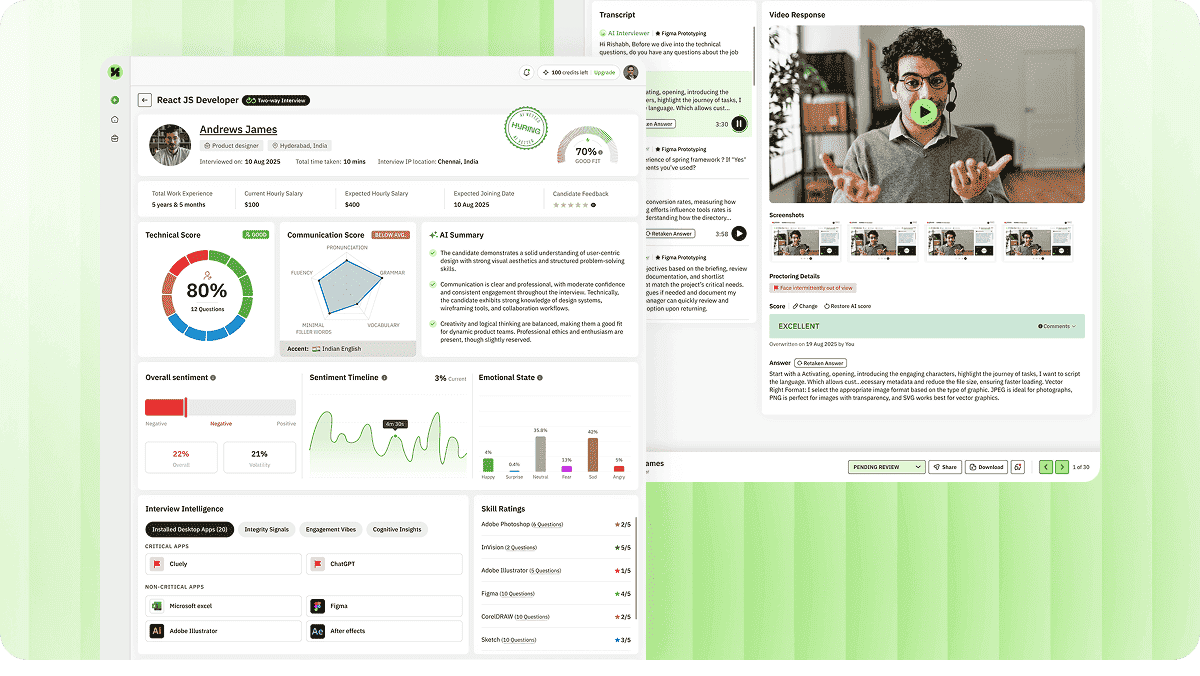
Hyring. Both platforms deliver strong reporting. Hyring's reports include proctoring flags and full transcripts alongside scoring, giving hiring managers a more complete picture when making shortlist decisions. Among alternatives to Interviewer AI, this reporting depth is a clear differentiator.
Global Hiring & Accessibility
Hyring
Multilingual interviews in 10+ languages - globally compatible candidate flows. A recruiter based in London hiring customer support agents in Cairo and New York can run the same structured interview in multiple languages from one dashboard.
Interviewer AI
Multilingual support in 10+ languages. Both platforms match on language range. This is one area where the feature parity is genuine.
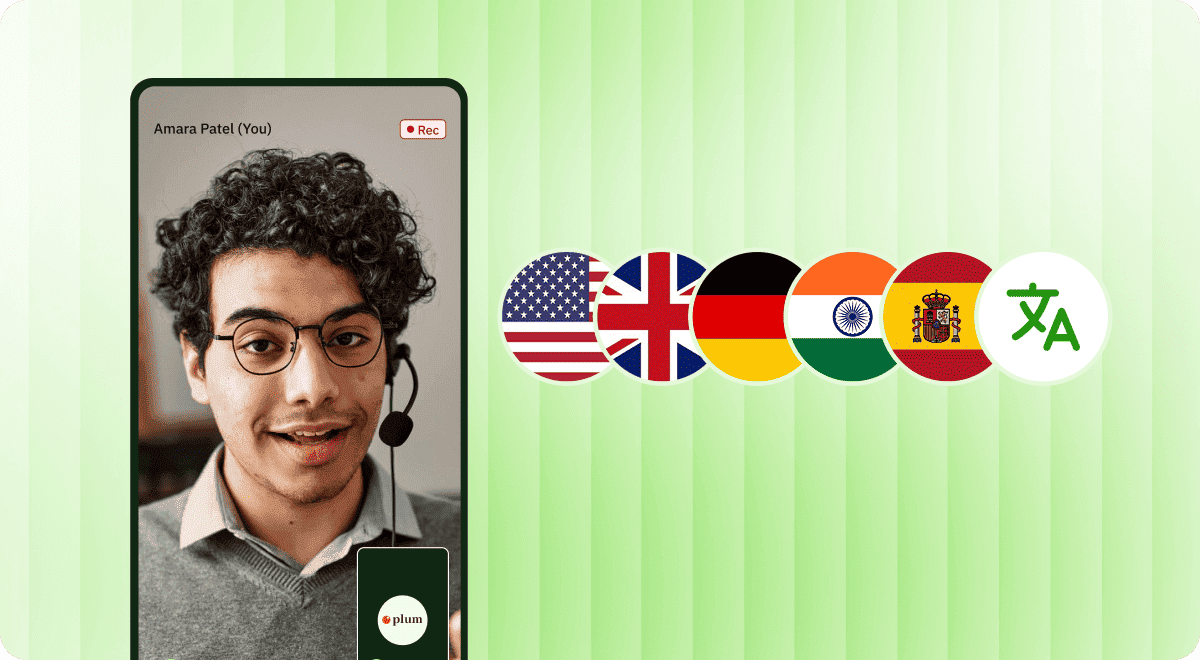
Tie on multilingual support. Both platforms offer 10+ languages. Hyring's additional formats (phone, coding) give it an edge for global teams that need more than video interviews across regions, but on language coverage alone, both deliver.
The Human Touch: Interviewer AI vs Hyring
Hyring
Recruiters assess flagged proctoring incidents, override AI scores when judgment demands it, follow up on interviews, and guide final decisions. These human steps are clearly indicated across the platform. AI handles the repetitive screening load. Humans keep control of every critical decision.
Interviewer AI
The Explainable AI stack gives recruiters transparency into scoring decisions. Human involvement is part of the workflow, though the specific points where recruiter judgment enters vary by implementation. The 14-day free trial lets recruiters experience the workflow firsthand before committing.
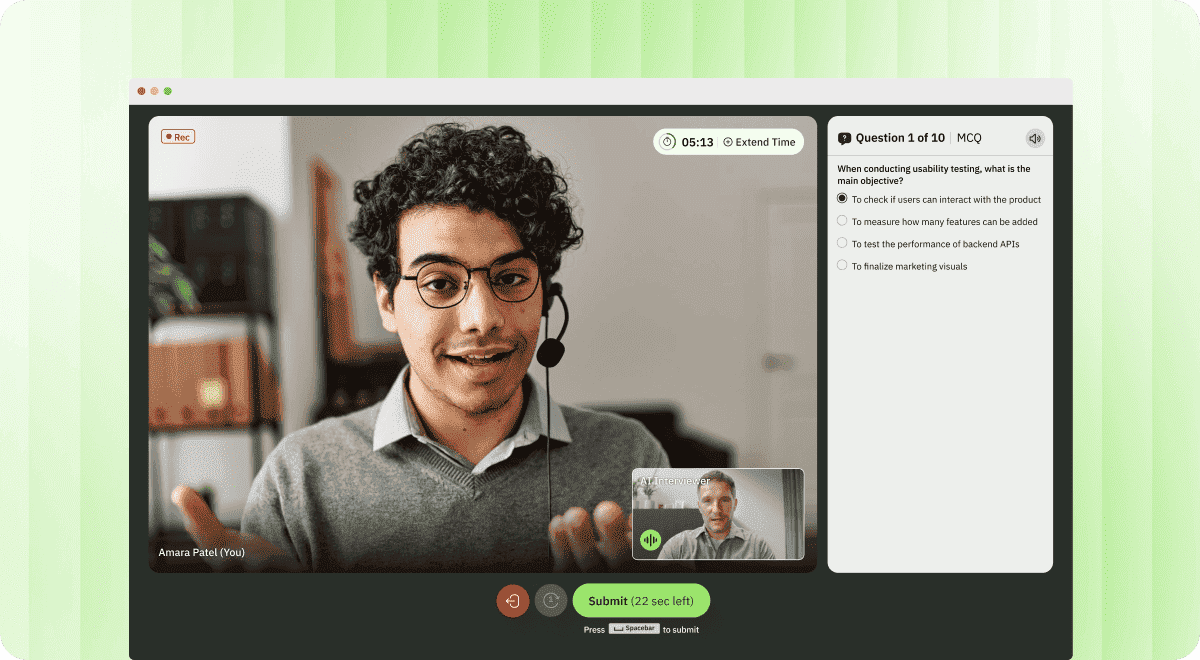
Hyring. Hiring decisions carry moral weightage. Hyring is designed to keep humans in control at every critical decision point, rather than replacing human judgement with AI. Interviewer AI's Explainable AI approach supports human decision-making, but Hyring's documented human override at every stage makes the recruiter's role more explicit.
UI UX Experience
Recruiter Experience
Hyring
The recruiter dashboard is built for a short learning curve. Building interview flows, launching campaigns, and reviewing results follow a clear path - create interview, launch, review. Product documentation and the help centre make common tasks easily discoverable.
Interviewer AI
The platform provides a dashboard with ATS integration and role-specific templates. The 14-day free trial gives recruiters a chance to evaluate the interface before buying. Public documentation on the recruiter experience beyond the trial is limited, and no help centre is available for ongoing reference.
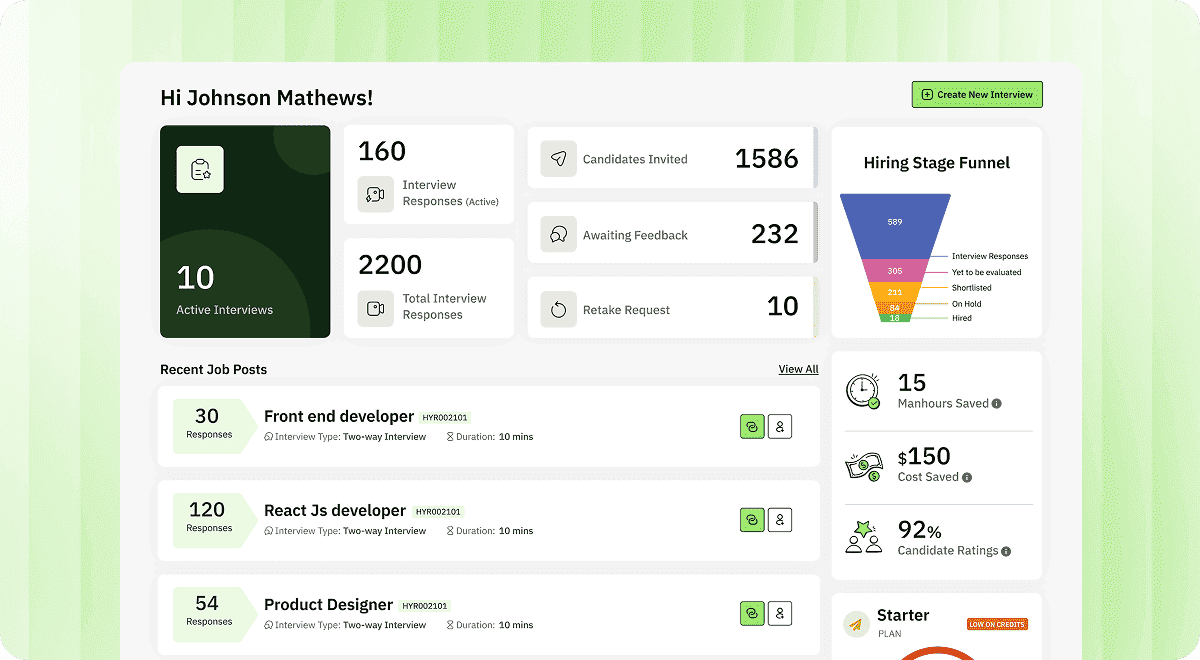
Hyring. An intuitive, well-documented recruiter dashboard with a live help centre reduces time to value. For teams evaluating Interviewer AI alternatives, the ramp-up time difference and ongoing support access matter, especially at scale.
Candidate Experience
Hyring
Candidates can complete interviews asynchronously or join live two-way sessions. Proctoring strikes a balance between fraud detection and candidate comfort, with adjustable tolerance settings recruiters can calibrate to fit the role. For less demanding positions, one-way interviews keep the process lightweight and low-friction.
Interviewer AI
Conversational mode with rich dialogue gives candidates a natural feel. Identity verification and liveness checks are part of the flow. Video-first design keeps the candidate experience focused. The interface is rated 4.8/5 for ease of use on Capterra, which suggests a smooth experience for candidates as well.
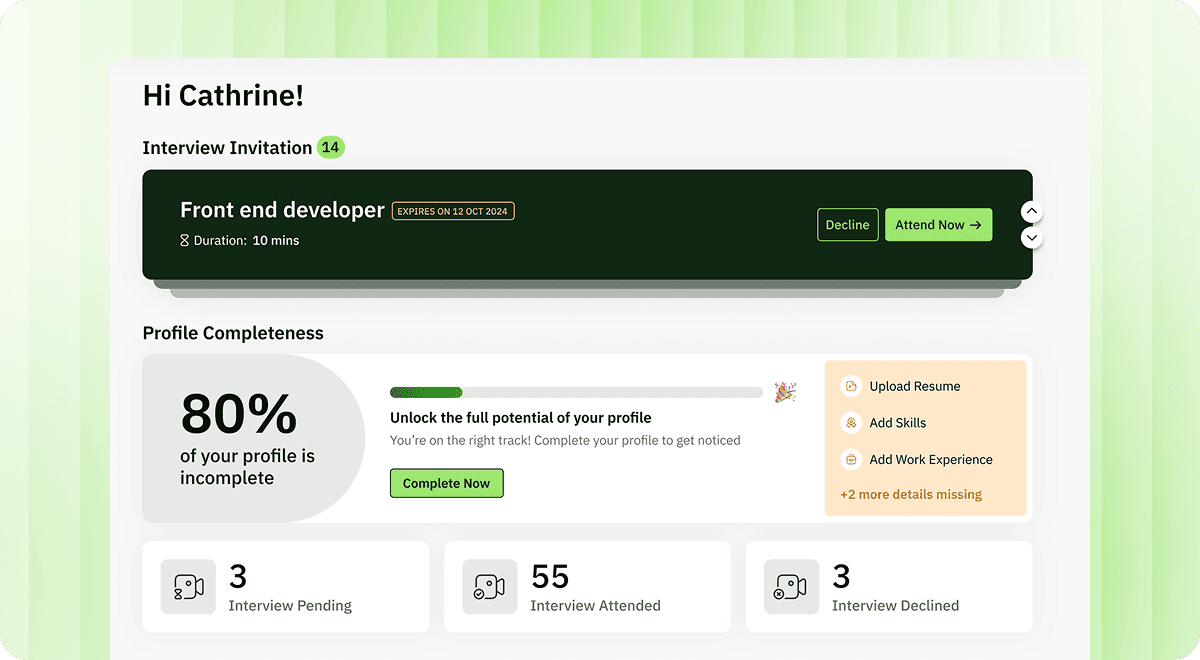
Hyring. More format flexibility (live, async, one-way, phone) gives recruiters control over how candidates interact with the platform. Interviewer AI's conversational experience is strong, but the format range is narrower. For diverse candidate pools, Hyring offers more ways to match the assessment to the role.
Security & Compliance
Data Protection
Hyring
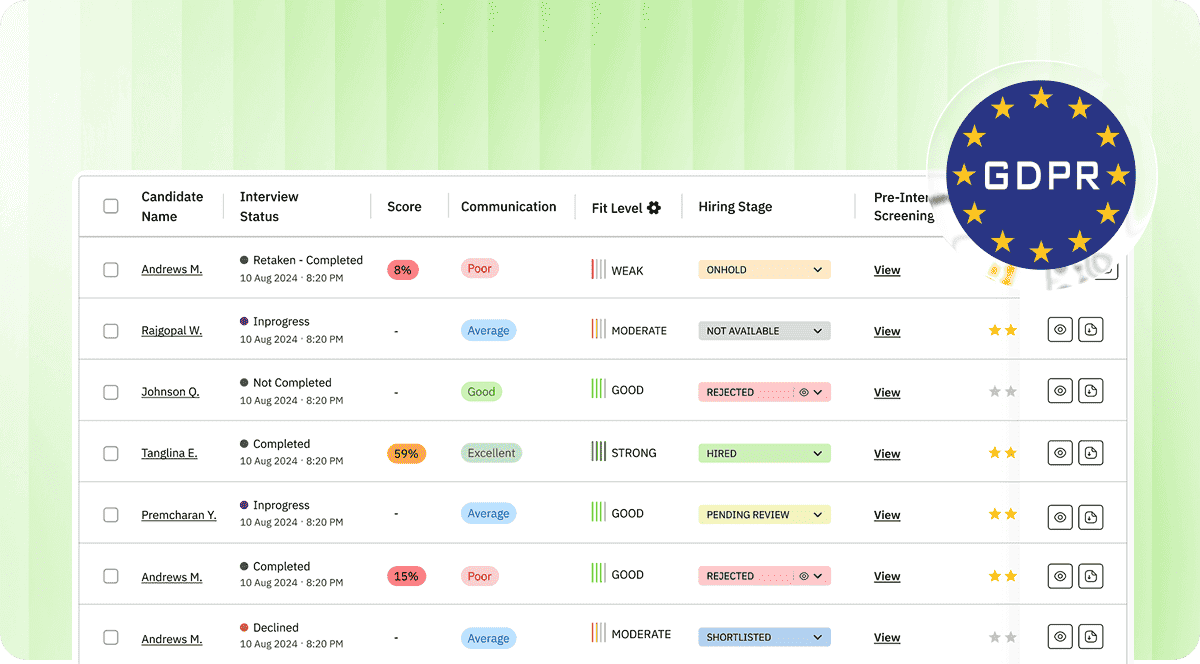
Both platforms serve enterprise buyers, so security isn't optional but it's expected. Hyring positions itself with enterprise-grade security across its use cases and backs that up with help centre articles that walk through data handling practices.
Interviewer AI
Interviewer AI is GDPR compliant. That said, broader enterprise security documentation like SOC2 or ISO certifications from Interviewer AI isn't readily available in public-facing materials.
Compliance & Certifications
Hyring
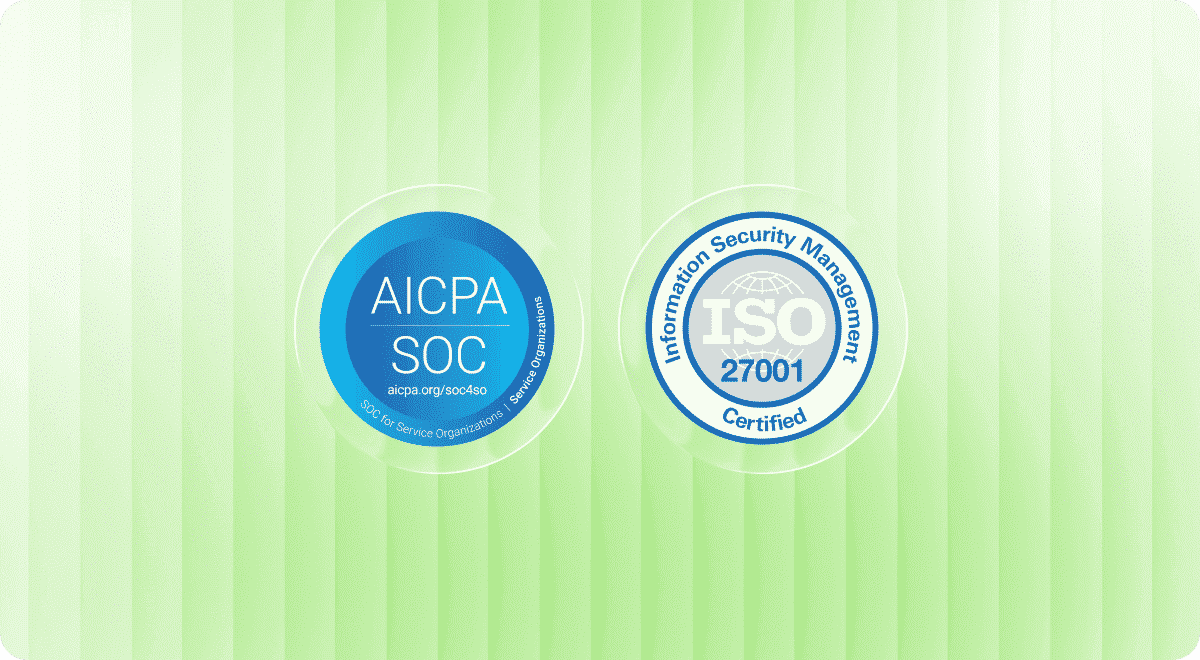
Hyring carries the heavyweight certifications such as SOC2 and ISO 27001, which matter when procurement teams need proof, not empty assurances.
Interviewer AI
Interviewer AI's GDPR compliance is clearly documented, but SOC2 and ISO credentials aren't publicly detailed. If you're hiring in regulated industries like healthcare or financial services, formal compliance evidence and data residency options are conversations worth having during commercial discussions.
Candidate Privacy
Hyring
Hyring addresses retention policies, reporting access, and candidate transparency through its help articles. These details are recruiter-accessible without needing an enterprise contract review.
Interviewer AI
Interviewer AI's privacy posture beyond GDPR compliance would need to be confirmed through direct conversations. The public-facing detail doesn't go deep enough to assess on its own.
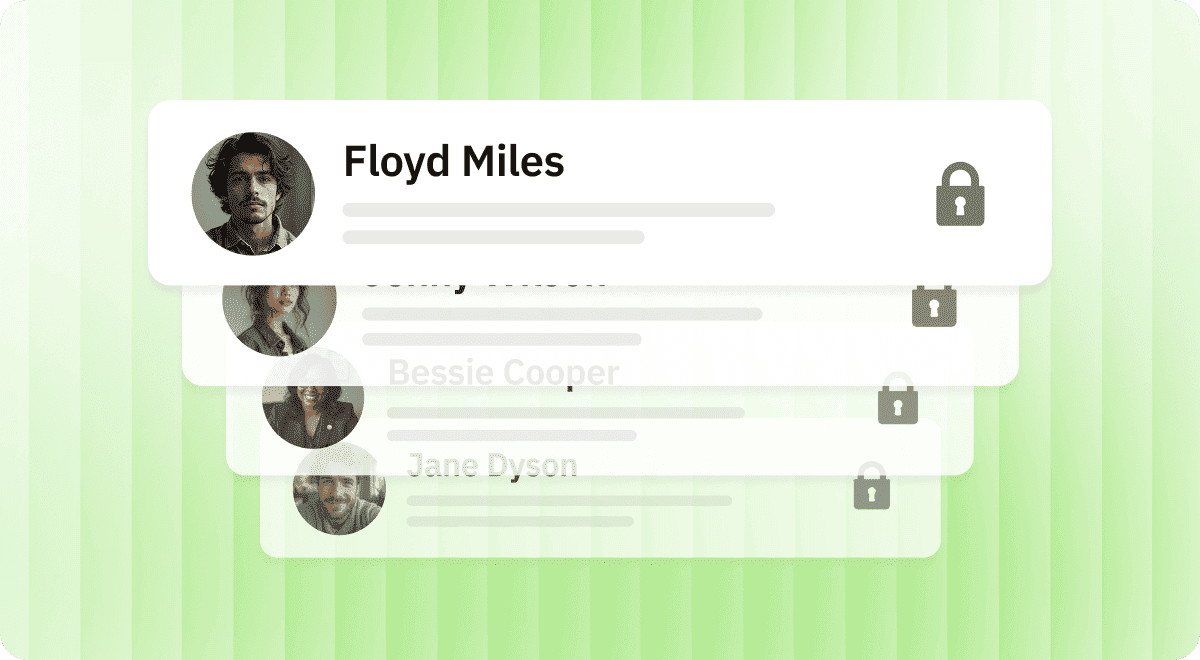
Hyring. When procurement sends over a security questionnaire, documented SOC2 and ISO 27001 certifications answer most of the hard questions before a call is even booked. Interviewer AI's GDPR compliance is a credible starting point, but the fuller enterprise security picture requires direct vendor engagement to piece together.
Cost & Pricing Structure
Pricing Model
Hyring has a usage-based pricing structure that is interview volume-driven. This makes it easy to predict and scale for teams that are conducting high-volume or diverse role hiring campaigns. The pricing structure is not based on a fixed seat number per recruiter per month.
Cost per interview starts around $1 to $5, with lower rates at larger volumes. Recruiters and finance teams can estimate cost per hire based on interview volume and hiring funnel.
Interviewer AI's pricing is not publicly disclosed. There is a 14-day free trial, which gives teams a chance to test before committing on pricing. Budgeting without publicly disclosed pricing may delay purchasing for teams who are accustomed to usage pricing.
Transparency
Published pricing removes a procurement friction point that unpublished pricing introduces. For recruiting teams that require understandable and scalable cost structures, the usage-based pricing model by Hyring is more manageable to plan for.
Pricing details require direct engagement with the vendor. The free trial offsets some of that friction for initial evaluation, but ongoing cost planning needs a conversation with sales.
Pricing Model
Hyring has a usage-based pricing structure that is interview volume-driven. This makes it easy to predict and scale for teams that are conducting high-volume or diverse role hiring campaigns. The pricing structure is not based on a fixed seat number per recruiter per month.
Cost per interview starts around $1 to $5, with lower rates at larger volumes. Recruiters and finance teams can estimate cost per hire based on interview volume and hiring funnel.
Interviewer AI's pricing is not publicly disclosed. There is a 14-day free trial, which gives teams a chance to test before committing on pricing. Budgeting without publicly disclosed pricing may delay purchasing for teams who are accustomed to usage pricing.
Transparency
Published pricing removes a procurement friction point that unpublished pricing introduces. For recruiting teams that require understandable and scalable cost structures, the usage-based pricing model by Hyring is more manageable to plan for.
Pricing details require direct engagement with the vendor. The free trial offsets some of that friction for initial evaluation, but ongoing cost planning needs a conversation with sales.
More details are available at Hyring Subscription Plans. For teams comparing Interviewer AI vs Hyring on cost, Hyring offers pricing clarity that is hard to match at scale.
Conclusion: Which Is the Best AI Interviewer - Interviewer AI or Hyring?

Where Hyring Is Stronger
Recruiter-controlled hiring pipeline: Hyring puts recruiters in the driver's seat when it comes to candidate evaluation. Video, phone, and coding interviews all come with structured scoring, transparent proctoring, and assessment templates designed around specific roles. Integration is baked in too, with public API documentation and ATS connectivity that slots into existing workflows.
Full-spectrum assessment coverage: Five distinct modules handle AI video interviews, AI phone screening, AI coding interviews, resume screening, and English proficiency testing. That range means technical and non-technical roles can both be assessed under one roof.
Trust through visibility: Pricing is published openly. Review profiles on Trustpilot, Capterra, and G2 are active and verified. The help centre is genuinely live. Monthly product updates show a team that is consistently shipping.
Choose Hyring if:
You run high-volume or role-varied hiring and want transparent proctoring, recruiter dashboards, multi-format interviews, and easy ATS integration.
Where Interviewer AI Is Strong
Video-first interviewing. Conversational AI with rich dialogue, dynamic follow-ups, and an Explainable AI stack that gives recruiters transparency into scoring decisions. Identity verification and liveness checks add a layer of candidate authenticity.
Campus and mid-level hiring. Role-specific templates for campus, remote, and enterprise hiring. A 14-day free trial that lowers the evaluation barrier. Multilingual support across 10+ languages.
Choose Interviewer AI if:
Your primary need is video-first structured interviews with conversational AI, scoring transparency, and campus or mid-level hiring templates.
For organizations deciding between the two, Interviewer AI vs Hyring comes down to scope. Hyring is the clearer choice when the goal is effective, scalable hiring across diverse roles with full recruiter control and multi-format assessment depth.
Disclaimer: Information is sourced from public records and is subject to change. This comparison does not constitute a guarantee of current service offerings or specifications.
Frequently Asked Questions
Can Hyring or Interviewer AI replace human recruiters?
No. Hyring is designed to augment recruiters by automating screening while keeping humans in control of scoring, review, and final decisions. Interviewer AI's Explainable AI stack supports recruiter decision-making with transparent scoring. Neither replaces the recruiter. Hyring makes the human override more explicit at every stage.
Will Hyring or Interviewer AI work with my ATS, like Greenhouse or Workday?
Hyring provides API-driven integration that pipes candidate data, interview results, and reports into your preferred ATS ecosystem. Interviewer AI offers ATS integrations as well. For teams that rely on existing ATS workflows, Hyring's API-driven approach offers broader documented flexibility.
Which integrates better with LinkedIn Recruiter, Hyring or Interviewer AI?
Hyring fits naturally with LinkedIn Recruiter-led hiring workflows. Teams source candidates via LinkedIn Recruiter and then use Hyring for screening and assessment. The sourced candidate clicks apply and enters the interviewing screen directly, cutting out the scheduling stages. Interviewer AI offers ATS integrations but its LinkedIn Recruiter workflow is not specifically documented in public materials. If LinkedIn is your primary sourcing channel, Hyring complements it more directly.
Does Hyring or Interviewer AI support non-English interviews?
Both platforms support multilingual interviews in 10+ languages. This is one area of genuine parity. For global hiring teams, either platform covers language needs.
Is Hyring or Interviewer AI better for screening software engineers vs sales roles?
Hyring supports developers (coding interviews), sales (communication and scenario assessments), customer support, and operational roles with role-specific formats. Interviewer AI offers video-based templates for campus, remote, and enterprise roles but does not include a standalone coding interviewer. For mixed-role hiring across functions, Hyring is more adaptable.
Stop Screening Manually.
Start Hiring Smarter with Hyring.
If this comparison has shown you anything, it's that Hyring is built for the way recruiting teams actually work — fast-paced, high-volume, and demanding real accountability at every step. From AI video and phone screening to built-in proctoring and ATS sync, Hyring gives your team the tools to move faster without cutting corners.
See why hiring teams at scaling companies choose Hyring over Interviewer AI.
Compare with other platforms