TL;DR
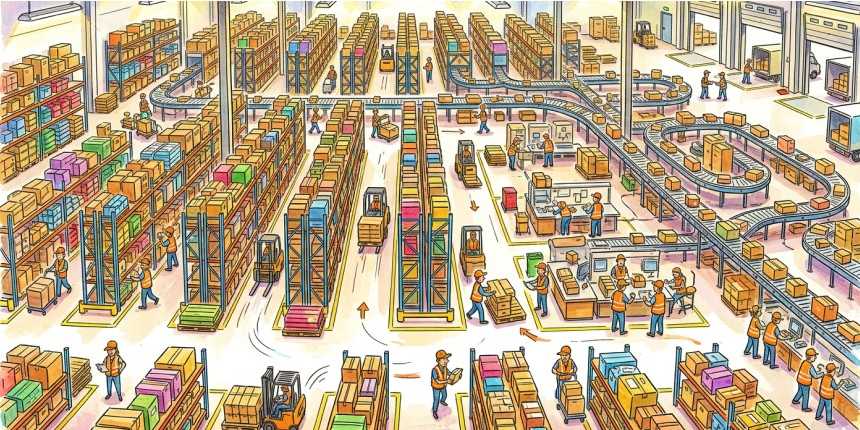
Hiring the wrong engineer can be very costly. But hiring 200 wrong warehouse workers is a crisis. The speed of hiring in logistics does not match normal hiring methods. Workers need to be hired before busy seasons, no matter what.
If one shift is short-staffed, it causes delays everywhere. Current hiring tools are made for small numbers of hires. When many people apply, the problems show up fast.
AI recruiting for bulk hiring changes how decisions are made and what information is used. Making better hiring choices becomes very important when hiring many people.
Why Bulk Hiring in Logistics Is Structurally Different
A company's hiring process can have some slow parts. A three-step interview and a week of talks might be slower than best, but it works. In warehouses, this process does not work well.
The U.S. Bureau of Labor Statistics says that warehouse jobs often have the highest turnover. This problem is not getting better. Amazon, which has a huge workforce, has a turnover rate close to 150%.
The company has confirmed this number. Many workers leave not because they are unhappy, but because their job does not match what they expected: long shifts, overestimated skills, and more. These mistakes add up quickly. If a company hires fifty workers with a 20% bad hiring rate, they will lose ten workers in just three months.
According to SHRM, the average cost to hire someone is about $4,700. But in logistics, it can be much higher. If you think about lost productivity, quick training, and problems from open positions, the cost of bad hires can grow a lot. Imagine needing to do this 200 times during busy seasons.
The Volume Problem Nobody Talks About
There is a frustrating problem in bulk hiring. More applicants mean more data, but it takes more time to check this data.
During busy times, a slow hiring process is as bad as having no process at all. If one recruiter has to go through 300 applications for a new warehouse team, they can't really evaluate each one.
They will just look for familiar job titles, companies, or gaps in employment. This is not because the recruiter is not good; it is because the human mind has limits when dealing with so many applications.
AI Resume Screening at Scale: More Than Speed
When hiring many people, AI resume screening does more than just speed things up. It treats all applicants the same. There are no tiredness, first impressions, or hidden biases.
For entry-level jobs, the main differences are clear: shift times, forklift licenses, or years of similar work. An AI can find the best candidates from 400 applicants in minutes, no matter how busy HR is. Another important point is honesty.
Research shows that over 64% of applicants lie on their resumes. In logistics, this often means stretching the truth about work time or shift availability. AI systems catch these lies easily.
Hyring’s AI Resume Screener uses this method to give scores based on what you want in a candidate, and it automatically flags any inconsistencies.
This system is made for fast-paced warehousing and logistics hiring, showing better efficiency and quality in candidates who reach the interview stage.
What AI Video Interviewing Delivers for Frontline Roles
Resume screening is just part of the process; interviews show real fit.
Bulk interviews are hard to manage, even for top logistics companies. Scheduling 80 interviews in two weeks is tough.
Phone screenings are quick but not deep enough; they miss signs of punctuality and communication skills under pressure. AI video interviewer change this. It allows candidates can do interviews on their own time, whether late at night or on weekends.
The interviews use the same questions, and AI scores them on consistency, tone, and clarity. This method gathers a lot of behavioral data without emotional analysis. All frontline jobs need reliability.
If someone can’t explain basic ideas in a simple recorded interview, they will struggle in a noisy warehouse. This important message is lost in traditional phone screenings or paper applications.
Predictive Hiring: The Real Prevention Layer
Speed helps with the number of applicants. Predictive hiring ensures quality and shows who is likely to stay. Predictive hiring uses machine learning based on past data from your company about hires.
Your best and longest-serving workers help the model learn what works for your specific facility and shifts. Practically, you can now give recruiters the chances of keeping candidates before making offers.
For example, a warehouse manager can prepare for a busy season by using this information instead of just filling vacancies.
Hyring combines screening, video interviews, and prediction into a unique hiring process. Hyring has top ratings on G2 and Product Hunt and won the ETHR Award for HR tech innovation. Adithyan RK, Hyring’s CEO, designed it to make bulk hiring as accurate and clear as executive recruiting while keeping up with the pace.
Key Takeaways
- Hiring workers quickly can hurt quality when done manually.
- Using AI to screen resumes helps remove guesswork and makes decisions more consistent.
- Most hiring mistakes happen at this stage.
- Predictive hiring helps companies know who will stay long-term.
- You can also hire through a platform like Hyring.
Frequently Asked Questions (FAQs)
1. Is AI recruitment useful for non-technical roles like warehouse associates?
Yes, it works well for these jobs. The requirements are clear, making it easy to find good candidates.
2. How fast can AI systems handle large application volumes?
They process applications quickly. An AI interview is usually reviewed within 24-48 hours after sending the link, no matter how many applicants there are.
3. Does asynchronous interviewing work for shift workers with irregular schedules?
Yes, this is perfect for them. Candidates can do the interview when they are not working, so no scheduling is needed.
4. What's the main operational risk of sticking to manual bulk hiring?
Inconsistency. When stressed, quality drops, and recruiters may hire candidates who are not a good fit. This leads to bad hires, high turnover, and constant hiring struggles.
5. Can predictive hiring models be tailored to specific warehouse environments?
Yes, they can. A system based on your own data will perform better than general industry averages. It considers your schedule, warehouse type, and what keeps workers at your facility.