
TL;DR
India employs over 5.4 million IT professionals, yet the search process remains cumbersome. This article explains how the use of AI recruitment agencies can benefit Indian IT companies by identifying false resumes, warning about proxy employees, and predicting the future of potential applicants. For example, Hyring provides AI-based software for this specific challenge.
Why IT Hiring in India Keeps Breaking Down
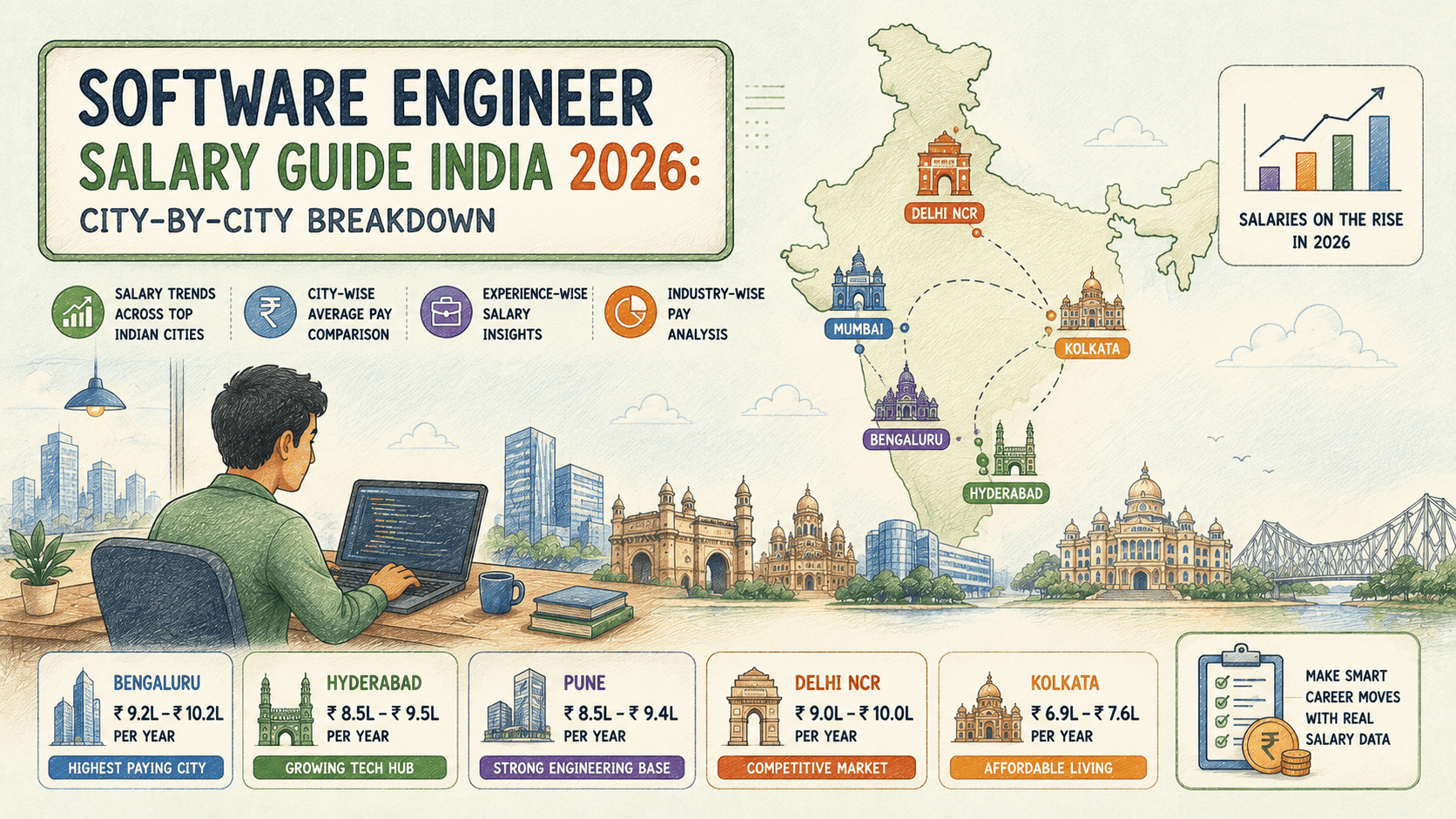
The IT market is booming. The Indian IT industry earned nearly $254 billion in revenue in 2024, employing 5.43 million individuals. This may make hiring for the role easier.
News flash: it is not.
There are many applicants out there, but the real question is how many of them are actually qualified to do the work. It is impossible to distinguish between a backend developer proficient with Spring Boot and a stack engineer well versed in React and working with AWS, but HR departments are often unable to do so due to the extensive candidate pile and the fatigue that follows.
Intuition plays a crucial role in the hiring process, and one wrong decision might cost your company 50% to twice the annual salary due to the expenses associated with the hiring process, including the costs of onboarding, loss of productivity, and elongating the hiring process.
Lastly, there is high turnover; the attrition rate within the Indian IT sector is 23-24%. Startups and large GCCs hiring at high volumes face constant hiring challenges, meaning that they are always making decisions too quickly.
What an AI Recruitment Agency Actually Does for Indian IT Companies
An AI recruitment agency takes care of the initial hiring process: sourcing, scheduling, and conducting the initial interviews via phone screeners, are where AI really shines. Artificial intelligence never gets tired of the number of applications, unlike recruiters.
For technical roles, this is very important. Candidates need to be tested technically, and their skills need to be given a lot of attention. It is crucial whether someone knows Java and can implement CI/CD pipelines, or simply put it in their resume.
AI was integrated with hiring, keeping such challenges in mind. Hyring, for example, is an example of a recruiting service that is especially well-suited for this. Its algorithms know the difference between a Spring Boot backend developer and a full-stack one who is familiar with React and AWS.
When you have thousands of applicants for every position, this level of specification will help narrow 500 resumes down to the 15 people you want to interview.
This solution is becoming essential for fast-growing IT and SaaS companies in India.
The Resume Problem: 64% of Candidates Are Lying
According to recent studies, 64.2% admit to lying or exaggeration on some part of their resume. And in India's IT space, where the years of experience and certifications hold a lot of weight, this can be particularly troubling.
Some of these lies can be overstating years of experience, listing skills that the candidate has only had a one-time go at during a tutorial, or listing projects completed by observing someone else deliver them.
An AI resume screening program detects these issues instantly. This involves checking for timeline inconsistencies, comparing skill sets with the candidate's actual projects, and ensuring the certifications are actually held based on the years worked. The candidates who make it through the screening round are interviewed by hiring managers.
The Proxy Interview Problem (And Why AI Video Catches It)
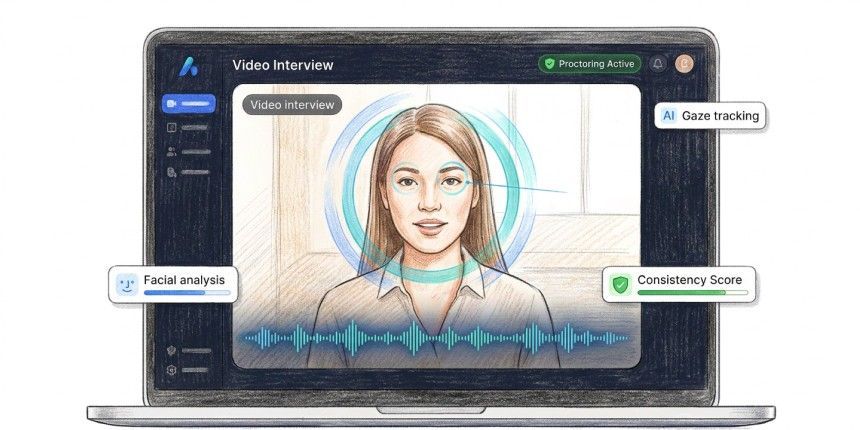
With the growth of virtual interviews, proxy interviewing is becoming a significant problem in the Indian IT recruitment market. This is either by having someone else attend the interview, cheating, or using AI to give answers to questions.
With the help of AI-based interviews, all such signs of cheating are flagged instantly. It detects subtle cues such as eye movements, background activity, and response patterns. These are indicators that the candidate might be somebody else and that a different person will be showing up for work after hiring.
To ensure that all candidates have interview integrity and are vetted properly, it is imperative to have an AI that detects a candidate's body language.