TL;DR
Getting a good data scientist in your team requires significant efforts due to the scarcity within the niche and inflated resumes. Moreover, recruiters have little idea about distinguishing "Kaggle champions" from competent engineers.
AI can resolve all these problems by optimizing the recruiting procedure and rejecting applicants who do not fit.
Why Data Science Hiring Is Broken
Recruitment is struggling to keep up with data science changes. The U.S. Bureau of Labor Statistics says demand for data scientists will grow by 34% by 2032, which is much higher than the average for office jobs.
Each mistake in hiring can cost a lot of money. The main challenge, however, is judging a candidate's knowledge in specific areas.
For example, checking skills in feature engineering or production pipelines need expert knowledge.
Without a data scientist on the interview team, it often comes down to whether candidates know the right buzzwords. Another issue is portfolios. A good Kaggle notebook is nice, but it doesn’t show if someone can handle messy data quickly.
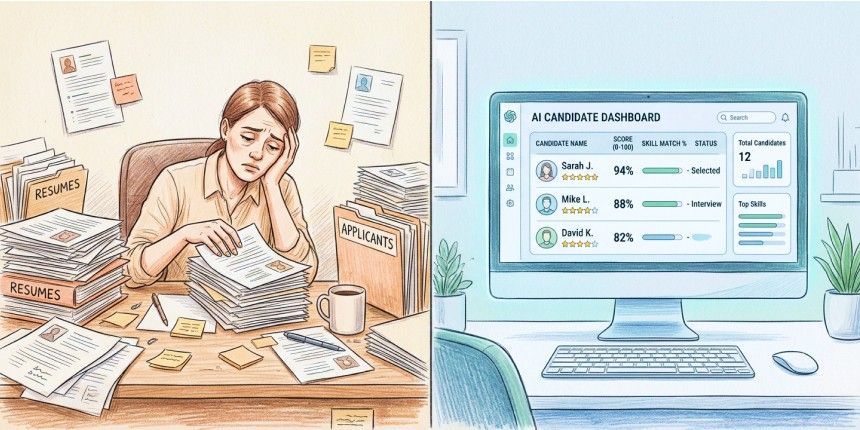
Some people do well with clean data but struggle with dirty data. One job ad on LinkedIn can get over 500 resumes over a weekend. Research shows that accuracy drops off late in a session. In recruitment, the term refers to a recruiter's exhaustion or burnout, leading to a qualified candidate getting rejected.
Beyond the Keyword: How AI-Native Screening Works
Traditional ATS is like a filing cabinet. AI-based ATS is a smart gatekeeper. When you post a job, the AI screening system doesn’t just look for buzzwords like “Python” and “SQL.”
It checks the candidate’s career path against what is needed for success.
For example, if someone claims five years in machine learning but has no proof of real work, the AI will catch that. But a speedy recruiter might just miss it.
The real strength behind AI screening is its consistency. AI looks at the 500th resume as carefully as the first one. This way, every candidate is judged fairly based on the same technical needs.
Another key point is fairness. AI screening uses only professional details, removing biases like education or name. In data science, where different problem-solving skills matter, this leads to better teams.
The 'Padded Resume' Problem in Tech
We need to talk about the main problem when it comes to hiring: people lie on their resumes.
More than 64% of applicants are not honest on a job application. In tech jobs, this usually means "skill inflation."
Someone who helped with an algorithm claims they led it. A short SQL class is called a main skill. A data scientist who exaggerates can cause problems for the whole company.
Overly confident predictions can lead to poor models being used. Plans based on false information can lead to losses that show up months later.
Protecting Your Senior Team’s Calendar
Your data scientists are your most costly workers.
So, making them attend interviews earlier in the pipeline wastes their time. But many companies do this.
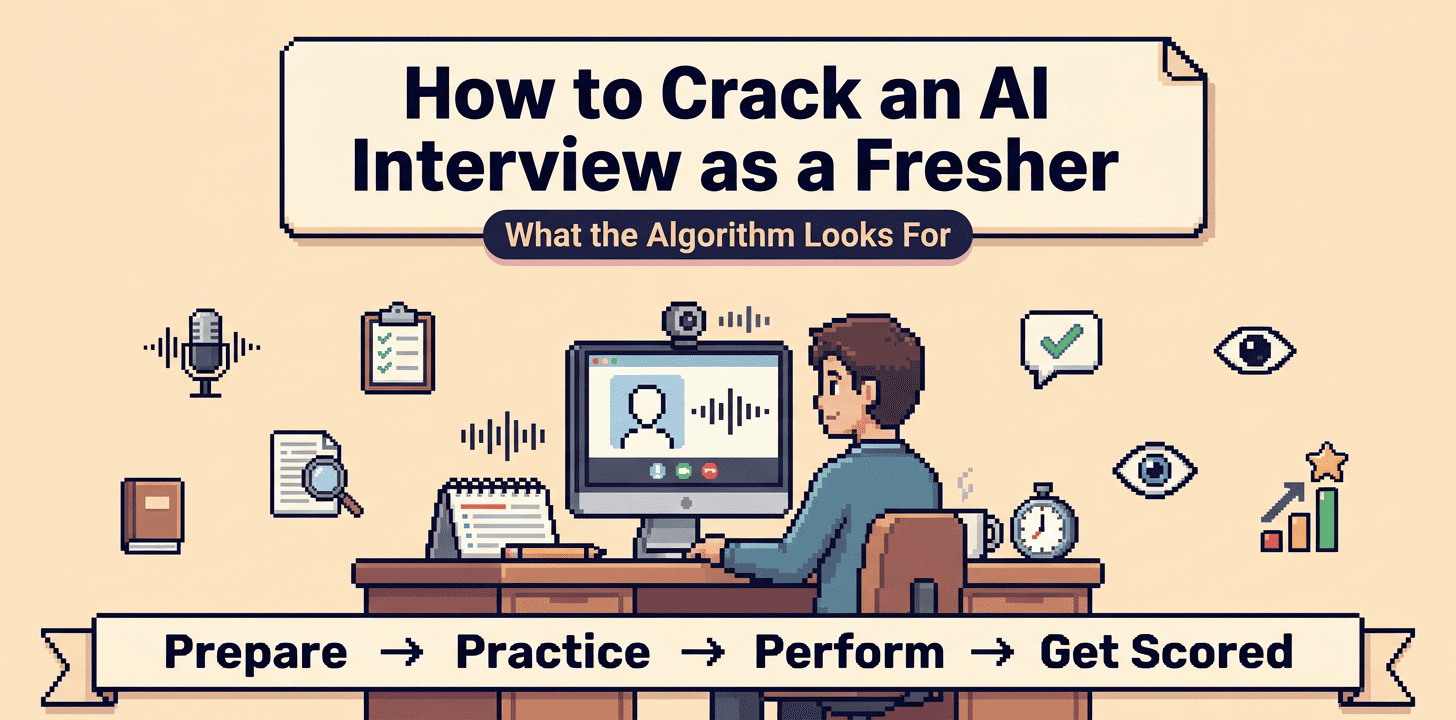
AI video interviewer can filter applicants better because everyone goes through the same interview.
There’s no chatting or talking about anything unrelated.
You want to see how data scientists can solve this problem.
Ask them about class imbalance, model choices, and past issues. Only someone who knows the field can judge these answers.
AI can assess how well candidates communicate and think logically. Hiring managers will look at a list of top candidates instead of hours of video.
Strong proctoring makes the system secure. The platform needs to check if applicants are cheating by looking up answers or using multiple screens. This is very important for problem-solving roles.
Predictive Fit: Finding Long-Term Value
A portfolio is how recruitment worked earlier. Predictive hiring looks at the future.
With data from screenings and interviews, you can see what makes a good data scientist in your company.
These insights come from your own history, not a general template.
There’s no quick fix, but it’s a key predictor. The recruiter’s job changes to choosing the right candidate instead of just getting rid of the wrong ones. This is crucial in data science because even a promising candidate might not add value later if they lack reasoning skills.
According to the U.S. Department of Labor, a bad hire can cost 30% of their first-year salary, which is about $32,000 for a data scientist. This doesn’t include losses from poor decisions they might make.
Key Takeaways
- The talent competition is growing: Data scientist jobs are up by 35%, raising the cost of bad hires.
- Numbers matter more than quality: AI can screen many candidates without getting tired, finding flaws that humans might miss.
- Senior developers are too busy for interviews: Use AI interviews to save their time.
- Verify instead of just trusting: AI checks resumes against facts.
- Predict results instead of guessing: Predictive analytics finds the traits of successful staff to help make better choices.
Frequently Asked Questions (FAQs)
1. Can AI assess a data scientist's technical skills accurately?
AI will find the best matches based on their project history and code work. Their knowledge and skills will be checked through logic and interviews. You still choose the best candidate from the finalists.
2. What about bias in AI hiring?
AI can’t fully stop hiring biases, but it helps by scoring candidates based only on their skills, not their backgrounds. It’s important to keep checking and monitoring the algorithms used.
3. Does this process reduce hiring times?
Yes! Most specialist jobs take weeks to recruit before the first interviews. With AI recruiting tools, you can screen and interview top candidates in just a few hours before making a choice.
4. What exactly is "predictive hiring"?
It's the use of machine learning to match a candidate's assessment data against the profiles of your highest-performing employees. Instead of guessing who looks right on paper, it tells you who is statistically most likely to thrive in your specific environment.
5. What kind of data does AI-native recruiting need to work well?
The stronger your internal data, the sharper the predictions. At a minimum, the system benefits from clear role definitions, performance data on current employees, and structured assessment inputs. Platforms like Hyring can start delivering value with lean data on day one, but accuracy compounds as the system learns your hiring patterns over time