Introduction
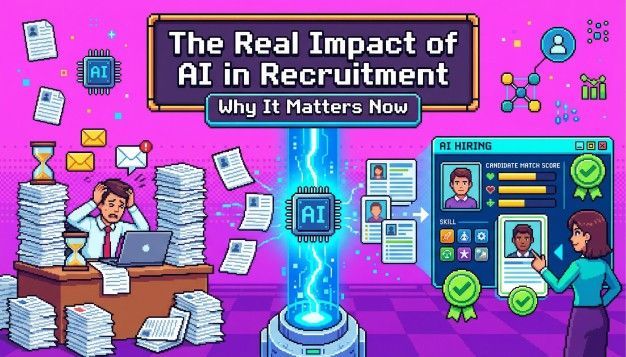
Now, here is what you need to pay attention to. With AI, companies have brought down their screening time by up to 75%.
Not just one or two, human recruiters spend thousands of hours doing the same repetitive tasks. The monotonous work that recruiters do includes scheduling calls, sorting resumes, and conducting first-round interviews. The repetitive work that can be exhausting can be done faster with AI. This can result in lower costs, faster hiring, and better matches.
There is nothing new about AI used in recruitment. It is now taken as an added advantage. The gap that exists between teams employing AI and not is getting wider.
How AI Is Changing the World of Recruiting
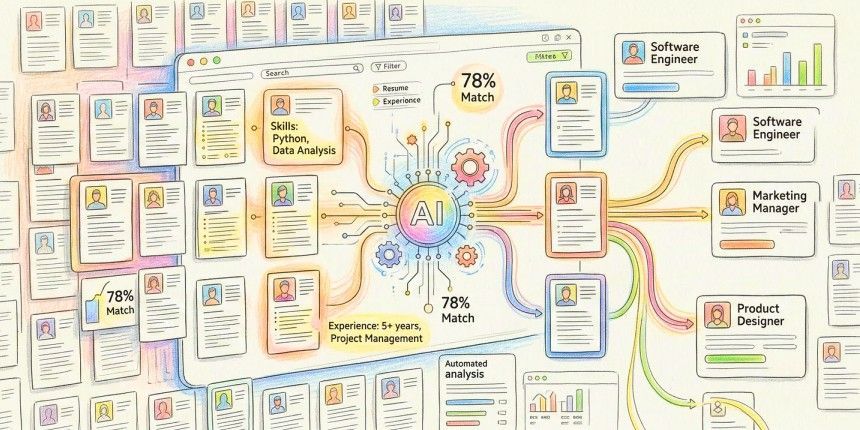
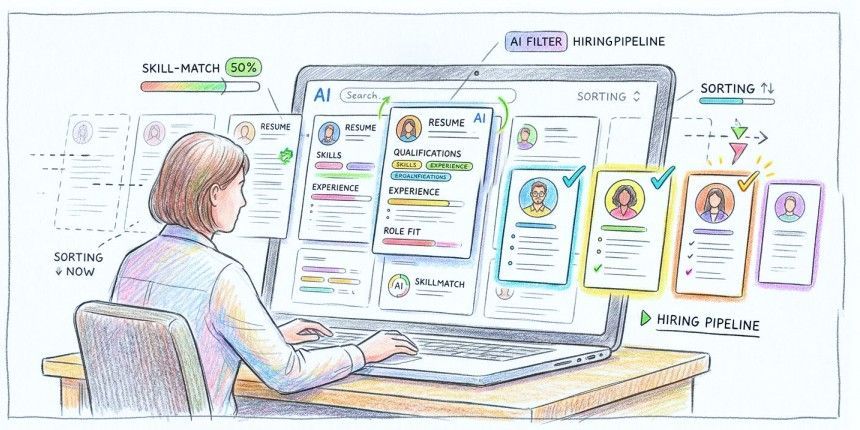
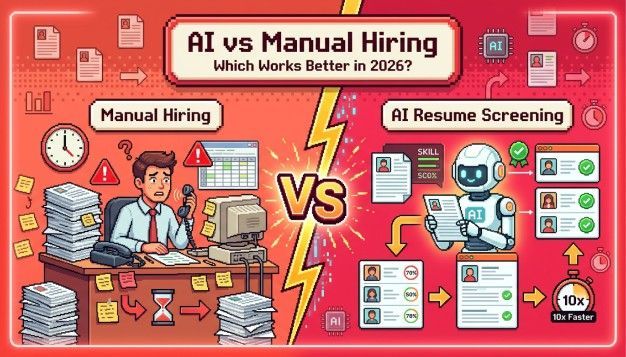
Take resume screening. Reading each one manually is draining. AI scans, ranks, and shortlists resumes in seconds. It looks at skills, experience, and relevance. What took hours now takes minutes.
Then there is scheduling. AI handles the back-and-forth calendar syncing. They find open time slots and send reminders. No more endless email threads.
AI recruiting platforms are also showing up in interviews. Video platforms now use AI to evaluate responses and communication skills. Phone screening tools conduct early conversations, score answers, and flag top candidates. All before a human recruiter steps in.
Here is something that really matters. AI can help reduce unconscious bias. When set up right, it evaluates people on skills and qualifications. Not gut feelings. That leads to more diverse and fair hiring outcomes.
What the Data Says
AI adoption in recruitment is not slowing down, and here are the numbers that substantiate.
A 2024 SHRM survey found that nearly 1 in 4 organizations now use AI for HR activities, including hiring. 62% of talent acquisition professionals feel optimistic about AI in recruitment, according to LinkedIn's 2024 Future of Recruiting report.
Research from Harvard Business School has shown that well-designed automated screening can reduce bias in early hiring stages. For an industry that has struggled with bias for a long time.
The market is growing too. Grand View Research valued the AI recruitment market at around USD 15.24 billion by 2030.
One thing is clear. This is not a trend. It is becoming the norm.
How Recruiters Are Adopting AI
Most recruiters are not making the switch all at once. They are starting small.
Resume screening is usually the first step. It is easy to set up, and the time savings are instant. Upload a job description. Let the AI do the sorting.
Next comes candidate communication. AI recruiting software sends status updates and schedules interviews. Candidates stay informed, and recruiters stay focused.
AI-powered interviews are gaining ground, too. Coding challenges, language evaluations, and skills tests are all scored automatically. Recruiters only spend time on candidates who have already been vetted.
AI Video and AI phone interviews are also picking up. These tools conduct structured interviews. They record responses, and they generate reports. Recruiters review a summary instead of sitting through every early-stage call.
The answer is balance. Let AI handle the volume. Let humans handle the connection.
How Hyring Checks the Boxes
This is where Hyring fits in. It is a recruitment platform powered by AI. It brings everything a hiring team needs into one place.
There is an AI Video Interviewer. It conducts interviews, records them, proctors them, and evaluates candidates. It also has a conversational AI layer. So video interviews feel less robotic and more like real conversations. Candidates actually engage instead of talking into a screen.
For early filtering, the AI Phone Screener picks up the phone. It talks to candidates, evaluates their answers, and scores them. The AI Resume Screener goes through applications, ranks them, and highlights the best fits, fast. No manual sorting needed.
Hiring for tech roles? The coding interview tool runs live coding sessions and puts together detailed reports. There is even an English proficiency assessment test for checking communication skills. All of this lives in one platform. No juggling five different tools.
That is what makes Hyring stand out; it keeps things simple. One login, one dashboard, and one workflow. Recruiters do not have to waste time switching between platforms or stitching tools together.
The conversational AI is worth calling out again. Most platforms just record answers. Hyring makes it feel like an actual back-and-forth. That changes the candidate experience. People feel heard. They stay engaged. They are less likely to drop off midway.
For teams hiring across roles or at volume, this setup saves real time. Screening, interviews, and assessments all happen in the same place. No extra steps. No duplicate work.
It is not about replacing a recruiter's gut feeling. It is about giving them sharper tools so they can make better calls, faster.
Conclusion
AI in recruitment is not coming. It is already here.
The data support it, and the tools are ready. Recruiters across industries are seeing real results.
This is not about removing the human side of hiring. It is about giving recruiters more room to do what they are best at. Building relationships, understanding team dynamics, and making thoughtful decisions.
Platforms like Hyring are making this shift practical and accessible. Whether it is screening, interviewing, or evaluating skills, AI is helping teams hire better and faster.
The companies that move now will lead. The ones who wait may find it harder to catch up.
FAQs
1. How does AI improve the recruitment process?
It speeds up resume screening, sourcing, and scheduling. Recruiters save time on manual tasks and focus more on evaluating and engaging candidates. This means faster hires and a better experience for everyone involved.
2. Can AI replace human recruiters?
No. AI supports recruiters. It does not replace them. Human judgment is still critical for culture fit, relationship building, and final decisions. The best results come when AI handles the volume, and humans handle the conversations.
3. Is AI in recruitment biased?
When built and configured well, AI actually helps reduce unconscious bias by focusing on skills and qualifications. Regular audits and diverse training data keep the system fair and reliable.
Resume screeners, chatbots, video and phone interview platforms, coding assessments, and language proficiency tools are among the most common. Many companies use a mix of these depending on the roles they hire for and the volume they deal with.
Hyring combines video interviewing, phone screening, resume analysis, coding interviews, and language testing in one platform. It reduces the need for juggling multiple tools. Everything lives in one place, so your team spends less time switching between systems and more time making good hires.