
TL;DR
Recruitment fraud has evolved from simple lies on a resume to sophisticated technological affronts. Recent data by Gartner predicts that by 2028, one in four candidate profiles will be proven fake. From deepfake video overlays to invisible browser extensions that solve code in real-time without recruiters being the wiser, candidates are finding new and innovative (can’t believe I am saying this) ways to beat the system.
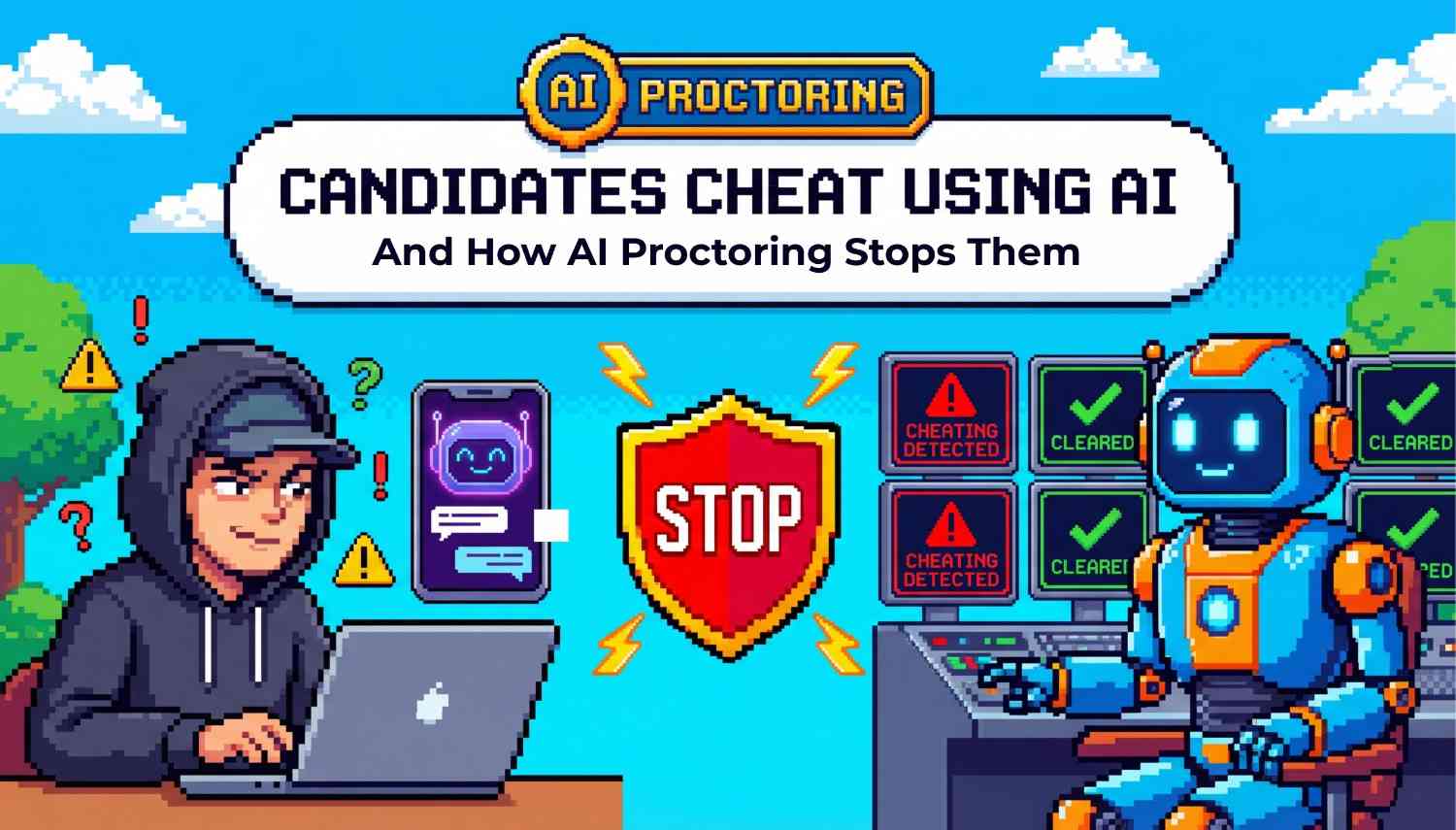
AI Proctoring is currently the most effective virtual defense system, offering real-time detection of unauthorized tools, and gaze-aversion (Hyring’s Video Interviewer is one among the few to have it.) This article covers the 7 most common cheating methods and how platforms like Hyring secure the process.
The Global Cheating Epidemic: Why AI Proctoring is Essential
The recruitment landscape has shifted drastically. A recent study by ResumeTemplates revealed that 7 in 10 recent job seekers admitted to cheating during the hiring process, with 22% specifically cheating on online assessments. This isn't just about candidates embellishing their experience, but it is about using generative AI to bypass technical screens entirely, which reduces fairness and diminishes the role of the very same human ingenuity that invented it.
Major tech giants like Google and Amazon have reportedly begun reverting to in-person interviews to combat this wave of high-tech fraud. However, for most companies that prioritize remote work, flying candidates out doesn’t make business sense.
This is where AI Proctoring becomes the critical line of defense in this battle against deception in recruitment. Without intelligent monitoring, companies risk hiring "ghosts" – applicants who pass the test but are inept at doing the job at hand.
7 Ways Candidates Are Using AI to Cheat
Candidates are using tools that are often faster and smarter than the average human interviewer. Here is how they are doing it.
1. The Invisible Browser Overlay
Technical candidates often use browser extensions like "Interview Coder" or "Leetcode Wizard" that sit silently on top of their coding window. These tools scan the text of the coding problem and instantly overlay the correct solution directly onto the screen, unbeknownst to the recruiter and invisible to standard screen-sharing algorithms as well.
The candidate simply types what they see, appearing to solve complex algorithms in seconds without ever looking away from the screen. With the advent of AI browsers like Perplexity’s Comet and ChatGPT’s Atlas, the problem has only exacerbated.
2. The Deepfake Doppleganger
Identity fraud has reached a fever pitch with deepfakes. The FBI in the USA has issued ample warnings regarding candidates using stolen personally identifiable information (PII) and deepfakes to apply for remote IT positions. In these scenarios, the person on the video interview uses a real-time AI filter to wear the face of a different person (sans detection), often bypassing background checks or hiding their true location (fake GPS).
3. Audio Jacking and Real-Time Transcription
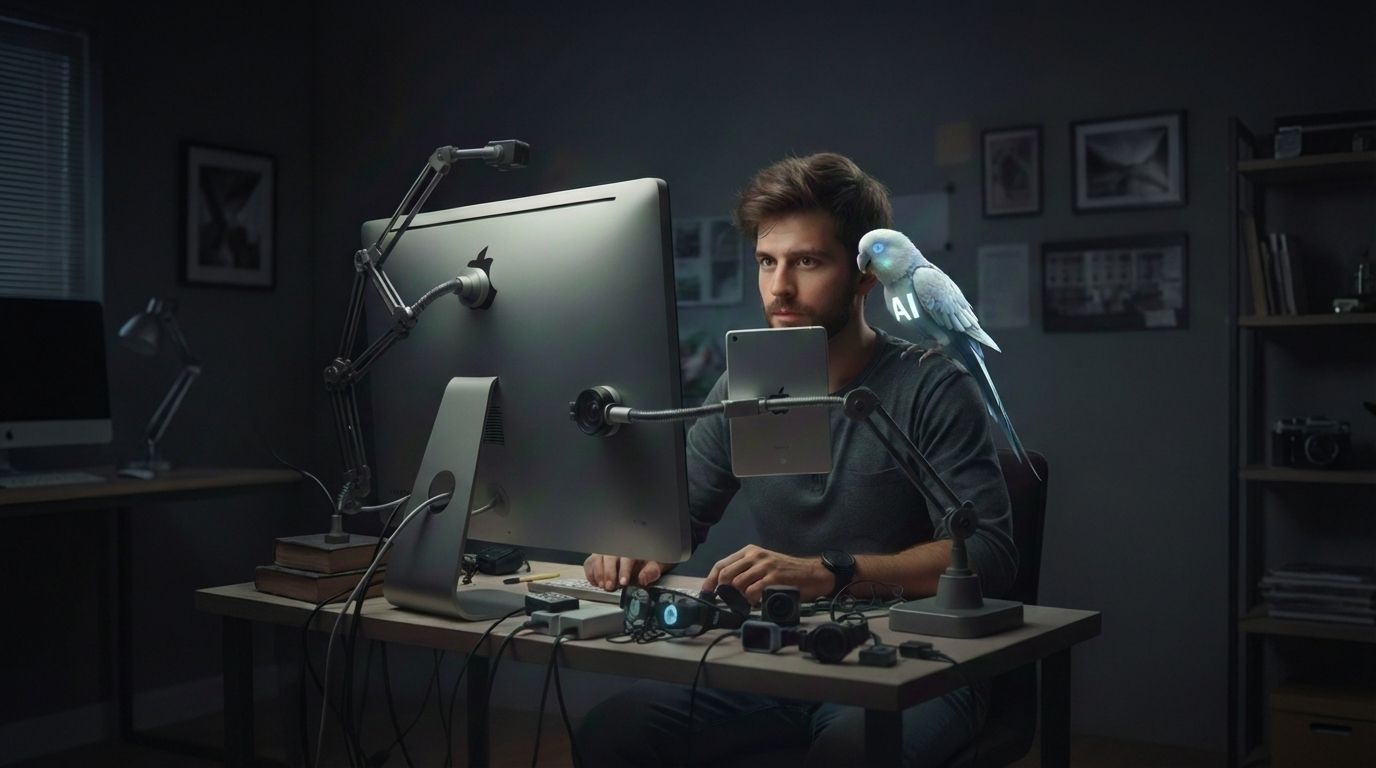
Some candidates are clever enough to route their system audio (or better still, it just listens in the background) into an LLM (Large Language Model) such as Parakeet AI to get instant answers. As the interviewer speaks, the tool transcribes the question and feeds it into a GPT model, which generates a text response in a jiffy. Surveys show that 44% of candidates who cheated used some form of external text assistance, where they were being fed answers during interviews.
4. The "Lip-Sync" Proxy
Proxy interviewing involves a qualified expert answering questions while a less qualified candidate is fielded in front of the camera. Using high-fidelity audio software, the "expert" speaks into a microphone connected to the video feed, while the candidate on the screen simply moves their lips. The expert, of course, is paid for their troubles.
Gartner reports that "proxy interviews" are a growing threat, with fraudsters using these tactics to land high-paying roles they are unqualified for.
5. The Teleprompter Glare
This tech is perceptibly less intelligent yet highly effective, where candidates place a script or AI generator on a monitor directly behind their webcam. They maintain a fixed, unnatural stare at the camera, often mistaken for confidence, maybe even parallax, while actually reading a stream of generated text.
This "teleprompter effect" is a key behavioral cue that human interviewers miss, but AI Proctoring algorithms can flag by tracking micro-eye movements. Hyring does this too.
6. Remote Desktop Ghost-Coding
In technical assessments, candidates may be granted remote access to a third party using tools like TeamViewer or hidden background scripts. While the recruiter watches the candidate's screen, a ghost-coder looming in the background whispers of virtual mist is actually moving the cursor and writing the code. This method is particularly hard to detect without software that monitors background processes and input sources.
7. The Wearables
Candidates often use secondary devices placed just out of the camera's view to bypass screen locks. By using a smartwatch or a tablet propped up against the screen, they can photograph a question and receive an answer without even having to touch their computer. This creates a duplicate ‘second screen’ experience that standard browser lockdowns cannot prevent, requiring gaze-tracking technology to detect which too, Hyring provides in its Agentic AI Proctoring Software.
How AI Proctoring Restores Integrity
The only way to combat AI-driven cheating is with AI-driven combating. Manual observation is no longer enough to catch the subtle flickers of a deepfake or the micro-delays of an audio transcriber.
AI Proctoring tools provide a sturdy shield against these questionable tactics. By monitoring for multiple faces, unauthorized browser tabs, anomalies in eye gaze, and suspicious audio patterns, Hyring ensures that the person passing the test is the person you actually need to end up hiring. Other tools are available in the market that do the following operations as well -
- Environment Scanning: Detects if there are other voices or people in the room assisting the candidate.
- Focus Tracking: Flags when a candidate leaves the testing window or uses copy-paste functions if at all required to.
It was also seen in a survey by Gartner that 30% of enterprises are expected to lose faith in verification checks by 2026 due to the rise in the use of deepfakes.
Ready to secure your hiring process? Check out Hyring's AI recruitment software here.
Summary
The statistics are alarming. As candidates adopt "god-mode" tools to cheat in interviews, companies relying on standard video calls are leaving themselves vulnerable to fraud and, by extension, ineptitude, and also unskilled hires.
- Cheating methods now include deepfakes, real-time coding overlays, and audio jacking.
- AI Proctoring is the essential countermeasure to verify true skill and identity.
- Platforms like Hyring offer the necessary technology to detect these frauds without compromising the candidate experience.
Using AI Proctoring isn't about mistrust but in fact, it's about ensuring fairness and giving meritocracy a chance. It ensures that the job goes to the candidate who actually is suitable, not the one with the best defrauding software.
FAQs
1. What exactly is AI Proctoring?
AI Proctoring uses artificial intelligence to continuously monitor test-takers and interviewees for suspicious behavior. It analyzes video, audio, and screen activity to detect cheating methods like gaze aversion, unauthorized browser extensions or subjugations, or the presence of other people in the room.
2. How common is cheating in remote interviews?
It is now very common, so much so that recent studies indicate that 71% of recent job seekers unflinchingly admitted to cheating during the hiring process, with methods ranging from simply Googling answers to using AI text generators and beyond.
3. Can AI Proctoring detect deepfakes?
Yes, mostly, and it depends on the AI in usage. Some AI Proctoring tools analyze pixel-level data and audio-visual synchronization to detect the artifacts created by deepfake algorithms.
4. Is using ChatGPT during an interview considered cheating?
Most employers consider it cheating if the candidate passes off AI-generated answers as their own (I mean, should this even be in doubt?). However, some companies allow it if the test is designed to evaluate how well a candidate uses AI tools (which is part of the job description), provided it is disclosed in prior.
5. Does AI Proctoring record the candidate's screen?
Typically, yes. During technical assessments, the system records the entire screen to ensure the candidate isn't using ghost-coding tools or copy-pasting code from external sources. This is irrespective of the mode of interviewing.
6. Why are companies moving back to in-person interviews?
Due to the rise in AI-enabled cheating, companies like Google and Amazon are reverting to in-person rounds to guarantee the candidate's identity and skill level (and prevent operational faults due to a lack of skills in hires). AI Proctoring offers a fantastic remote alternative to this logistical challenge.
7. Is AI Proctoring legal and ethical?
Yes, provided that candidates are informed about the monitoring and consent to it (to avoid breach of privacy laws). It promotes ethical hiring by ensuring a level playing field for honest candidates who don't use cheating tools.