Rootle AI VS Hyring
Rootle AI vs Hyring:
A Detailed Comparison
Written on: 02 Mar 2026
Last updated: 02 Mar 2026

Written by
Rakesh Kumar

Fact Checked by
Surya N
Table of Contents
- An Overview
- Why Hiring Teams Migrate From Rootle AI To Hyring
- Rootle AI vs Hyring - Metrics Comparison
- Ecosystem: Products & Hiring Workflow
- Rootle AI vs Hyring: A Snapshot
- How Hyring Outperforms Rootle AI
- Conversational AI Interviewing
- Candidate Authenticity & Proctoring
- Scoring, Fairness & Bias Reduction
- Assessment Types & Role Coverage
- Scheduling & Automation
- Reporting & Hiring Analytics
- Global Hiring & Accessibility
- The Human Touch: Rootle AI vs Hyring
- UI UX Experience
- Recruiter Experience
- Candidate Experience
- Security & Compliance
- Cost & Pricing Structure
- Conclusion: Which is the Best AI Interviewer?
- Frequently Asked Questions
An Overview
When recruiters consider alternatives to Rootle AI, a few gaps tend to surface quickly. They want more than just phone-based screening. They need video and coding assessments, built-in proctoring, and ATS connectors that allow them to act on results without switching tools.
Rootle AI handles voice-based calling well. It can screen candidates over the phone in multiple languages, handle follow-up questions, and push outputs to CRM or ATS systems. Where it falls short is everything beyond the phone call: video interviews, coding tests, resume screening, and documented fraud detection are not part of its public product offering.
Hyring's product area covers the full screening pipeline, from resume review to video, phone, and coding assessment, with structured scoring and ATS handoff built in. The two platforms are not direct competitors in the traditional sense. One is a voice calling tool with recruitment use cases. The other is a hiring platform. For teams actively weighing Hyring vs Rootle AI, that distinction shapes everything about how they evaluate the two.
Why Hiring Teams Migrate From Rootle AI To Hyring
Rootle AI is marketed primarily as a voice AI tool. Phone-based pre-screening is its core strength, and it also serves as a customer support automation platform. This positioning makes it effective for initial outreach and voice-based filtering, but it leaves a significant gap for teams running structured hiring pipelines.
Recruiting teams that need video interviews, coding assessments, resume parsing, and proctoring documentation end up looking for Rootle AI alternatives. There is no publicly listed help center, no confirmed live chat for recruiter support, and updates come quarterly rather than monthly. Security certifications such as SOC2 or ISO 27001 are also not publicly documented for Rootle AI.
When teams outgrow phone screening and need a full-cycle, recruiter-facing platform, Hyring is where they typically land. As one of the more complete Rootle AI alternatives available for structured hiring, Hyring covers the entire pipeline from first screen to ATS handoff.
Rootle AI vs Hyring - Metrics Comparison


Ratings change over time. Review live pages for the latest updates.
Ecosystem: Products & Hiring Workflow
This section outlines how Hyring and Rootle AI structure their product ecosystems and how candidates move through each platform's workflow, based on publicly available product information from their websites.
Hyring Review
Product Ecosystem
Hyring's ecosystem is built around end-to-end recruiting and screening workflows. Its core products include:
AI Video Interviewer
Asynchronous and live two-way video interviews with dynamic follow-up questions, delivered via video interviewing platform.
AI Phone Screener
AI Coding Interviewer
AI Resume Screener
English Proficiency Test

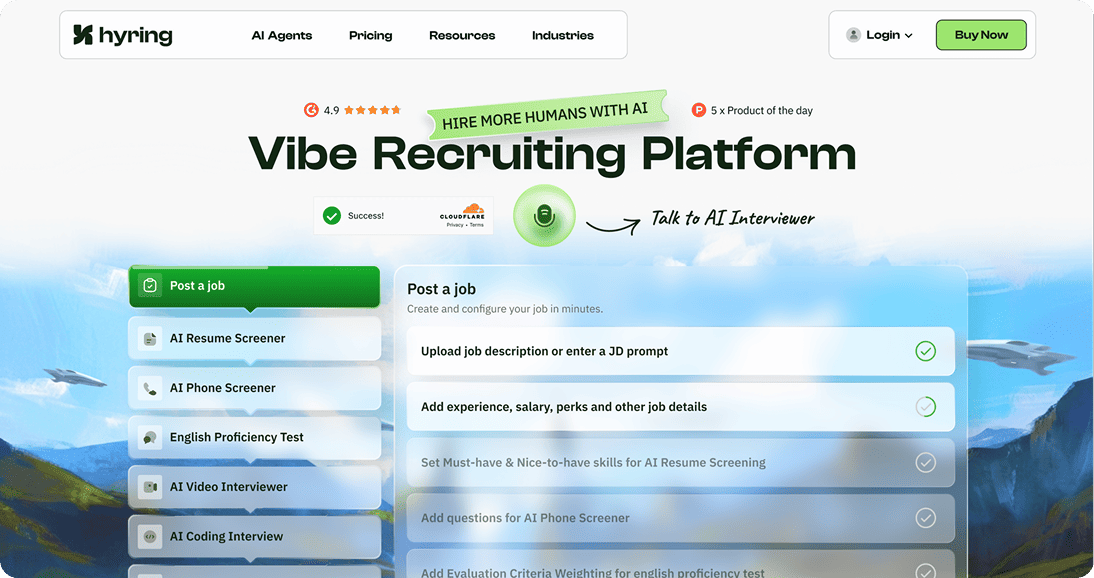
Together, these products form a unified screening-to-hire system built around operational recruiting teams.
Brief
Hyring is an AI interviewing software built for recruiters who need speed without losing control. On G2 and Capterra, users commonly highlight how it reduces early-stage screening time and surfaces stronger candidates earlier in the funnel.
PROS
- Cuts early-stage screening time significantly
- Consistent, structured interview formats
- Proctoring signals are visible directly in recruiter reports
- Clear score summaries for hiring managers
- Quick to deploy for recruiting teams
CONS
- Less suited to very small teams
- Best ROI at moderate to high interview volumes
- Not a replacement for a full ATS
TAKEAWAY
Hyring is seen as a dependable, recruiter-friendly platform for teams and MNCs hiring at scale. Speed, structure, and human oversight all sit together in the same tool.
Rootle AI Review
Product Ecosystem
Rootle AI's ecosystem is built around voice-first automation. Its two primary use cases are:
Recruitment Assistant
Automatically calls and screens job candidates using preset interview questions in real-time, human-like conversations across multiple languages.
Customer Support Agent
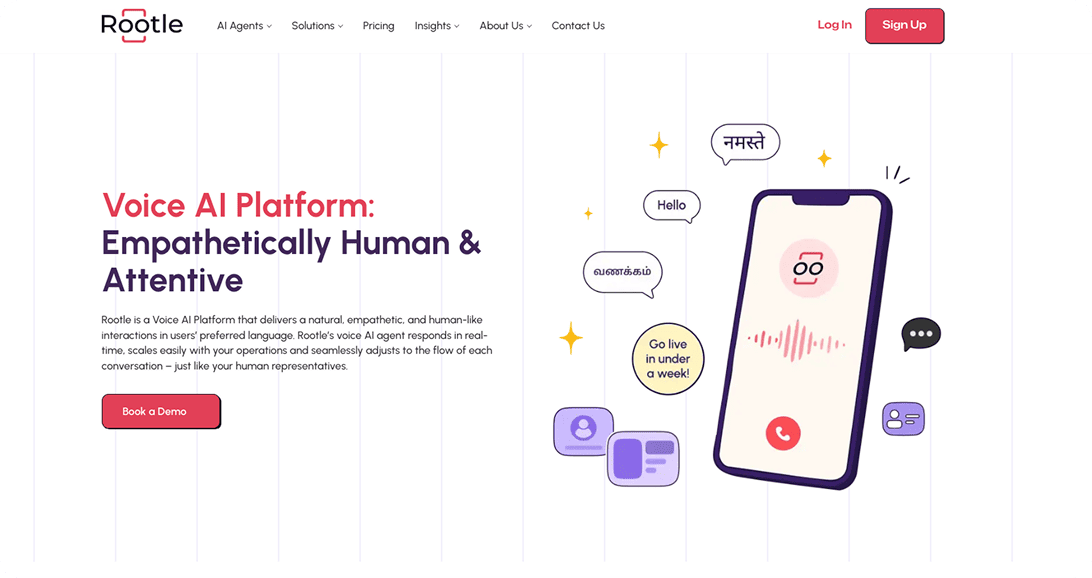
Beyond these, Rootle AI offers scheduling within its recruitment flow, analytics reports with transcripts, and integration into CRM and ATS systems. API and webhook access are available on its Scale plan.
Brief
Rootle AI is a voice AI platform focused on reducing the time spent on initial phone-based candidate outreach. It is positioned for teams that conduct high volumes of phone pre-screens, particularly in multilingual hiring contexts. Feedback on G2 points to its ease of use in voice-first recruitment flows.
PROS
- Handles multilingual phone screening
- Automates outbound candidate calling
- Conversational and natural-sounding voice interactions
- Scheduling capability included in recruitment workflow
CONS
- No video interviewing
- No documented coding or role-based technical assessments
- Proctoring and fraud detection are not publicly outlined
- Support documentation and live chat are not confirmed publicly
TAKEAWAY
Rootle AI performs well for phone-based pre-screening and outreach automation. For teams that need structured, full-cycle hiring workflows beyond the phone call, it is a narrower tool than most recruiting operations require.
Bottom Line
Hyring's ecosystem is structured and covers the entire recruiting pipeline, from resume to video, phone, coding, ATS handoff, and beyond.
Rootle AI's ecosystem is centered on voice AI and is best suited for phone screening and customer support automation.

Hyring excels at: Full-cycle recruiter screening, fraud detection, role-based assessment, and fast ATS integration.
Rootle AI excels at: Automated phone outreach, multilingual voice screening, and voice-based customer support.
The ecosystems serve fundamentally different workflow priorities. For teams running structured hiring pipelines and evaluating Hyring vs Rootle AI, Hyring is the more complete solution.
Rootle AI vs Hyring: A Snapshot
Feature / Capability
Rootle AI
Conversational AI interviewing (dynamic, two-way)
Dynamic follow-up questions
Candidate authenticity and remote proctoring
Not stated
Liveness checks and proctoring signals
Not stated
Coding and role-based assessments
Not stated
Language and communication testing
Automated scheduling / calendar sync
Hiring analytics and reports
ATS / HRIS integrations and public API
SOC2 and ISO 27001 enterprise security
Not stated publicly
Custom branding and candidate experience
Not stated
Accessibility and global support
Support and onboarding
Not stated
Video Interviewer
Phone Screener
Resume Screener
Not stated publicly
Coding Interviewer
Not stated
Proctoring
Not stated
As audited on 30th January 2026.
How Hyring Outperforms Rootle AI
Conversational AI Interviewing

Hyring
One-way and two-way video interviews with dynamic follow-up questions that adapt to candidate responses. Scoring goes beyond keywords and looks at speech patterns, content depth, and role fit. This matters in high-volume roles where structured screening needs to be consistent across every candidate.
Rootle AI
Rootle conducts real-time voice conversations using preset questions and adapts based on what the candidate says. This works well as a phone pre-screen. But there is no video format, no live two-way video option, and no documented mechanism for technical role-based screening beyond the voice call.
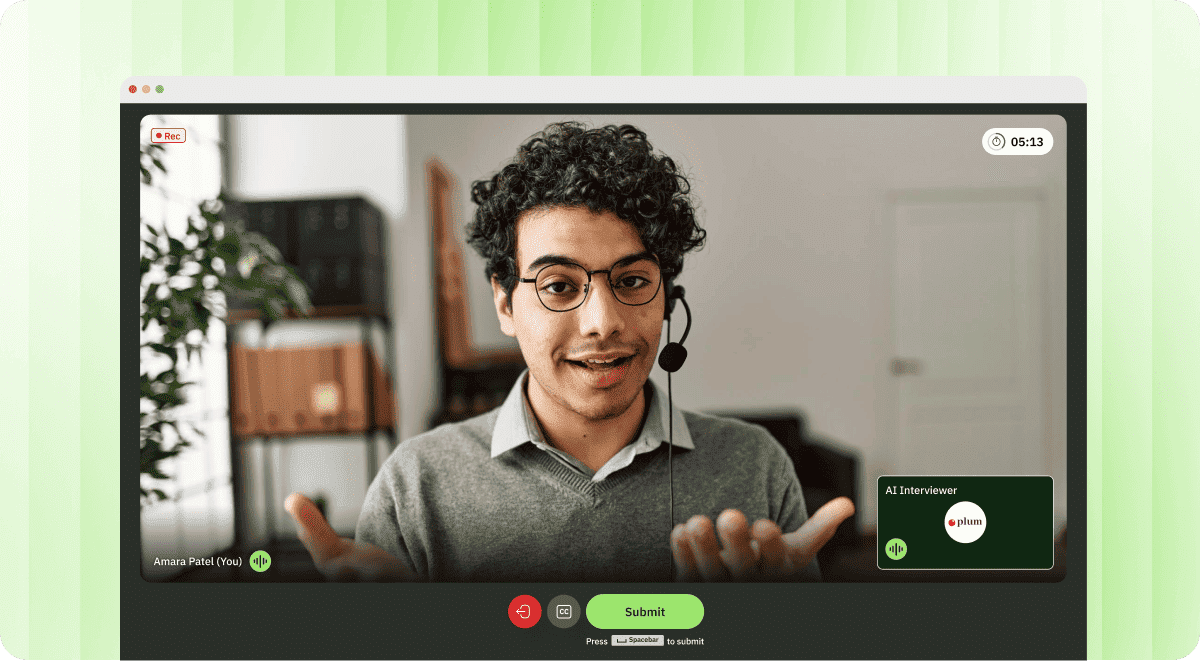
For teams that need structured, multi-format conversational screening with documented scoring, Hyring is the more capable platform. It is a meaningful upgrade for teams considering Rootle AI alternatives with broader interview format support.
Candidate Authenticity & Proctoring
Hyring
Hyring captures specific proctoring events during interviews: tab changes, external monitors detected, face out of frame, multiple faces or voices, plagiarism signals, and more. Each of these events appears directly in the recruiter's report. Recruiters can then focus their manual review on flagged interviews rather than watching every recording in full. Hyring's desktop app also detects sophisticated cheating tools like Parakeet AI and Cluely, which standard browser-based proctoring often misses.
Rootle AI
Rootle AI's public documentation does not describe proctoring capabilities. Since Rootle's interviews happen over the phone, the fraud detection requirements differ. For recruiting teams that need documented authenticity signals during screening, the absence of any stated proctoring is a meaningful gap.
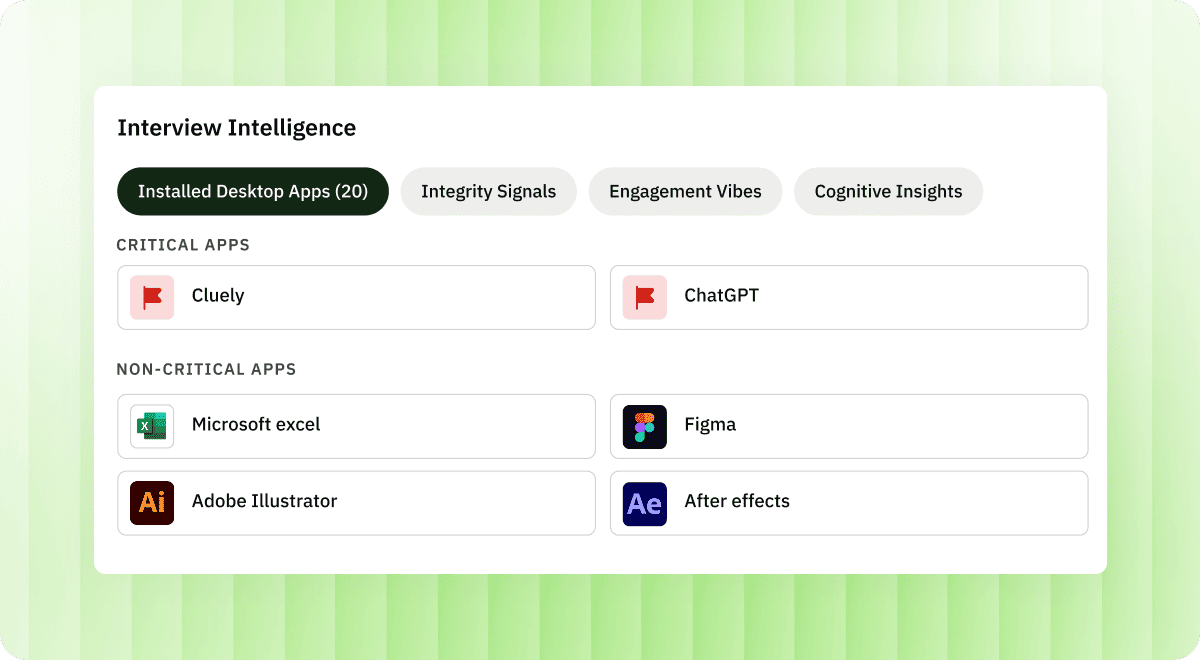
Hyring provides transparent, recruiter-facing proctoring signals built specifically for hiring workflows. For teams where interview integrity matters, Hyring is the clear choice when evaluating Rootle AI alternatives.
Scoring, Fairness & Bias Reduction
Hyring
Hyring uses structured scoring with human override, competency-by-competency ratings, full transcripts, and weighted question controls to support bias mitigation. Recruiters can trace every score back to a specific question and answer. That traceability matters when hiring decisions are reviewed internally or externally.
Rootle AI
Rootle AI provides analytics reports and transcripts after each call. A structured scoring framework with role-based competency ratings and bias controls is not documented publicly for Rootle.
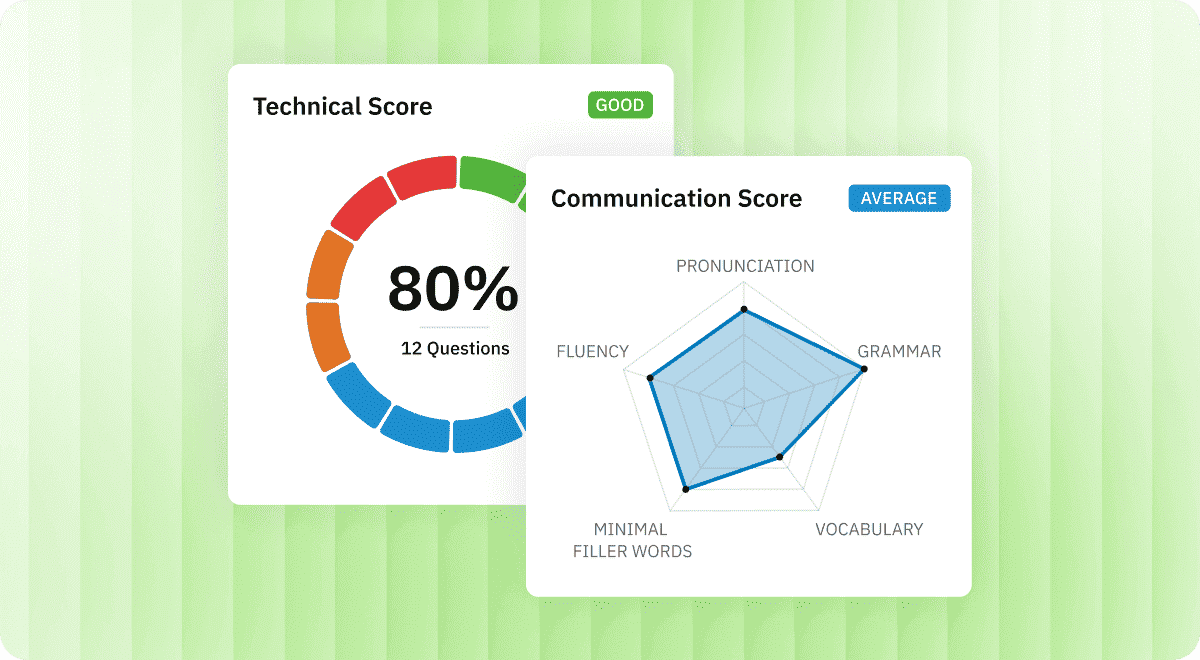
For recruiters who need auditable, role-based scoring they can defend, Hyring is the better-suited platform.
Assessment Types & Role Coverage
Hyring
Hyring supports developer roles through its AI Coding Interviewer, customer-facing roles via the English Proficiency Test, and scenario-based formats for operational and sales positions. Templates are available for entry-level through senior-level hiring.
Rootle AI
Rootle's strength is phone-based screening. Coding assessments, resume parsing, and role-specific structured formats are not listed in its public product documentation. If your hiring spans developers, sales reps, customer support agents, and operations staff, Hyring covers each format with dedicated tooling. Rootle AI handles phone pre-screening across those roles, but not the assessment layer. Teams evaluating Rootle AI alternatives for diverse role coverage will find Hyring a natural fit.
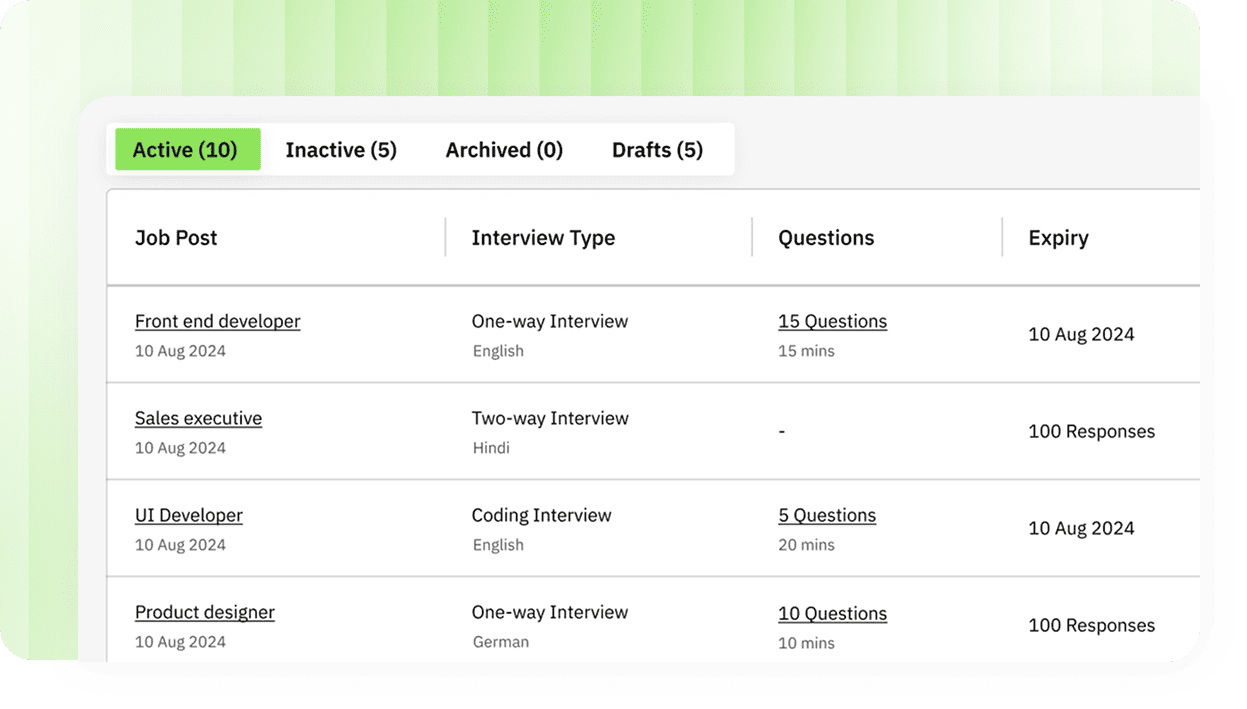
Hyring offers a broader range of assessment formats and is the more practical Rootle AI alternative for diverse hiring roles.
Scheduling & Automation
Hyring
Built-in scheduling automation with an API to push and pull candidates and results into ATS workflows. Bulk invite and reminder features are available for high-volume campaigns.
Rootle AI
Scheduling is listed as a recruitment capability within Rootle's voice flow. The depth of scheduling automation, ATS integration specifics, and bulk invite features are not publicly detailed beyond the Scale plan's API and webhook access.
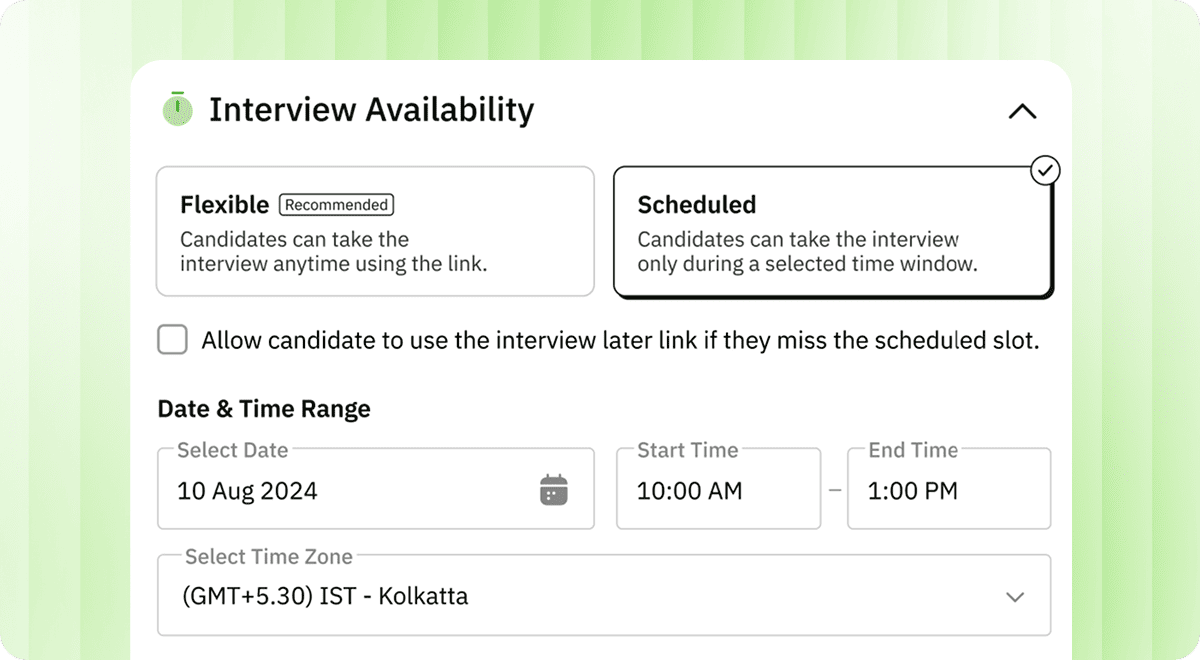
Hyring's scheduling and automation are documented, recruiter-facing, and designed for high-volume pipelines. It is the stronger option for teams that run campaigns at scale.
Reporting & Hiring Analytics
Hyring
Hyring's reports are designed for hiring decisions. They include structured scores, proctoring flags, video recordings, transcripts, sentiment analysis, cognitive insights, and engagement signals. A hiring manager can look at a Hyring report and make a call without digging further.
Rootle AI
Rootle AI promotes detailed analytics reports with transcripts after each call. These are useful for understanding screening outcomes but are not paired with proctoring signals, video, or role-based scoring structures.
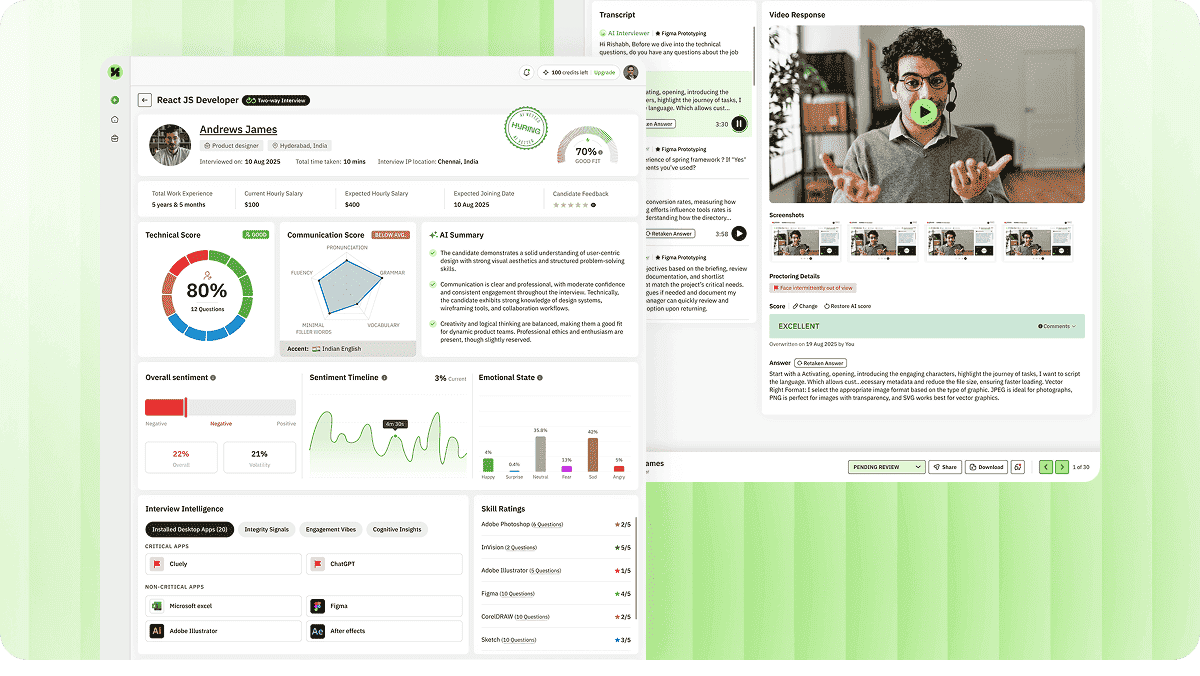
For recruiters who need reports that lead directly to decisions, Hyring's output is more actionable. This is one of the clearest separators in the Rootle AI vs Hyring comparison.
Global Hiring & Accessibility
Hyring
Hyring supports multilingual interviews across more than 10 languages and is optimized for mobile candidate flows, making it accessible for global teams regardless of where candidates are based.
Rootle AI
Rootle AI emphasizes multilingual voice conversations as a core capability and has a presence in India and other global markets. For teams whose primary touchpoint is phone-based multilingual outreach, Rootle handles this well.
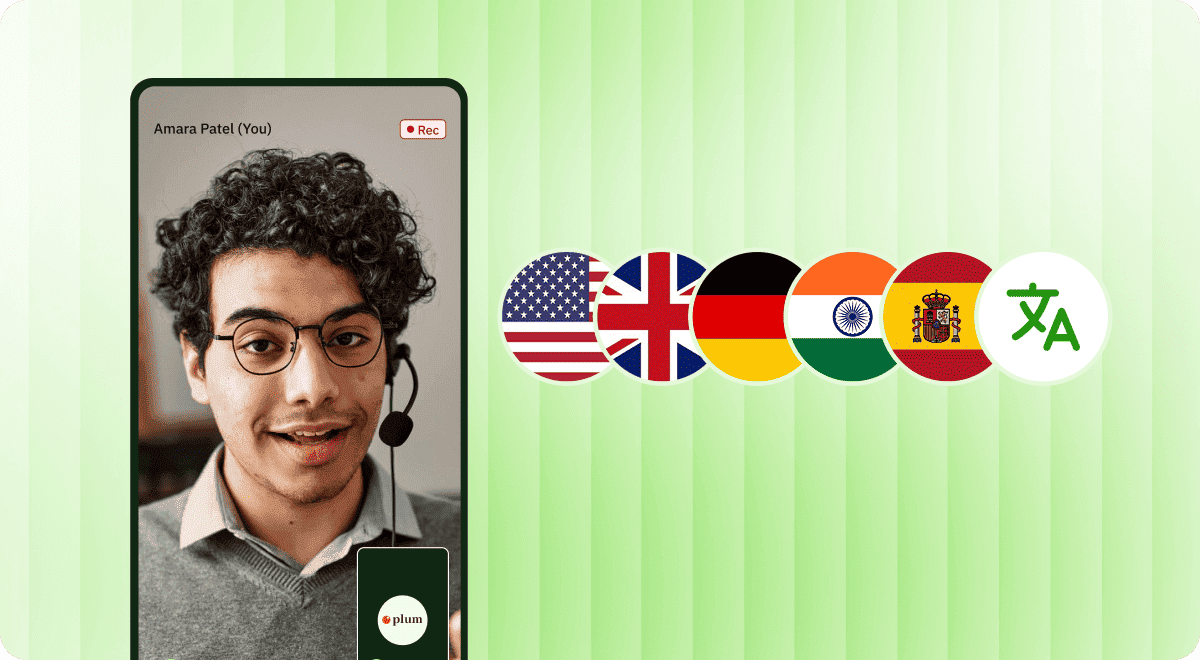
Both platforms support global and multilingual hiring. This is a tie for teams whose needs sit in the phone screening layer.
The Human Touch: Rootle AI vs Hyring
Hyring
Hyring is designed to keep people in control at the moments that matter. Proctoring flags are surfaced to the recruiter for human review. Scores can be overridden. Hiring managers step in before a final decision is made. These handover points are built into the product.
Rootle AI
Rootle AI automates the outbound call and the initial conversation. For many teams, this is a time-saver, but the workflow documentation around human review, scoring override, and recruiter handoff is limited in public materials.
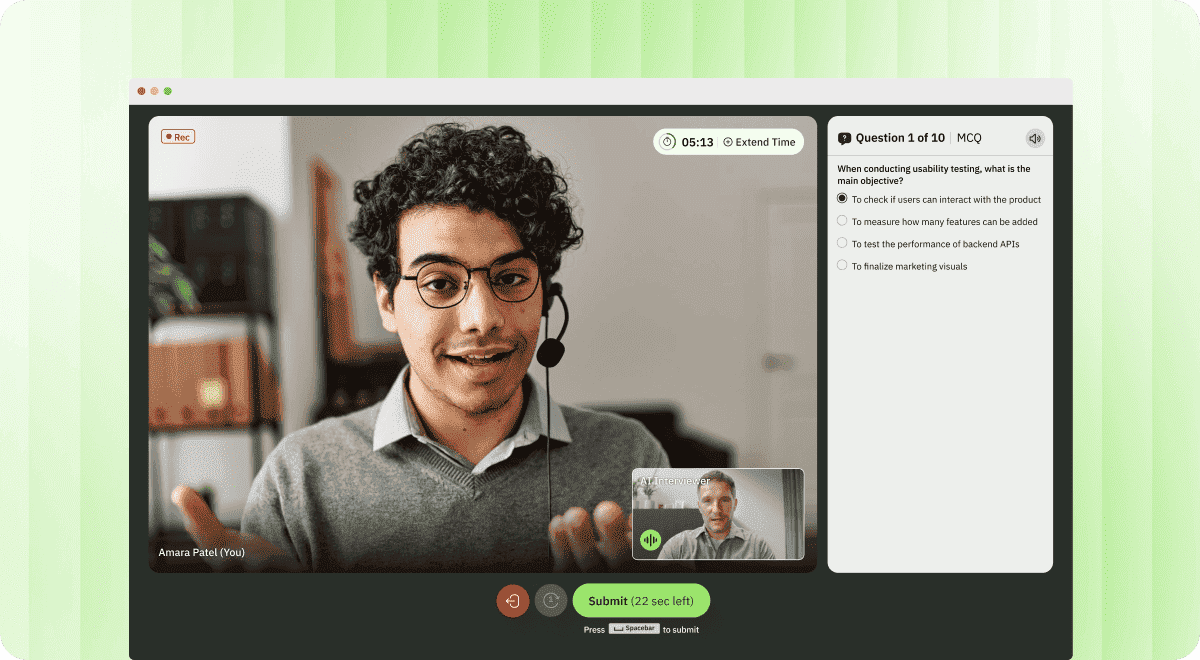
Hyring is the more trusted option for organizations that want AI-assisted hiring without handing control entirely to automation.
UI UX Experience
Recruiter Experience
Hyring
Hyring's platform includes a recruiter dashboard, interview templates, and a short learning curve for building and launching interview flows. A help center, onboarding documentation, and live chat support make it easy for recruiting teams to get up and running without extended IT involvement.
Rootle AI
Rootle AI's recruiter-facing interface is built around setting up voice campaigns and reviewing call transcripts and analytics. For teams primarily focused on phone outreach, it is a reasonably direct setup. But support documentation is not clearly listed publicly, and live chat is not confirmed, which can slow down onboarding.
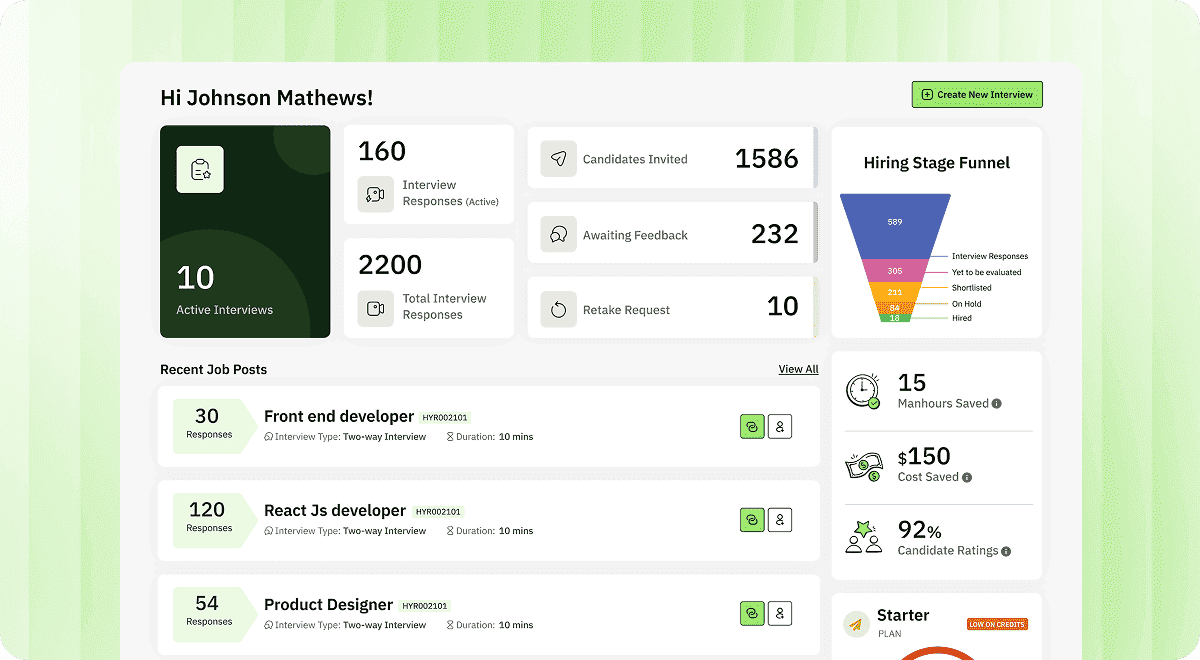
Hyring's interface and support infrastructure are more accessible for recruiting teams. When comparing Hyring vs Rootle AI on day-to-day usability, faster ramp time means faster results.
Candidate Experience
Hyring
Hyring gives candidates clear instructions, predictable interview formats, and a consistent flow whether they are completing a one-way video, a live two-way session, a phone screen, or a coding assessment. Proctoring is active in the background, calibrated to minimize unnecessary friction.
Rootle AI
Rootle AI candidates interact via a phone call. The experience is conversational and voice-based. Candidates in multilingual contexts may find this accessible, particularly if video or text-based formats feel less familiar.
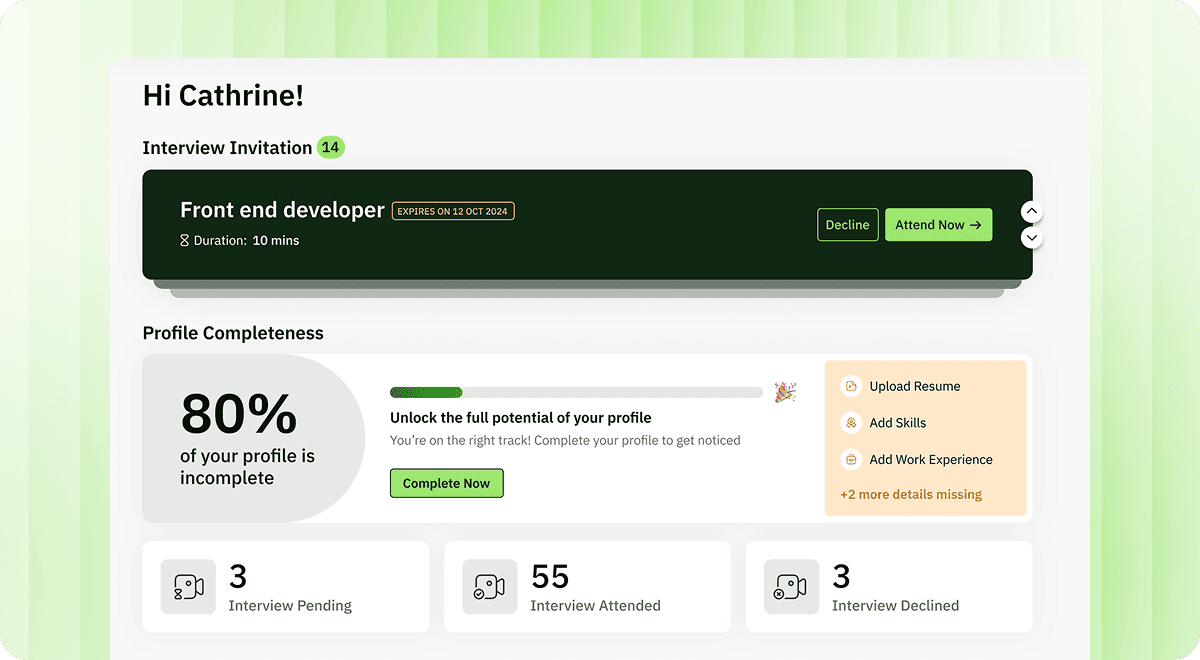
For standard hiring pipelines across varied roles, Hyring's candidate experience is more structured, more transparent, and covers more formats. It is the better choice for organizations where consistency in candidate experience matters.
Security & Compliance
Data Protection
Hyring
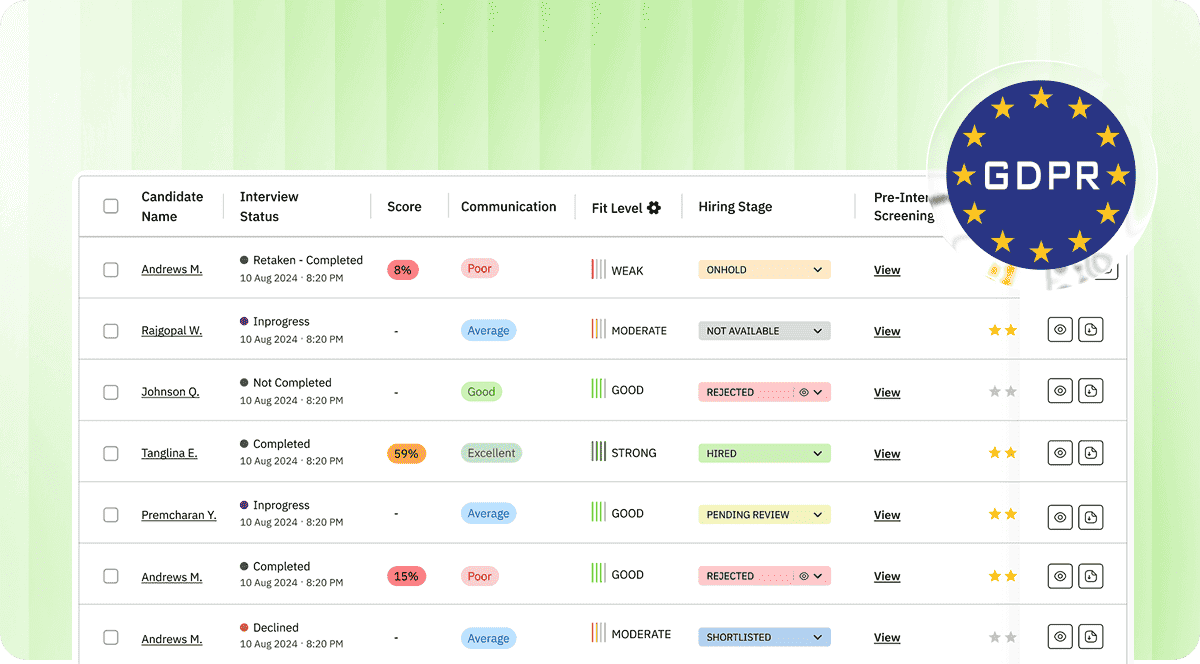
Hyring is enterprise compliant and documents its data handling practices through a public trust center and help center articles.
Rootle AI
Rootle AI does not publicly list security certifications.
Compliance & Certifications
Hyring
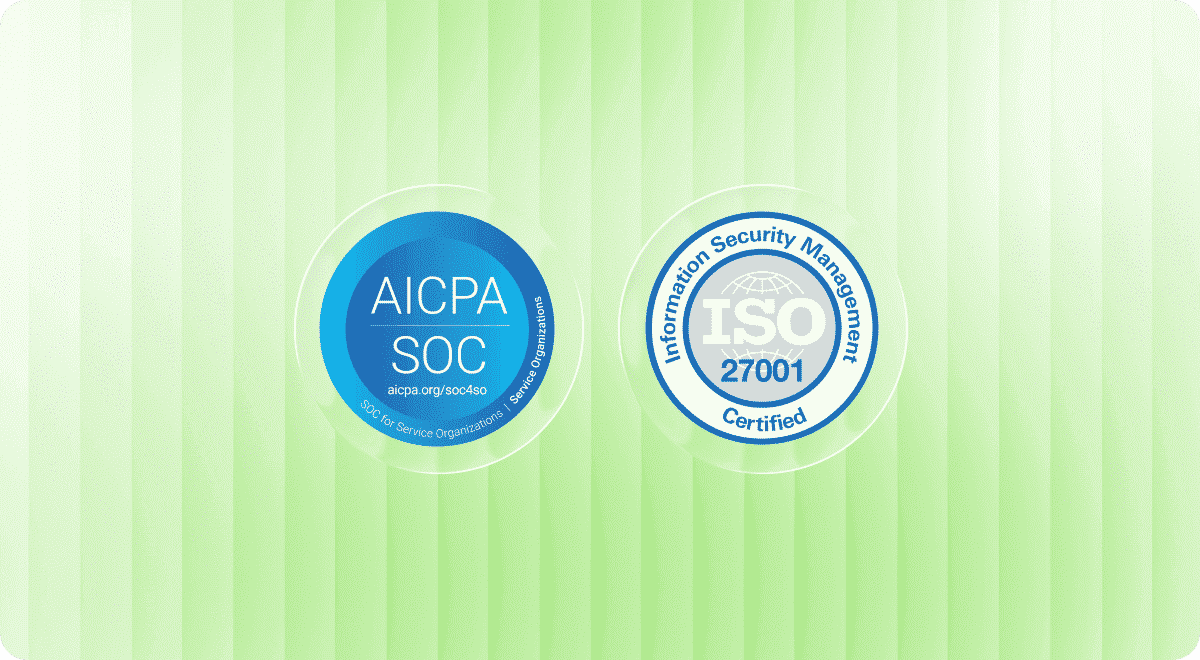
Hyring holds SOC2 and ISO 27001 certifications, for regulated industries like healthcare hiring or financial services, these certifications are often a non-negotiable part of vendor evaluation.
Rootle AI
Rootle AI's SOC2 or ISO 27001 status is not publicly documented at the time of this comparison. For procurement teams specifically evaluating Rootle AI alternatives on compliance grounds, this is worth noting.
Candidate Privacy
Hyring
Hyring covers data retention, reporting, and candidate transparency in its help center.
Rootle AI
Rootle AI's privacy details are not publicly detailed beyond what is covered in standard platform terms.
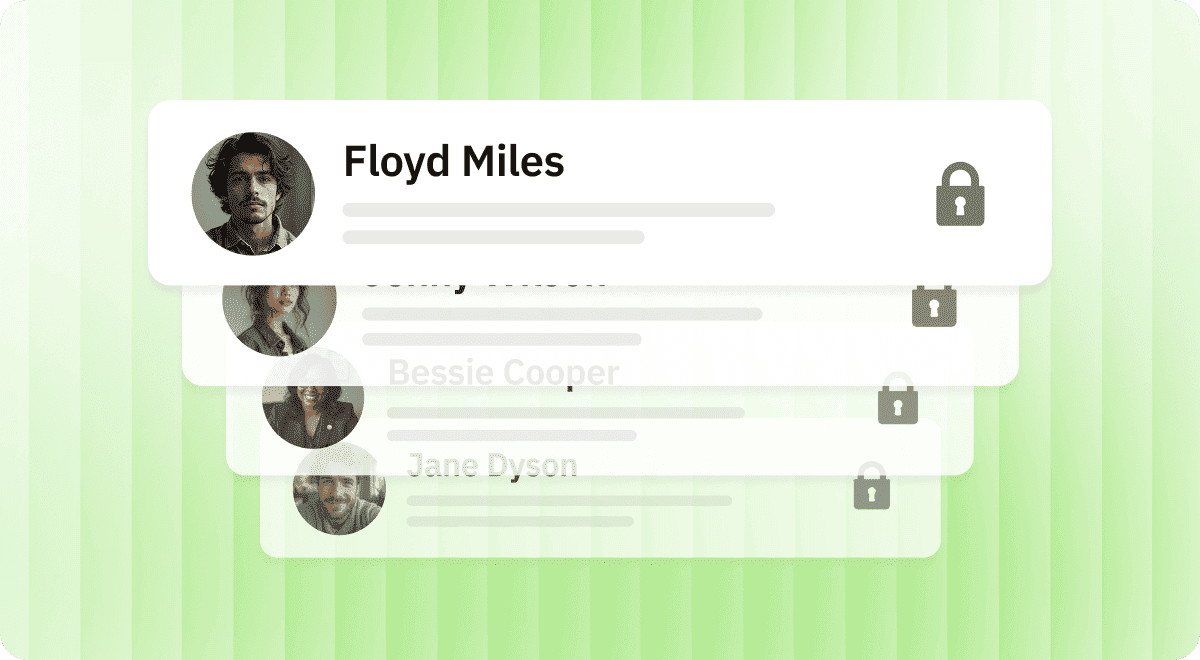
For organizations running hiring in regulated or compliance-heavy environments, Hyring is the more verifiable choice. The absence of publicly stated security certifications for Rootle AI is a gap that enterprise procurement teams will notice.
Cost & Pricing Structure
Pricing model
Hyring uses a usage-based pricing model tied to interview volume. Teams pay based on screening activity, not seat count. Costs scale with actual hiring activity rather than a fixed monthly fee, regardless of usage.
Starting at approximately $1 per interview for larger volumes. Finance teams can estimate cost per hire based on interview volume and funnel design, which makes budgeting predictable.
Rootle AI is not priced per interview. Its entry point is a free tier with the first 100 calls included. Beyond that, pricing is not published in per-interview terms, and the cost structure for larger enterprise deployments is not publicly detailed.
Transparency
You can review Hyring's pricing in full and request a consultation at Hyring Subscription Plans. For teams evaluating Rootle AI alternatives at scale, Hyring's usage-based model offers cost clarity that is rarely matched.
For teams that need to tie recruitment costs to actual screening activity, Rootle AI's pricing structure is less transparent than Hyring's.
Pricing model
Hyring uses a usage-based pricing model tied to interview volume. Teams pay based on screening activity, not seat count. Costs scale with actual hiring activity rather than a fixed monthly fee, regardless of usage.
Starting at approximately $1 per interview for larger volumes. Finance teams can estimate cost per hire based on interview volume and funnel design, which makes budgeting predictable.
Rootle AI is not priced per interview. Its entry point is a free tier with the first 100 calls included. Beyond that, pricing is not published in per-interview terms, and the cost structure for larger enterprise deployments is not publicly detailed.
Transparency
You can review Hyring's pricing in full and request a consultation at Hyring Subscription Plans. For teams evaluating Rootle AI alternatives at scale, Hyring's usage-based model offers cost clarity that is rarely matched.
For teams that need to tie recruitment costs to actual screening activity, Rootle AI's pricing structure is less transparent than Hyring's.
Conclusion: Which is the Best AI Interviewer - Rootle AI or Hyring?

Why Hyring is Stronger for Recruiting Teams
For most recruiting teams, Hyring is the stronger platform when the goal is running structured, scalable, and auditable hiring workflows. Recruiter-facing dashboards, role-based assessment templates across video, phone, and coding, transparent proctoring, public ATS integration documentation, and usage-based pricing that scales with actual hiring activity.
Choose Hyring if:
you run high-volume or role-varied hiring and need video, coding, proctoring, structured scoring, and seamless ATS handoff.
Why Rootle AI is Stronger for Voice-First Teams
Rootle AI does phone-based voice screening well. Multilingual outreach, automated calling, and conversational question flow are genuine strengths. But the platform does not publicly offer video interviews, coding assessments, resume screening, documented proctoring, or verified enterprise security certifications. These are not optional features for most hiring teams.
Rootle AI is stronger for: automated phone outreach, multilingual voice-based pre-screening, and customer support call automation.
Choose Rootle AI if:
your primary requirement is automated phone-based candidate outreach and multilingual voice pre-screening, or you are automating customer support calls.
Information is sourced from publicly available records and is subject to change. This comparison does not constitute a guarantee of current service offerings or specifications.
Frequently Asked Questions
Can Hyring or Rootle AI replace human recruiters?
No. Hyring is designed to augment recruiters, not replace them. Screening is automated, but scoring, review, and final decisions stay with humans. Rootle AI automates the outbound call and initial voice conversation, but documented human handoff and override workflows are not a prominent part of its public product positioning.
For organizations that want AI support without removing recruiter accountability, Hyring is the safer and more practical option.
Will Hyring or Rootle AI work with my ATS, like Greenhouse or Workday?
Hyring integrates directly into recruiter workflows with a public API that connects to Greenhouse, Workday, Lever, Zoho Recruit, iCIMS, Workable, Ashby, SmartRecruiters, BambooHR, JazzHR, Bullhorn, and SAP, among others.
Rootle AI offers CRM and ATS-type integrations along with API and webhook access on its Scale plan. The depth and documentation of these integrations are less publicly detailed than Hyring's.
For ATS-first recruiting teams, Hyring integrates more directly and with better documentation.
Which integrates better with LinkedIn Recruiter - Hyring or Rootle AI?
Hyring fits naturally into LinkedIn Recruiter-led hiring workflows. Candidates sourced via LinkedIn can move directly into a Hyring screening flow without manual scheduling steps. Rootle AI focuses on outbound voice calling rather than receiving candidates from sourcing tools.
If LinkedIn Recruiter is your primary sourcing channel, Hyring is the stronger complement.
Rootle AI vs Hyring: Which supports non-English interviews?
Both platforms support multilingual hiring. Hyring handles multilingual video, phone, and text-based interviews across more than 10 languages. Rootle AI positions multilingual voice conversations as a core product capability.
For voice-only multilingual outreach, both platforms have relevant capabilities. For full multilingual screening across video, phone, and assessment formats, Hyring is the broader solution. Teams looking for an alternative to Rootle AI that handles global hiring end-to-end will find Hyring better suited.
Is Hyring or Rootle AI better for screening software engineers versus sales roles?
Hyring supports both. Developers go through the AI Coding Interviewer with technical assessments. Sales and customer-facing roles go through video or phone interviews with communication scoring. Rootle AI handles phone pre-screening for both roles, but does not offer documented coding assessments or structured technical evaluations.
For most day-to-day hiring roles, Hyring is the more practical option.
Stop Screening Manually.
Start Hiring Smarter with Hyring.
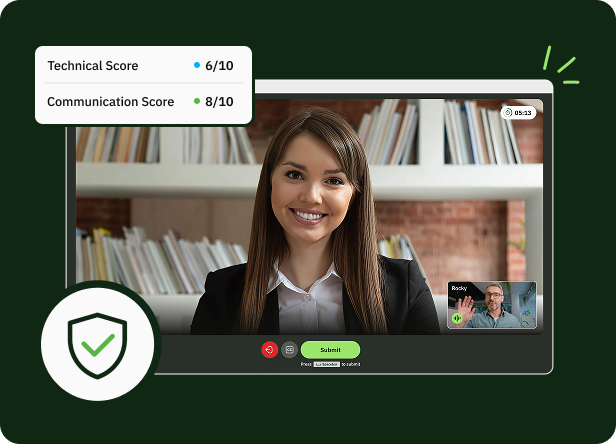
If this comparison has shown you anything, it's that Hyring is built for the way recruiting teams actually work — fast-paced, high-volume, and demanding real accountability at every step. From AI video and phone screening to built-in proctoring and ATS sync, Hyring gives your team the tools to move faster without cutting corners.
See why hiring teams at scaling companies choose Hyring over Rootle AI.
Compare with other platforms