I have been in several meetings with senior HR executives, the very people responsible for managing a company with more than 50,000 employees.
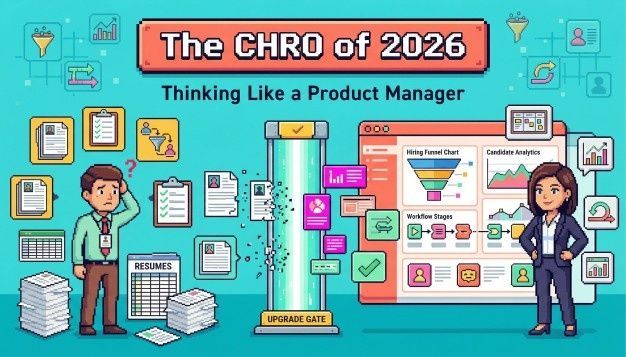
And after a few of these talks, something became apparent. The best CHROs do not look at themselves as HR executives. Instead, they look at themselves as product managers.
After reading this, you’re probably thinking, "This must be a tech summit". But no, this is a must-read for any HR professional.
The Vendor Problem Nobody Else Is Discussing
Consider this scenario. Your team finds a problem with the recruitment process where candidates ghost the company due to a flaky email system. The solution is simple enough: a more streamlined way to handle interviews.
But what happens after?
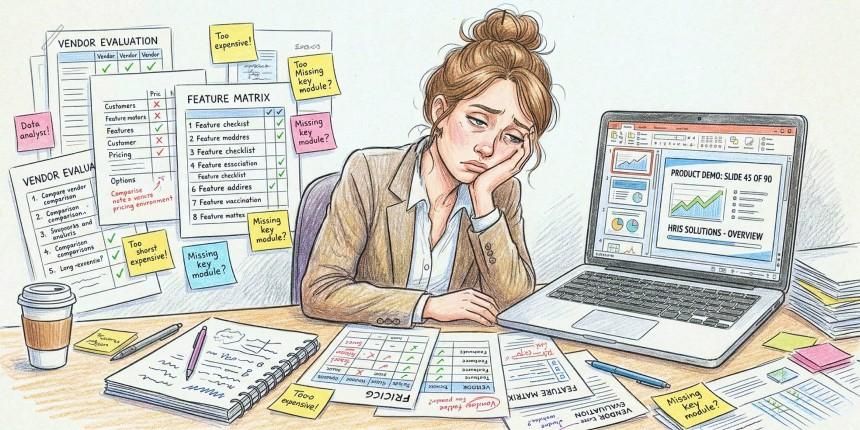
Well, first, you draft a list of requirements. Research various potential vendors. Then you watch countless demos, each one starting to seem identical to the others. Procurement, legal, and IT security come into the equation. Six months later, you have yourself a product that only solves around 70% of your initial problem and costs much more than expected, while half of your team won't even touch it since it doesn't work well with their workflow.
Getting Déjà vu?
According to the findings from the latest HR technology survey by Gartner, 47% of HR professionals think that their current tech stack isn't meeting their business demands anymore. And on average, there are between 10 to 15 different hiring tools being used by an enterprise HR department at any one time.
This is the vendor's dilemma, and it's destroying HR innovation at many companies.
So What Does 'Thinking Like a Product Manager' Actually Mean?
Product managers don't simply wait around for someone to provide a solution anymore. Instead, they immerse themselves in the problem, brainstorm solutions, build a prototype, present it to actual end users, and refine it based on feedback received. This mindset focuses on results over process.
The fact is that HR leaders now have the ability to do precisely the same thing. With the help of AI, HR leaders can turn ideas into something tangible in just one afternoon. You don't need to know how to code. You don't even need an engineer on your team. All you need is to understand what problem you are trying to solve and run experiments.
Here's an example of exactly that:
At Hyring, we needed a way to see how well candidates did in our AI video interviews. We wanted more than just a pass or fail; we needed to know about their communication skills, technical knowledge, and if they fit our company culture. There was nothing available that met our needs.
But by thinking like a product manager, we created a solution. We listed what we needed for an AI tool, how our data was set up, what metrics we wanted on the dashboard, and how to filter the information. In less than an hour, we had our product, and it took just one more day for our recruiting team to start using it. This is what product thinking can do for your business today, no matter your budget.
The Skills That Are Actually Going to Matter
In the World Economic Forum’s Future of Jobs Report 2025, AI and Data Literacy are the fastest-growing skills needed today. This doesn't mean everyone has to learn coding.
It means thinking about how things work together. It’s about understanding the steps in a process and asking why something isn't working, instead of just asking who to call for help.
HR leaders who stand out in 2026 will spot problems in hiring and see them as quality issues. Instead of just saying hiring takes too long, they will find steps that can be automated. This new way of thinking leads to better results.
They will also test ideas first. Before spending a lot of money on a new resume screening tool, they will try it out to see if it really helps with hiring. They will keep getting feedback and improve their tools regularly.
What HR Leaders Are Already Building
This is not just a theory. HR leaders at big companies are creating tools that used to need whole teams to build just two years ago.
They are making:
- Pay calculators that fit their company’s needs, not just general ones.
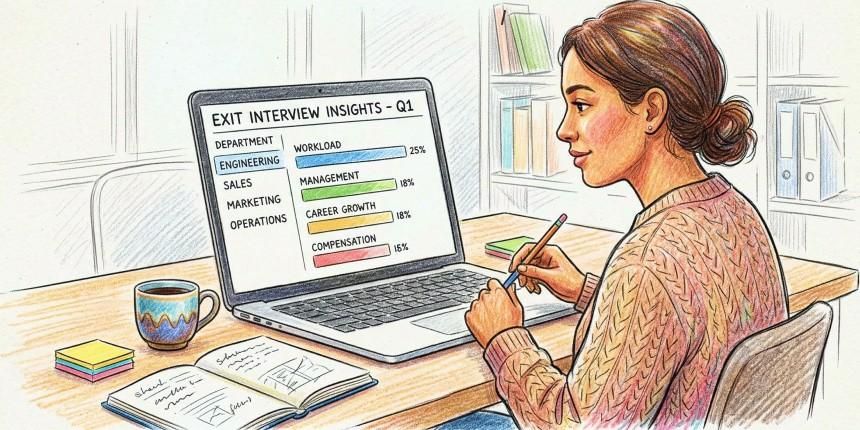
- Exit interview tools that find trends in many interviews and show which departments have issues.
- Interview scoring tools to keep scoring fair and consistent.
- Clear policy messages that turn long legal texts into easy emails for employees.
All of this is done by HR professionals in just days, not months.
Why This Matters for Your Career
Let me be clear. Saying "I am not a tech person" in 2026 will be as outdated as saying "I don’t use email" in 1998. You don’t have to be technical, but you need to be capable, and that means something different now.
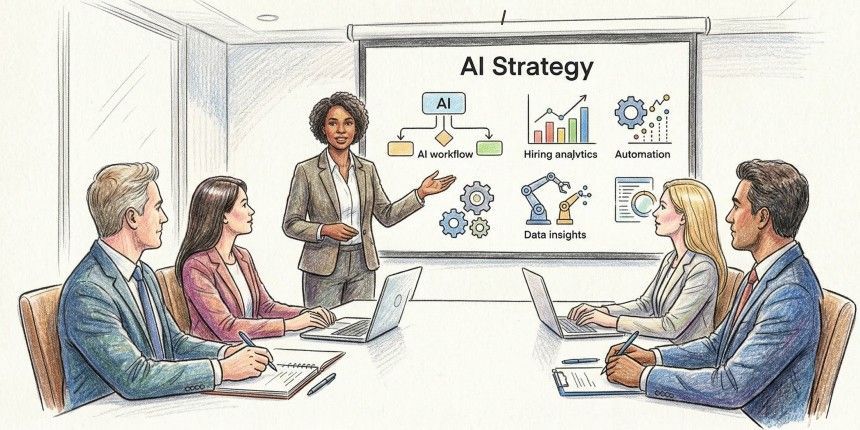
LinkedIn's research shows that mentions of AI skills in HR jobs are increasing fast. CHROs are now asked about their AI plans as much as about retention and diversity numbers. Those who can show a tool they created and how it improved team performance get a much better response from board members than those who just talk about tools they looked at.
After creating five AI-powered recruitment tools for Hyring, including video interviews and coding tests, I can say that the gap between being curious about AI and actually using it is smaller than it seems. You just need one afternoon, one problem to solve, and a real effort to create a solution.
Where Do You Start?
Pick one problem first. Find a common issue that happens every week and that you know something about. Don’t try to create everything at once. Instead, make a simple working product and show it to a few users. Watch how they use it, what they like, and what they don’t. Improve it once. That’s it.
The best HR leaders in 2026 won’t be those who make the most deals with software companies. They will be the ones who understand that the best HR tech is just about interaction and who start these interactions before their rivals.
Frequently Asked Questions
No, you don’t need to learn programming. You just need to be able to state a problem and explain what the solution should look like. Many HR managers who tried it were surprised at how quickly their problems were solved.
2. What's the real difference between buying software and building with AI?
Buying means trying to fit your problem to a ready-made solution. Developing means creating a tool that fits your business perfectly. Products from vendors are made for average companies. Your company is not average, right? Development also saves six months of time spent on buying, and can be done in just a few days.
3. How long does it actually take to build something useful?
If the problem is clear, a prototype can be ready in an hour. For a working tool, a couple of days is usually enough. It may sound hard to believe, but compared to six months spent picking a vendor product, it’s clear.
4. What kinds of HR problems work best for this approach?
It works for any repetitive, data-related process that is done manually or with a basic tool. Analyzing exit interviews, scoring candidates, checking pay, and onboarding are all good starting points. Any manual and routine process in your organization is a good place to begin.
5. Will this still matter as AI keeps changing?
No, it will actually become more important over time. The skills you learn from this approach don’t depend on a specific tool but on your ability to understand a problem, plan a solution, and get results. This will only improve over time.